Charleston plates are up, seafood and beef pushing the bill
Charleston food prices rose 7.5 percent this spring. Upper King BBQ and French Quarter seafood saw the biggest jumps, with beef and diesel cited as key pressure
By Foodie Pundit Newsroom - Published - Updated - Section: Food Prices
Key points
- Charleston's typical plate is $27.39, up 7.5 percent citywide, outpacing the national 5.5 percent increase.
- The steepest increases are in Upper King Lowcountry BBQ, $32.40 up 15.8 percent, and French Quarter surf-and-turf and seafood plates, up to 11.8 percent.
- Beef price pressure and massive diesel spikes are repeatedly cited as drivers for the highest increases; retail ground beef is noted at $2.81 per pound in the brief.
- Tourism and a 10.7 percent jump in gas for visitors help keep French Quarter dinner prices at a premium.
- Lower-cost neighborhoods still moved up, but more slowly; Capitol Street deli and coffee readings rose 5.5 to 7.2 percent.
- A NOAA notice of public meetings for the Western Pacific Council is part of the policy backdrop for seafood, relevant to market signals and fleet behavior, but it is not a direct price setter.
At a table on Upper King, a Lowcountry BBQ plate is listed at $32.40, up 15.8 percent from a year ago, while the typical plate across Charleston checks in at $27.39, a citywide 7.5 percent increase. Walk toward the French Quarter and a number of seafood and coastal Lowcountry plates cluster around $28.50 to $32.40, each carrying jumps from 6.2 to 11.8 percent. On Capitol Street lunch remains relatively inexpensive, at least compared with dinner, with a deli sandwich at $10.25 and a burger at $16.50, yet those numbers are also higher than last spring.
Charleston is outpacing national food inflation this spring. The national movement for comparison is plus 5.5 percent, while Charleston is plus 7.5 percent. That two percentage point gap is not uniform across the city.
The steepest local increases sit where the cost pressures in the notes intersect: premium beef, diesel and gasoline, and input costs like butter and fertilizer. The calmest pockets are breakfast counters and some neighborhood delis, though even there shoppers are paying more than they did last year.
The single steepest category in the reading is Lowcountry BBQ on Upper King, priced at $32.40 and up 15.8 percent. That category sits at the confluence of two acute pressures that show up in the brief categories. Notes for Charleston mention that sourcing quality brisket is tough right now because retail ground beef prices are up, pushing premium cuts even higher.
Another note points to a 33 percent spike in diesel for shipping. Premium barbecue, especially plates that rely on brisket and ribs, is therefore being squeezed on both protein cost and freight, and that combination lands squarely on the High Upper King price.
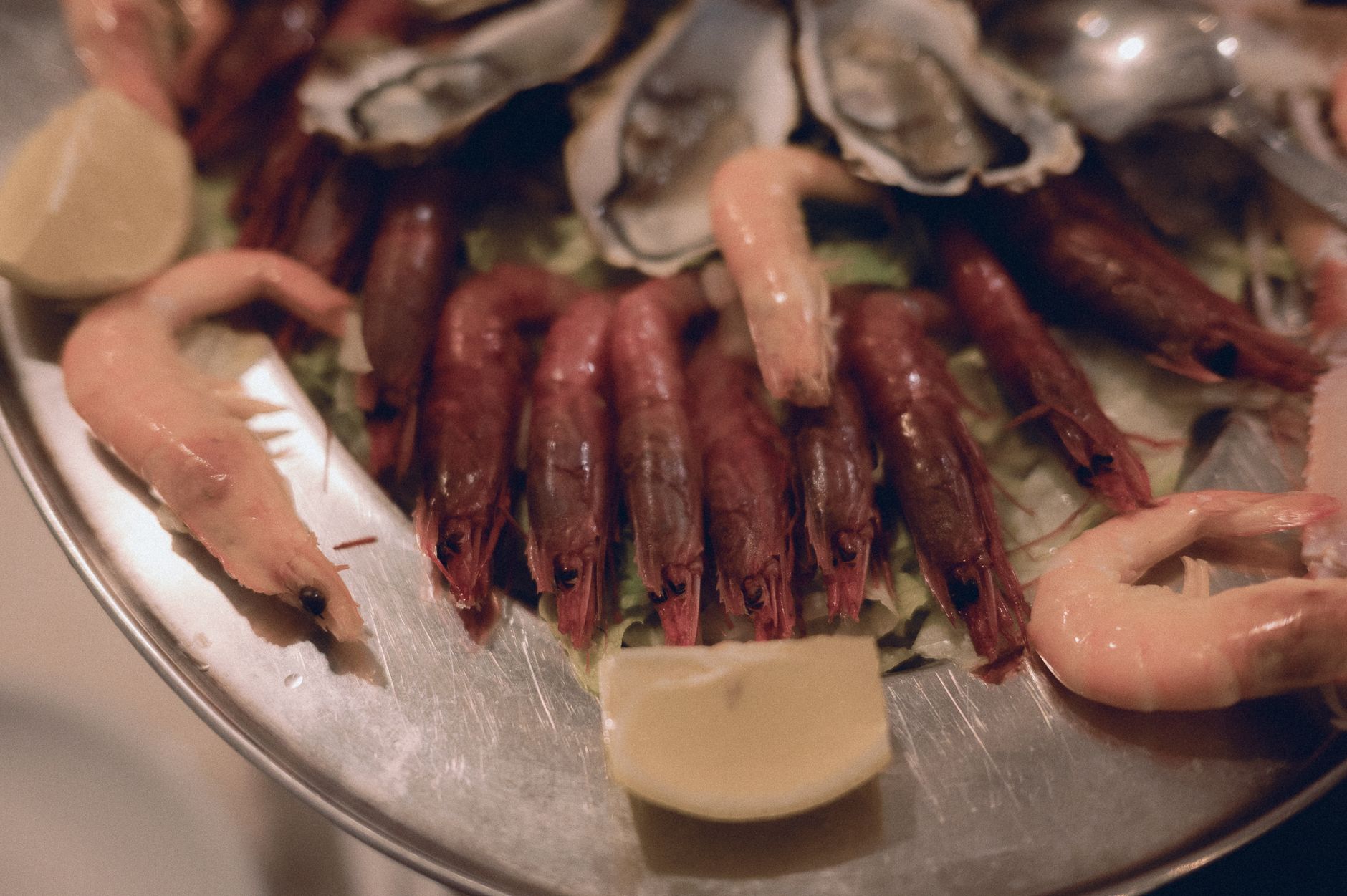
Close behind are the high-end seafood and surf-and-turf categories in the French Quarter. A Lowcountry and Seafood plate at $32.40 is up 11.8 percent, and a Seafood plate at $28.50 is up 9.2 percent. The reporting calls out two linked dynamics.
First, a 15 percent surge in beef used in surf-and-turf menus is pushing the bill higher when surf meets turf. Second, massive spikes in diesel mean it costs more for boats to go out and bring back the fresh catch. Those two trends together explain why French Quarter menus that rely on both fresh ocean catch and premium land proteins show some of the biggest increases.
Steakhouses and barbecue outside of the Upper King anchor are also in the double digits. A Capitol Street barbecue plate is recorded at $18.50, up 11.4 percent. A steakhouse plate on Upper King shows at $32.00, up 11.2 percent, and a second BBQ reading on Capitol Street is $21.50, up 8.9 percent.
Notes repeat a common theme: retail ground beef is now higher, with one note referencing retail ground beef at $2.81 per pound, and beef overall is rising faster than many other proteins. Where menus center on beef, the pain is more visible.
At the other end of the spectrum are the categories that have nudged upward but at more modest rates. Coffee and cafes on Capitol Street sit at $12.20, up 5.5 percent, matching the national movement used for comparison. Deli and bagels are $10.25, up 5.6 percent.
Farm-to-table and Indian bistros are sitting in the mid single digits, with farm-to-table at $26.50 up 6.8 percent, and Indian at $21.50 up 6.4 percent. Those categories show how some cost pressures are diffuse rather than concentrated. Notes for coffee point to milk prices up by 7 percent, which lifts a latte even when coffee bean prices are stable.
Deli prices reflect rising bread costs and an 8 percent hike in beef for pastrami. Farm-to-table menus are starting to show rising fertilizer costs for local growers. All of these moves add up, even when they feel smaller on their own.
The single policy record in play is a notice of public meetings from the Western Pacific Fishery Management Council, filed by the Commerce Department and the National Oceanic and Atmospheric Administration, dated August 24, 2026. That record is an administrative item announcing public meetings. It is not a price change, nor a subsidy, nor a direct allotment of funds. What it does, however, is signal an engagement with regional fishery management under NOAA's authority.
What that record actually touches on a plate in Charleston requires a careful read. The Western Pacific Council has statutory responsibility for fisheries in U.S. waters of the western Pacific. Charleston is on the Atlantic seaboard.
On the face of it, a notice of meetings from a western Pacific council does not directly set catch limits for the species landed off South Carolina. Yet NOAA and the fishery councils are part of a national governance architecture for seafood that flows across regions. National science, data, and regulatory decisions influence markets, and markets are connected.
The Charleston brief identifies diesel spikes for boats and fuel surcharges as a central cost driver for seafood categories. NOAA meetings, council decisions, and the public conversation they host can touch the cost structure of fleets in three distinct but indirect ways. First, council meetings are where scientific updates and management measures get aired; those updates can affect how fleet operators plan seasons and trips.
Second, regulatory adjustments discussed at those meetings can influence compliance costs and reporting requirements, which in turn affect operators across the country through shared markets and distribution chains. Third, broader federal engagement on fisheries often shapes consumer expectations and market signaling, for example by producing official catch statistics that buyers and distributors track when sourcing product.
Sources and methodology
Reported from the public datasets below.
More from the Foodie Pundit Newsroom
- The Secret Life of Salad Greens: How Your Humble Arugula Fights Its Own Battles
- Tampa on the Map, Table by Table
- The Tip Is Dead, Long Live The Service Charge
- The End of the Robot Cashier? Rhode Island's New Law Hits Automation Hard
- Understanding GLP-1 Medications: How Semaglutide Works, Who Qualifies, and What Patients Need to Know