Chick-fil-A Tests Sweet and Spicy Hawaiian Roll Sandwich in Select Regional Markets
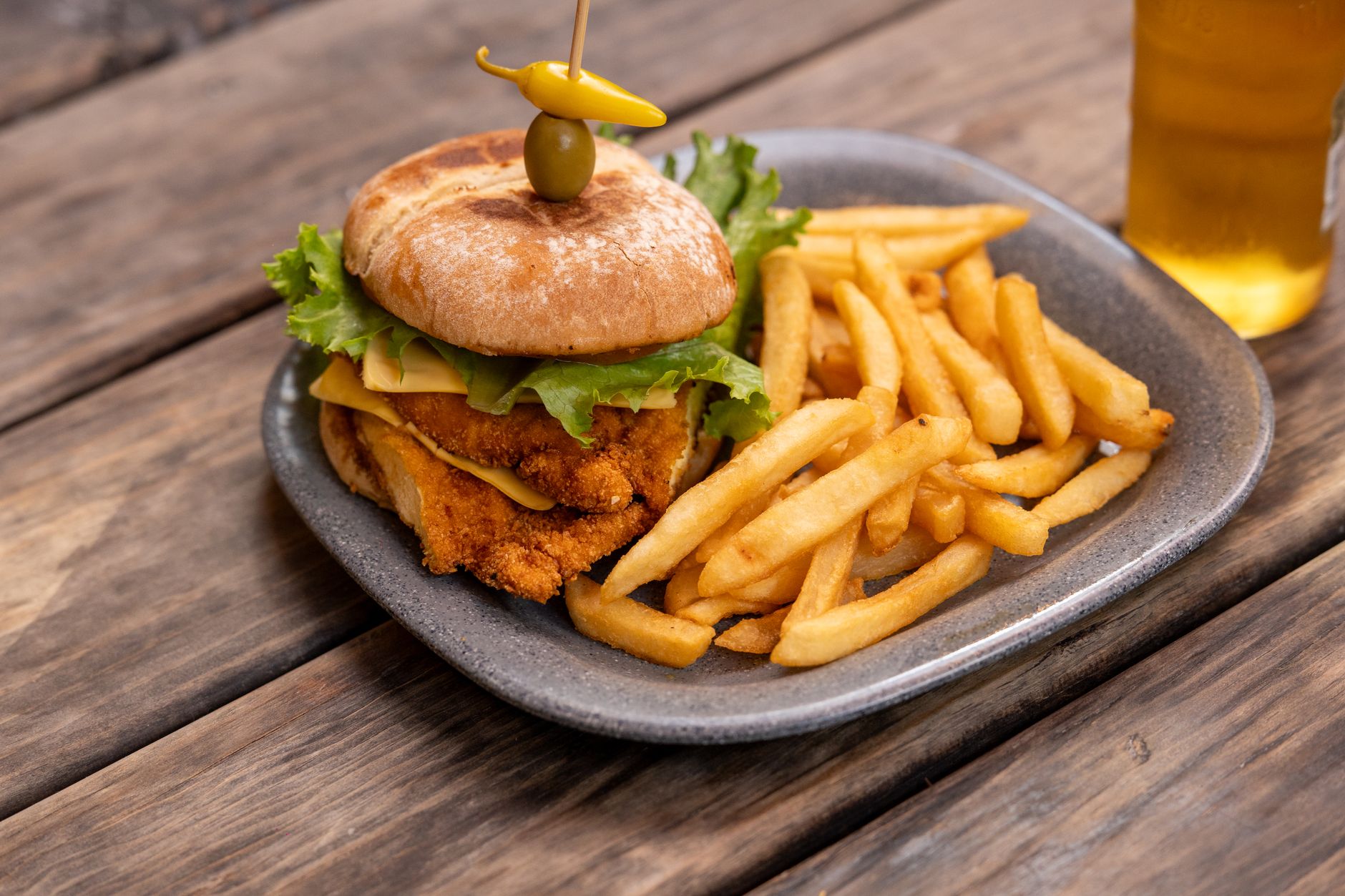
Chick-fil-A is testing a new sweet and spicy chicken sandwich served on a Hawaiian roll in select regional markets.
By Foodie Pundit Newsroom - Published - Section: Restaurants
Key points
- Chick-fil-A is testing a spicy chicken sandwich served on a sweet Hawaiian roll in select test cities.
- The test combines sweet and spicy flavor profiles to capitalize on growing consumer preferences for swicy foods.
- Regional testing helps the chain evaluate supply chain needs and drive-thru speeds before a potential national rollout.
- Co-branding with King's Hawaiian leverages familiar consumer brands to increase trial rates.
Chick-fil-A is quietly testing a major variation of its flagship chicken sandwich in limited markets across North America. The Atlanta-based fast food giant has introduced a new menu item that combines fried chicken with a Hawaiian roll bun and a blend of sweet and spicy toppings. This strategic trial reflects a broader trend among quick service restaurant chains seeking to drive foot traffic through high-profile, localized product tests.
The testing strategy allows Chick-fil-A to measure customer demand and operational feasibility before deciding on a national launch. Early reports published by USA Today highlight that the brand is targeting specific urban and suburban markets for this limited release. Consumers in these regions are serving as the initial benchmark for a menu innovation that leverages established consumer trends in sweet and savory flavor pairings.
The test item features the brand's signature hand-breaded chicken breast fillet served on a King's Hawaiian roll. To complement the sweetness of the bread, the chain has paired the fillet with a spicy pepper sauce, sliced jalapenos, and a layer of pickled ingredients. This combination aims to balance heat with sugar, a flavor profile that has seen rapid growth across the quick service sector over the past three years.
By using an established partner brand like King's Hawaiian, Chick-fil-A is leaning on cross-brand familiarity to lower the barrier for customer trial. Co-branded items often generate higher immediate interest because consumers already trust the quality of the secondary component. Furthermore, the limited nature of the release creates a sense of urgency among loyal brand followers, driving quick adoption in test cities.
Large restaurant chains rarely launch a new product nationally without extensive regional testing. Introducing a new bun type and specialized sauces requires changes to kitchen supply chains, employee training routines, and food preparation workflows. By restricting the launch to select cities, corporate culinary teams can evaluate how smoothly kitchen staff handle the extra steps during peak rush hours.
Data collected during these regional runs provides crucial feedback on profitability and customer retention. Operators monitor whether the new sandwich attracts new diners or simply shifts existing customers away from higher-margin core items. USA Today noted that the current rollout focuses on markets known for strong quick service competition, providing a clear picture of how the item performs against rival offerings.
The quick service industry has seen intense competition within the fried chicken category since 2019. Operators are constantly searching for new flavor profiles to differentiate their menus from competitors. While traditional spicy chicken sandwiches relied primarily on cayenne or hot sauce infusions, recent trends favor nuanced flavor profiles that combine chili heat with honey, fruit, or sweet baked goods.
Sweet and spicy profiles, often referred to in the industry as swicy, have moved from niche culinary concepts into mainstream fast food menus. The addition of a Hawaiian roll framework allows Chick-fil-A to tap into breakfast and lunch preferences simultaneously. Soft, pillowy rolls have proven popular in casual dining and food truck culture, making them a logical addition to quick service menus looking to elevate standard sandwich offerings.
For local franchise operators, participating in a test market presents both opportunities and logistical challenges. Adding a unique bread product requires dedicated storage space in kitchens that are already optimized for maximum efficiency. Hawaiian rolls tend to have a different shelf life and handling requirement compared to standard bun varieties, necessitating strict inventory control to prevent food waste.
Training store staff to assemble the new sandwich correctly without slowing down drive-thru times is another critical metric. Drive-thru efficiency remains the lifeblood of Chick-fil-A's operating model, generating the majority of revenue at most locations. Any menu item that adds substantial time to ticket fulfillment risks damaging overall throughput, regardless of how popular the flavor profile might be with consumers.
If you live in one of the designated test cities, you have the opportunity to sample a menu item that may not reach the rest of the country for months, if ever. The limited nature of regional tests means availability can fluctuate based on daily inventory levels at individual restaurants. Checking the company's mobile app before visiting is the most reliable way to confirm whether your local store is participating in the trial.
For consumers outside the test regions, the rollout serves as an indicator of where fast food flavor trends are heading in the coming year. If the sweet and spicy Hawaiian roll concept meets sales and operational targets, a broader regional or nationwide launch typically follows within twelve to eighteen months. In the meantime, the trial highlights how major chains use limited releases to keep their menus fresh without distracting from core operations.
Sources and methodology
Reported from the public datasets below.
More from the Foodie Pundit Newsroom
- Lazy Pasta Salad Is Winning the Grocery Budget War
- Kroger Raises Store Worker Pay As Food Retailers Navigate Elevated Inflation
- Grocery Inflation Persists as Retail Food Costs Continue Upward Climb
- Big Box Retailers Revamp Digital Apps and Value Lines to Capture Gen Z Grocery Spending
- Big Box Giants Revamp Apps and Prices to Capture Gen Z Grocery Spending