Chipotle Explores Sweet Quesadilla Menu Expansion to Boost Fast Casual Sales
Chipotle leverages its existing tortilla presses to enter the high-margin dessert market with a warm sweet quesadilla test.
By Foodie Pundit Newsroom - Published - Updated - Section: Desserts Snacks
Key points
- Chipotle is testing a sweet dessert quesadilla that utilizes existing kitchen equipment and assembly line operations.
- The move aims to capture high-margin dessert sales without slowing down line throughput or increasing labor complexity.
- Using existing ingredients like flour tortillas keeps inventory additions minimal for regional supply chains.
- If successful, the sweet item could boost average check sizes and drive off-peak afternoon foot traffic.
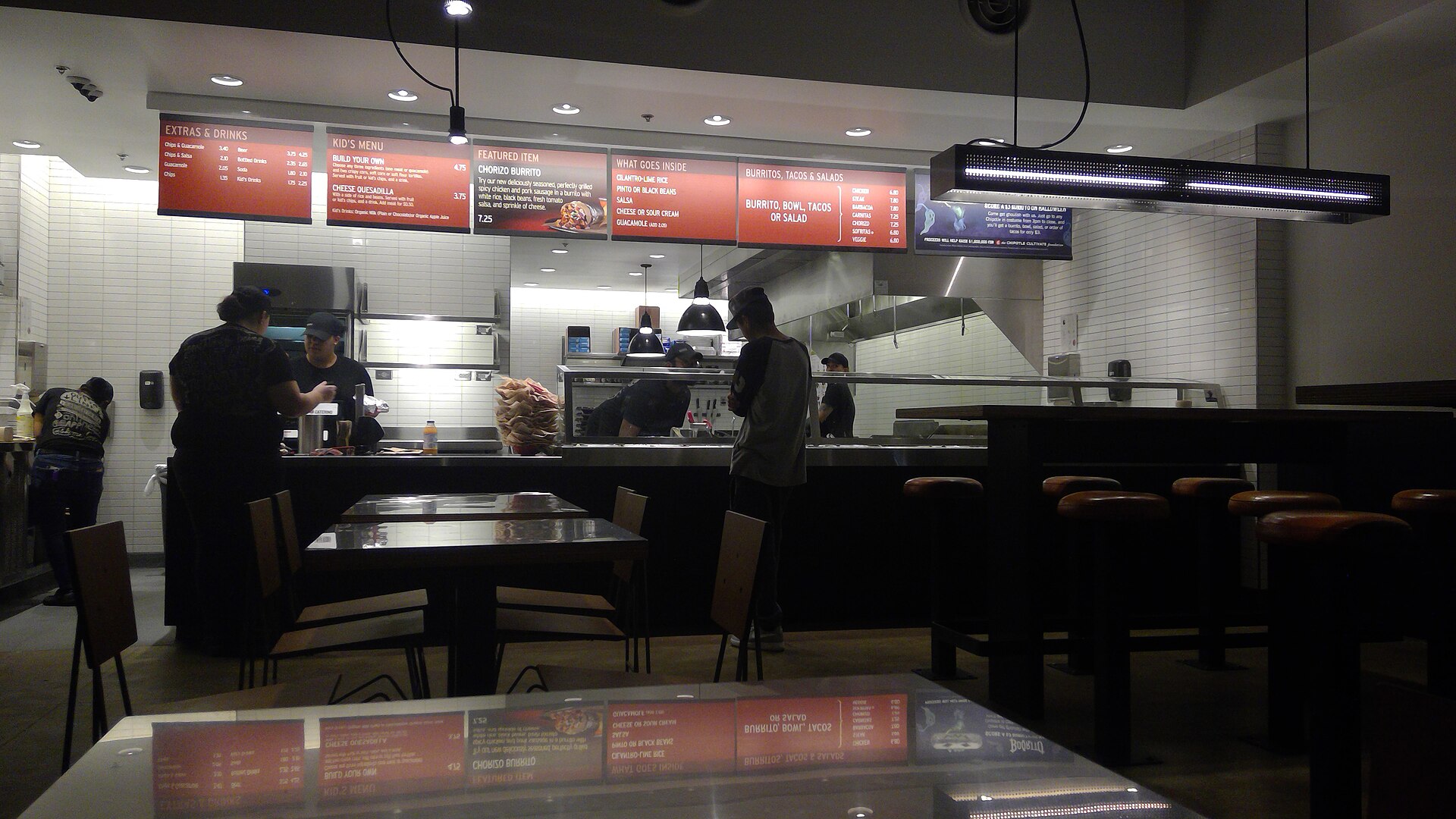
Fast casual titan Chipotle Mexican Grill is testing a major shift in its menu strategy by exploring sweet items built directly on its existing assembly line infrastructure. According to reporting from Mashed, the chain has begun testing a dessert quesadilla concept that repurposes its specialized tortilla presses and basic store ingredients to deliver a warm, sweet end to a meal. This development marks a rare departure from the company's historically minimalist approach to post-entree offerings.
For decades, Chipotle built its entire operational model around speed, simplicity, and limited menu clutter. Unlike legacy fast food competitors that maintain extensive dessert menus featuring soft-serve machines, pie fryers, or dedicated bakery cases, Chipotle focused almost exclusively on customized savory bowls, burritos, and tacos. Bringing a sweet item into the fold requires balancing consumer demand for indulgence against the strict timing metrics that govern fast casual kitchen performance.
The mechanics behind Chipotle's sweet quesadilla highlight a clever approach to restaurant operations. Rather than investing in new capital equipment, the chain utilizes the high-temp specialized quesadilla presses that were rolled out globally just a few years ago. By spreading a sweet filling such as chocolate, cinnamon sugar, or fruit preserves inside a folded flour tortilla and running it through the existing press, line crew members can produce a consistent hot dessert in less than forty seconds.
This approach minimizes the learning curve for front-line workers while keeping equipment costs virtually non-existent. In the fast casual sector, introducing items that require unique equipment often leads to maintenance headaches and slow service times. Utilizing established hardware ensures that peak hour throughput remains intact while expanding the average guest check total through add-on sales.
Historically, fast casual dining has struggled to capture the lucrative dessert market enjoyed by casual dining chains and quick-service drive-thrus. Most fast casual patrons view their visits as quick lunch or dinner stops focused on protein and fresh ingredients. However, menu engineering studies reveal that introducing portable, low-cost sweet items can significantly increase overall ticket sizes without adding significant labor overhead.
Mashed reports that consumer chatter around the limited market testing has been overwhelmingly positive, driven by social media trends that favor mashup food concepts. Sweet quesadillas leverage a familiar format that feels both comforting and novel to younger consumers who dominate digital order channels. If the test yields high adoption rates, it could set a precedent for other fast casual brands looking to monetize the end of the customer journey.
From a supply chain perspective, a sweet quesadilla fits cleanly into Chipotle's existing logistics network. The base components, primarily flour tortillas and butter or oil for the press, are already present in every kitchen across North America. Sourcing stable dessert fillings, such as chocolate chips, cinnamon blends, or fruit spreads, requires adding only one or two stock keeping units to regional distribution centers.
This lean inventory footprint translates directly to higher profit margins for franchisees and corporate stores alike. Dessert items generally carry some of the highest gross margins in the restaurant industry because the raw ingredient costs are low compared to high-protein savory items like steak or carnitas. Capitalizing on this margin differential allows the chain to boost profitability without raising baseline prices on primary entrees.
Chipotle's move comes at a time when major competitors in the Mexican fast casual segment are also experimenting with post-meal offerings. Chains like QDOBA and Del Taco have long offered traditional Mexican sweets such as churros or cinnamon twists, setting an expectation among consumers that sweet options should be available. By offering a dessert that feels distinct to its own preparation line, Chipotle aims to differentiate itself from traditional fast food rivals.
Furthermore, adding a warm sweet item creates new opportunities for late-night and mid-afternoon snack occasions. Fast casual operators increasingly rely on off-peak hours to drive incremental growth when traditional lunch and dinner rushes wind down. A sweet quesadilla pairing with a cold beverage provides a compelling reason for customers to visit during the three to five o'clock afternoon lull.
For the average diner, the arrival of a sweet quesadilla means a convenient end to a savory meal without needing a second stop at a bakery or ice cream shop. The item is designed to be highly portable, making it an easy add-on for mobile pickup orders and delivery meals. Because the dessert relies on the standard assembly line process, customers can expect rapid order fulfillment even during busy dining periods.
From a financial standpoint, these sweet items are typically priced as impulse add-ons, offering an affordable indulgence for consumers watching their overall dining spending. Diners in test markets will likely see varying flavor combinations as the brand refines the recipe before a potential nationwide rollout. As fast casual menus continue to evolve, consumers can expect more cross-utilization of standard kitchen items to create innovative sweet and savory combinations.
Sources and methodology
Reported from the public datasets below.