Commercial Bakeries Pivot to High-Margin Specialty Pastries Amid Rising Ingredient Costs
Rising commodity costs and evolving consumer tastes are driving commercial bakeries to ditch standard menu items for high-margin, visually striking global pastr
By Foodie Pundit Newsroom - Published - Updated - Section: Menu Trends
Key points
- Commercial bakeries are replacing traditional low-margin items with complex, high-value hybrid pastries to offset cocoa and butter inflation.
- Global flavor profiles like cardamom, yuzu, and toasted sesame are becoming mainstream staples in commercial pastry formulation.
- Visual dynamics and distinct cross-sections are driving menu development to capture organic digital marketing and foot traffic.
- Speed-scratch components and pre-laminated frozen doughs enable smaller bakeries to offer premium items without excessive labor costs.
The commercial baking sector is experiencing a significant structural shift as retail bakeries, food service operators, and industrial manufacturers pivot away from traditional heritage pastries toward high-margin, visually striking sweet offerings. Driven by changing consumer demographics and shifting wholesale commodity costs, commercial kitchens are re-engineering classic recipes to capture younger demographics who prioritize novel flavor profiles and premium visual presentation over standard bakery staples.
Industry tracking from Bake Magazine indicates that traditional standard items, such as basic chocolate brownies and classic drop cookies, are facing margin compression due to elevated butter and cocoa prices. In response, product development teams are leaning heavily into hybrid pastries, hyper-textured laminated doughs, and globally inspired flavor infusions that command higher retail price points and offer stronger profit margins.
Commercial bakeries operate in a high-overhead environment where ingredient inflation and labor expenses require continuous menu optimization. Retail consumers increasingly view bakery visits as affordable luxury experiences rather than simple grocery trips, prompting operators to alter their core product mix. This consumer behavior has forced commercial operations to retire low-margin, high-volume legacy products in favor of labor-efficient items that feature distinct visual appeal.
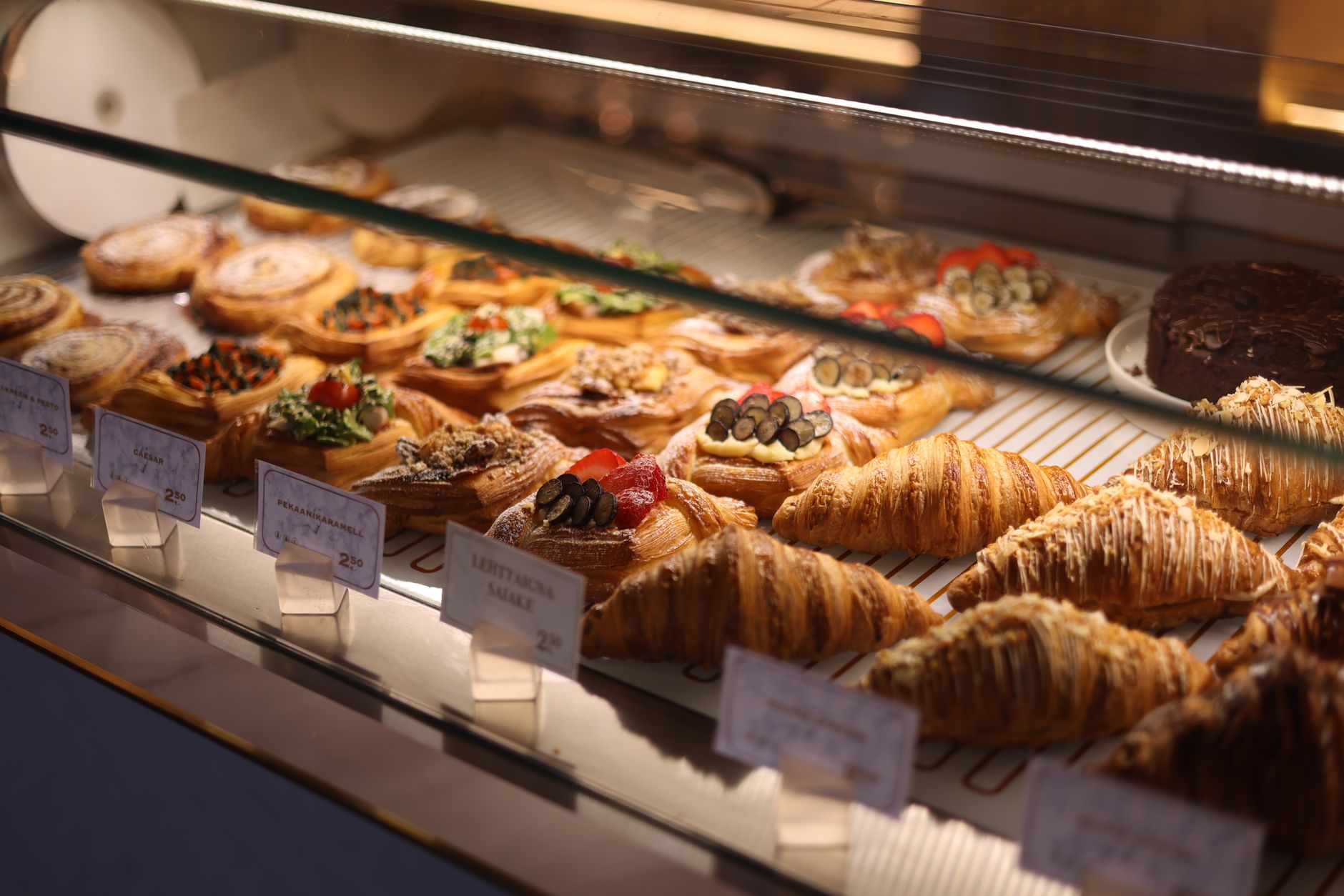
Laminated doughs, including specialized croissants and savory-sweet brioche variations, represent a central focus of this transition. By introducing distinct filling techniques, edible dustings, and unique structural geometry, bakeries can increase perceived value significantly. The labor required to produce these complex items is offset by price points that frequently double those of conventional sheet cakes or standard muffins.
Flavor development in the baking industry is shifting toward multi-tiered taste profiles that combine familiar comfort elements with distinct global accents. According to recent trade assessments by Bake Magazine, ingredients such as toasted sesame, cardamom, yuzu, and fermented fruit preserves are moving from specialized artisanal shops into broad commercial distribution channels. These additions allow bakeries to refresh traditional product lines without requiring massive overhauls of existing equipment or foundational formulations.
Texture plays an equally crucial role in modern pastry engineering. Product developers are intentionally building contrasting textural layers into single-serve baked goods, incorporating crispy outer shells with soft, oozing cores, or topping soft sponges with brittle crumbles. This focus on multi-sensory experiences directly caters to modern consumers who seek complex culinary interactions from everyday treats.
THE IMPACT OF VISUAL DYNAMICS AND DIGITAL MARKETING
Visual appeal has evolved from an incidental quality into a primary driver of wholesale and retail menu planning. Modern bakeries design products with clear, distinct cross-sections and vibrant color palettes specifically intended to stand out in digital marketing environments and glass display cases. A striking visual profile creates built-in organic promotion, driving foot traffic and reducing standard customer acquisition costs for independent and regional chain operators.
This structural requirement has fueled the rise of signature single-item bakeries and limited-time offer strategies. By focusing production capacity on a small handful of visually captivating, highly specialized pastries, operators streamline ingredient inventories and minimize prep labor while maintaining strong consumer interest.
OPERATIONAL ADAPTATION IN WHOLESALE MANUFACTURING
Industrial baking operations and commercial food distributors are adapting their supply lines to support this wholesale shift. Premade specialty fills, pre-laminated frozen dough blocks, and specialized glaze concentrates are seeing heightened demand from operators who lack the skilled labor required to produce complex pastries completely from scratch.
By leveraging high-quality speed-scratch components, smaller retail operations can offer modern, elevated menus without incurring unsustainable labor budgets. Commercial suppliers report that sales of value-added pastry bases are outstripping sales of traditional standardized flour mixes, reflecting a permanent realignment in how commercial baked goods are manufactured and assembled at scale.
While ingredient cost volatility remains an ongoing challenge across the supply chain, the commercial baking sector demonstrates remarkable resilience through product premiumization. Consumers continue to demonstrate a high willingness to absorb price increases on individual indulgence purchases, provided the product offers a superior sensory experience compared to standard mass-market alternatives.
Operators who successfully navigate this transition are balancing rigorous inventory control with creative flavor experimentation. As standard commodity items lose their pricing power, the future of retail bakery profitability clearly relies on innovative, high-concept offerings that transform routine snacks into premium dining events.
For retail consumers, this ongoing shift in commercial baking trends means a noticeable upgrade in the quality, diversity, and visual appeal of daily indulgence options. While shoppers may observe slightly higher prices at local bakeries and cafe display cases, those prices reflect higher-grade ingredients, complex labor techniques, and richer flavor profiles that far exceed traditional options.
For food service operators and independent bakers, adjusting product lines to emphasize high-margin, visually distinctive pastries provides a clear pathway to insulate margins against persistent inflation. Embracing flexible, elevated menu items allows businesses to optimize labor resources, capture younger demographics, and maintain strong customer loyalty in an increasingly competitive marketplace.