Costco's Viral Mango Smoothie Is More Than a Treat, It's a Masterclass in Retail Strategy
The wholesale giant's latest food court sensation has captivated social media, but the real story is what it reveals about Costco's powerful membership-driven
By Foodie Pundit Newsroom - Published - Updated - Section: Social Virality
Key points
- Costco's food court operates as a strategic loss leader, using items like the new Mango Smoothie to drive member loyalty and in-store traffic, which are more valuable than food-service profits.
- The viral success of the Mango Smoothie on platforms like TikTok is not accidental; it's fueled by a combination of the product's visual appeal, perceived health benefits, and Costco's mastery of manufactured hype through menu rotation.
- The smoothie's simple, high-quality ingredient list and low price point are enabled by Costco's immense supply chain power and a focus on extreme operational efficiency in its food courts.
- While seemingly just a trendy treat, the Mango Smoothie serves as a powerful case study in how physical retail can leverage inexpensive, high-visibility products to reinforce its core brand value proposition in the digital age.
A trip to Costco for many is a meticulously planned ritual, a stock-up mission guided by a list and a budget. Yet, for a growing number of members, the experience is now being shaped by an unplanned, yet powerful, force: viral social media trends. The latest and most potent example is the food court's new mango smoothie, a brightly colored, deceptively simple beverage that has dominated platforms like TikTok and Instagram, drawing both praise and debate.
This isn't just about a sweet treat, however. It's a testament to Costco's ability to navigate a volatile commodity market, particularly given that the latest federal data shows fresh fruit prices have seen a slight increase, up 0.2% month-over-month, and a more significant 2.8% year-over-year. Foodie Pundit Economics Dashboard
The phenomenon has seen countless user-generated videos dissecting the drink's flavor, texture, and value, garnering millions of views and transforming a simple menu update into a nationwide conversation. But to dismiss this as just another fleeting social media craze is to miss the point entirely. The mango smoothie is not an accident.
It is the perfect encapsulation of the C-suite strategy that has made Costco a retail juggernaut, especially when considering the broader economic landscape with food prices overall up 1.1% in the last month alone. It is a calculated, multi-faceted tool designed to drive traffic, reinforce value, and build the unshakable brand loyalty that fuels its entire business model, all while skillfully managing input costs such as those for sugar and sweets, which have surged 3.7% annually.
From its ingredient profile to its price point and the deliberate controversy of its rollout, the mango smoothie serves as a brilliant case study in modern retail economics, where a simple food court item can become one of a company's most effective marketing assets.
At its core, the product itself is engineered for success in today's health-conscious, visually driven consumer landscape. The mango smoothie, which replaced the long-standing berry smoothie, is a vibrant orange-yellow concoction that stands out, making it inherently photogenic and 'shareable' online. This visual appeal is a crucial first step in achieving viral status on image-focused platforms, a free marketing boost that brands spend millions to achieve through traditional advertising.
Beyond its looks, the smoothie's ingredient list is a key selling point. According to Costco's in-store signage, the drink contains four servings of fruit, primarily mango puree with a hint of pineapple. Critically, it contains no added sugar, no artificial flavors, and no artificial colors.
This clean label aligns perfectly with consumer trends toward healthier, more natural food options. It allows the customer to perceive the $2.99 purchase not as a guilty pleasure but as a justifiable, even healthy, choice.
The taste profile is frequently described by online reviewers as intensely mango-forward, sweet but not cloying, with a thick, satisfying texture. The value proposition is immediately apparent: a 16-ounce, all-fruit smoothie for under three dollars is a price point that is virtually impossible to find at dedicated smoothie chains, where similar drinks can easily cost two to three times as much. This combination of a desirable product, a healthy positioning, and an unbeatable price creates an irresistible offering.
The item's introduction was not without debate, a factor that only fueled its notoriety. The berry smoothie it replaced had its own devoted following, and its removal sparked a wave of online complaints. This seemingly negative reaction is, in fact, a core component of Costco's strategy. The debate itself generates buzz, ensuring that the new item is not just launched, but becomes a topic of conversation, creating a level of awareness that a simple menu addition would never otherwise achieve.
COSTCO'S FOOD COURT: THE ULTIMATE LOSS LEADER
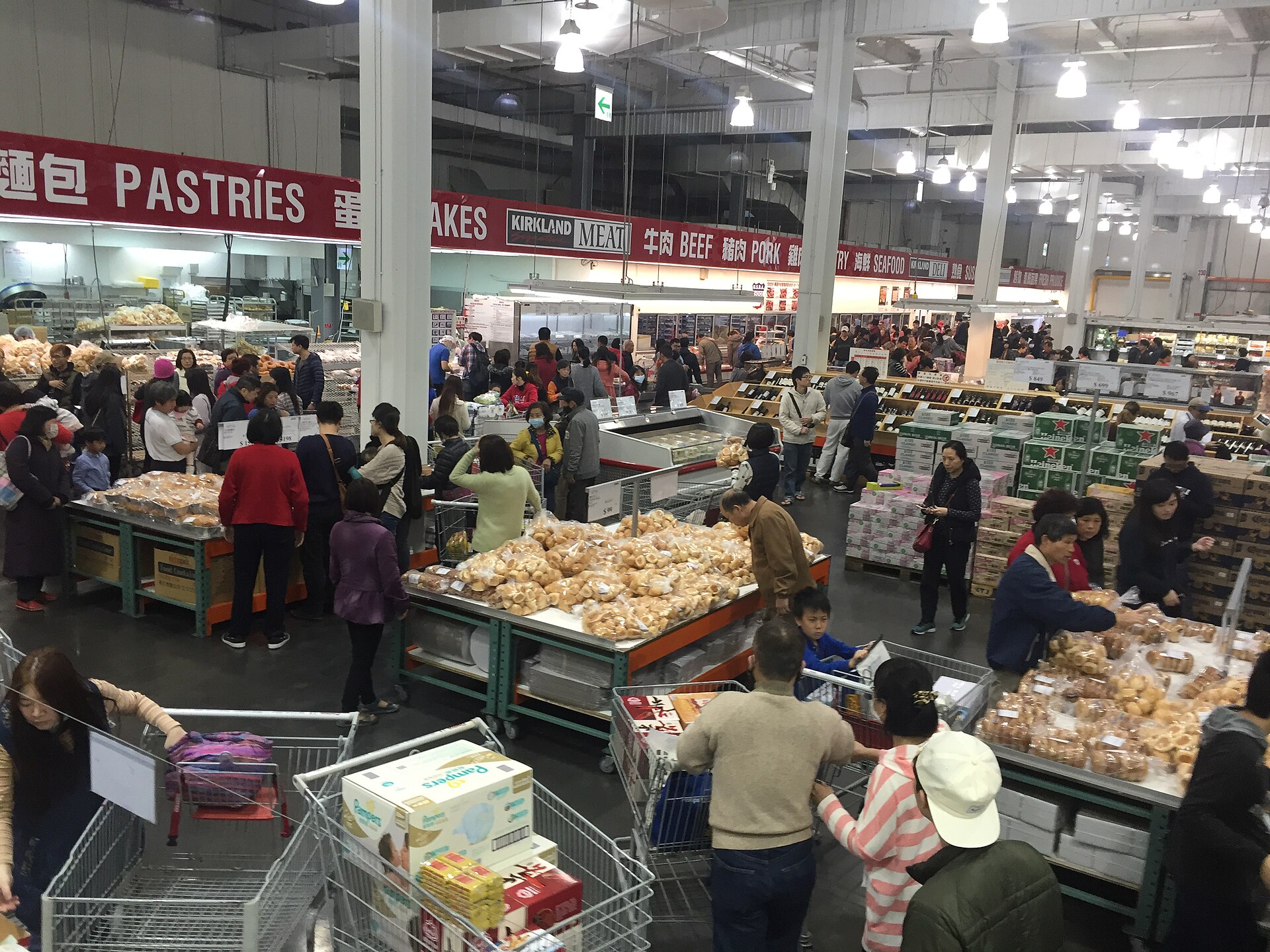
To understand the mango smoothie's true purpose, one must first understand the economic function of the Costco food court. On its own, the food court is not a significant profit center. It is a meticulously crafted loss leader, a business term for an offering sold at a low price, sometimes even at a loss, to attract customers who will then make other, more profitable purchases.
The most famous example is the unchanged price of its hot dog and soda combination, which has remained $1.50 since 1985. This single item is perhaps the most powerful symbol of Costco's commitment to delivering value to its members. The company reportedly sells over 150 million of these combos annually, a figure that dwarfs the sales of most major league baseball stadiums combined. The price is so integral to Costco's identity that the company's founder once famously told the current CEO, "If you raise the effing hot dog, I will kill you."
This commitment to low prices in the food court serves a single, vital purpose: to reinforce the value of the Costco membership. Costco's primary source of profit is not the markup on its merchandise, which is kept famously low, but the annual fees it collects from its more than 120 million members worldwide. These fees, which are either $60 or $120 per year for a standard or executive membership, generate billions in high-margin revenue. In many fiscal years, the company's entire net income is roughly equivalent to the sum of its membership fees.
Therefore, the central business challenge for Costco is member retention. The food court is a key tool in this effort. By offering high-quality, desirable food items at rock-bottom prices, Costco provides a tangible, immediate, and satisfying reward for being a member. After a shopper spends hundreds of dollars on bulk groceries and goods, finishing the trip with a $1.50 hot dog or a $2.99 smoothie leaves them with a powerful feeling of having received exceptional value, cementing a positive association with the brand and justifying the annual fee.
The rise of TikTok has provided Costco with a marketing amplifier of unprecedented power and reach. The platform's algorithm favors authentic, engaging, user-generated content, which is far more influential for many consumers than polished corporate advertising. The mango smoothie is a product seemingly tailor-made for this environment.
The hashtag #costcomangosmoothie has accumulated tens of millions of views, with countless videos featuring members trying it for the first time. These videos are not paid endorsements; they are genuine reactions, which lends them an air of trustworthiness. Viewers see real people debating the taste, comparing it to the old berry smoothie, and marveling at the price. This digital word-of-mouth is invaluable.
This is a continuation of a pattern. Before the mango smoothie, the food court's new Double Chocolate Chunk Cookie also became a viral sensation. Food influencers and regular members alike posted videos of themselves breaking open the warm cookie, creating a wave of hype that drove trial and sales.
Costco has learned that by introducing new, 'buzz-worthy' items to its food court, it can reliably spark these online conversations.
This earned media is incredibly efficient. A traditional marketing campaign to achieve a similar level of nationwide exposure would cost millions in ad buys, influencer contracts, and creative production. Costco achieves it for little more than the cost of developing a new smoothie recipe. The customers themselves become the marketing department, a distributed network of advocates creating authentic content that drives the business.
MANUFACTURING HYPE THROUGH STRATEGIC ROTATION
The controversy and conversation surrounding the replacement of the berry smoothie was not an unforeseen side effect; it is a core part of the playbook. Costco has mastered the art of manufacturing hype by strategically rotating items on its menu, creating a cycle of scarcity and novelty.
Sources and methodology
Reported from the public datasets below.
More from the Foodie Pundit Newsroom
- Grocery Bills Hit Record Highs as Supermarket Inflation Squeezes Budgets
- Dominique crenn ditches michelin stars for new flavor path
- Why Is Your Local Brewery Suddenly Making Beer With No Alcohol?
- Disney World Expands Resort Dining Portfolio With Launch of New Culinary Concept
- Beyond the Bottle: The Global Wine Market's Great Restructuring