Craft Brewing Breakthroughs Drive Non-Alcoholic Beer Expansion Across Hospitality Sector
As consumer preferences lean toward wellness and moderation, advanced brewing techniques are elevating non-alcoholic beer into a lucrative venue staple.
By Foodie Pundit Newsroom - Published - Section: Wine Spirits
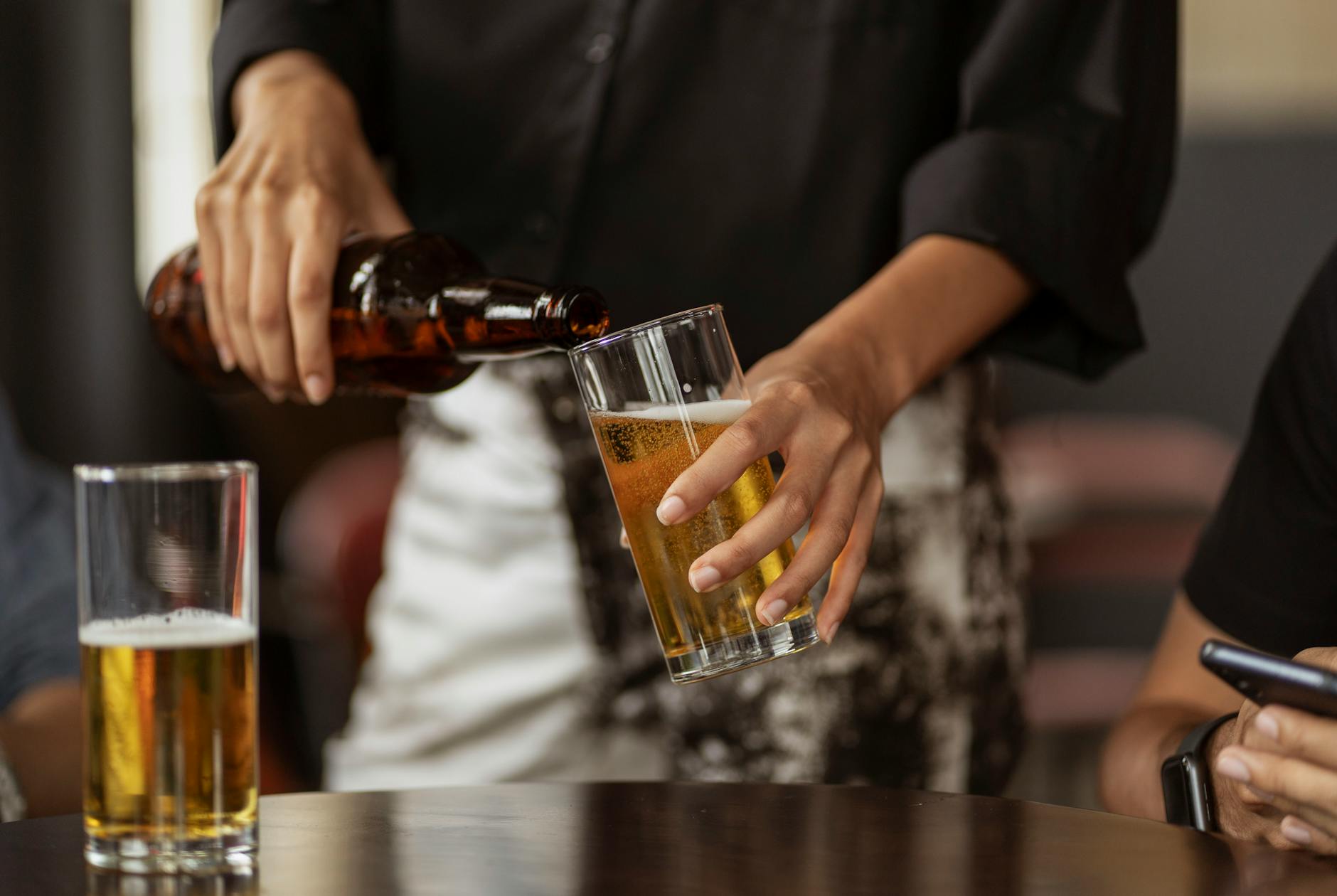
Key points
- Modern brewing innovations like vacuum distillation and specialized yeast strains have greatly improved non-alcoholic beer flavor and texture profiles.
- Hospitality operators are leveraging premium non-alcoholic beer pricing to boost beverage margins and keep guest checks high during off-peak hours.
- Hoppy IPAs and rich stouts translate more effectively to zero-proof formats than delicate light lagers due to strong malt and hop aromatics.
- Proper cold chain storage and staff menu education are essential for restaurant operators seeking to build successful non-alcoholic draft programs.
The non-alcoholic beverage sector has transformed from a niche health food alternative into one of the fastest-growing categories in the global food and beverage industry. Restaurant operators, pub owners, and retail managers are adjusting their inventory strategies as consumer demand shifts toward sober curious lifestyle choices. Recent product testing and market reporting by NBC News highlights how advanced brewing technologies are closing the quality gap between classic craft beers and their zero-alcohol counterparts.
Historically, non-alcoholic beer suffered from a poor reputation among mainstream consumers. Early manufacturing techniques relied heavily on thermal de-alcoholization, a process that boiled off ethanol but destroyed delicate hop aromatics and left behind a thin, sweet liquid. Modern craft brewers have revamped these procedures, employing vacuum distillation, reverse osmosis, and specialized yeast strains that arrest fermentation before significant alcohol levels build up. These technological investments allow producers to capture complex flavor profiles while maintaining a zero-proof label.
The economic surge behind non-alcoholic beer is driven by changing habits among younger consumer cohorts. Millennial and Generation Z patrons are consuming less ethanol overall, citing wellness goals, improved sleep quality, and cost consciousness as primary motivators. However, these consumers still seek the social ritual of sharing a cold beverage at a restaurant or bar. Non-alcoholic options allow venues to retain foot traffic and keep guest checks high without relying entirely on traditional alcohol sales.
Hospitality margins are directly benefiting from this cultural pivot. In many municipal jurisdictions, non-alcoholic craft brews carry lower tax burdens than standard alcoholic beverages, yet they command similar premium retail prices on dining menus. Restaurants that curate dedicated zero-proof beer lists are seeing increased beverage sales during weekday lunch hours and early evening shifts. Guests who might otherwise drink tap water during business meetings or social dinners are willing to spend six to eight dollars on a premium craft non-alcoholic pint.
BREWING INNOVATION AND TASTE PROFILE TRENDS
Sensory evaluation panels conducted across the beverage industry reveal that specific beer styles adapt better to non-alcoholic brewing than others. Hazy India Pale Ales and stout varieties excel in zero-proof formulations because their high hop loads or heavy roasted malt profiles mask the absence of alcohol warmth. Conversely, light lagers and subtle pilsners present greater technical challenges, as any off-flavors or watery mouthfeel become instantly apparent without ethanol to carry the palate.
Independent craft brewers are no longer the only entities driving this market space. Global beverage conglomerates have invested hundreds of millions of dollars into developing flagship zero-alcohol iterations of their top-selling brands. These major brewing houses utilize high-tech equipment capable of precise liquid separation, ensuring consistent shelf stability and draft line compatibility. Independent operators are responding by collaborating with regional specialty producers to offer localized, rotating zero-proof draft lines.
SUPPLY CHAIN INTEGRATION AND RETAIL EXPANSION
The expansion of non-alcoholic options has created distinct logistical considerations for distributors and venue operators. Because non-alcoholic beer lacks the preservative qualities inherent to ethanol, cold chain management and strict inventory rotation are critical to prevent spoilage. Beverage directors must train floor staff on proper storage protocols and ensure draft lines dedicated to non-alcoholic products undergo frequent cleaning to maintain flavor purity.
Grocery store buyers and specialty beverage retailers are reallocating shelf space once reserved for traditional domestic lagers to accommodate zero-proof craft cans. Retail data shows that non-alcoholic beer purchases Spike during traditional wellness cycles, such as dry January, but sustain high sales volumes throughout the summer season. Prominent display placements and dedicated zero-proof retail endcaps are now standard practices across major supermarket chains.
OPERATIONAL IMPACT ON FOOD SERVICE VENUES
Integrating robust non-alcoholic beer programs requires strategic staff education for front-of-house restaurant teams. Bartenders and servers must understand how to pair non-alcoholic IPAs, ambers, and wheat beers with food menus, treating them with the same culinary respect as vintage wines or classic ales. Clear menu labeling is equally vital, as consumers need transparent information regarding trace alcohol levels, given that many zero-proof beverages contain up to point five percent alcohol by volume under federal labeling standards.
Establishments that adopt comprehensive non-alcoholic offerings report higher customer satisfaction scores and stronger party retention. When social groups contain non-drinkers, designated drivers, or individuals taking temporary breaks from alcohol, the presence of sophisticated non-alcoholic options ensures the entire group stays longer and orders additional food courses. Beverage directors who view non-alcoholic beer as a core menu pillar rather than an afterthought are capturing market share from legacy venues that rely exclusively on traditional bar menus.
For everyday diners and beverage consumers, the rapid evolution of the non-alcoholic beer market means you no longer have to compromise on taste when opting out of alcohol. Whether you are navigating a business lunch, managing your health goals, or serving as a designated driver, modern restaurant menus offer high-quality brews that mirror the mouthfeel and complexity of traditional craft beer. You can confidently explore non-alcoholic IPAs, stouts, and lagers at your local pub, enjoying the social experience of dining out while staying completely sober.
Sources and methodology
Reported from the public datasets below.
More from the Foodie Pundit Newsroom
- Convenience Meets Craft as Ready-to-Drink Cocktails Reshape Beverage Industry
- Zero Proof Revolution: How Modern Craft Brewers Are Redefining Non Alcoholic Beer
- Pickle Brine in Cold Brew Emerges as the Latest Viral Beverage Trend
- Pickle Coffee Moves From Social Media Novelty to Restaurant Industry Curiosity
- Pickle Brine Meets Cold Brew as Savory Coffee Trends Take Hold of Restaurant Menus