Daily Caffeine Routine Defies Inflation As Coffee Chains Maintain Strong Pricing Power
despite inflation, daily caffeine routines remain surprisingly resistant to household budget cuts.
By Foodie Pundit Newsroom - Published - Section: Coffee Cafes
Key points
- Major coffee chains continue to see steady foot traffic despite multiple rounds of price hikes.
- Consumers treat specialty caffeine drinks as an affordable daily luxury during times of broader economic uncertainty.
- Digital loyalty programs and cold beverage customization drive higher average ticket totals across the sector.
Rising grocery bills and elevated interest rates have forced millions of American households to trim their monthly budgets over the past year. Consumers have cut back on discretionary purchases such as electronics, apparel, and home improvement goods. Yet, when it comes to morning beverage runs, consumer behavior tells a surprisingly different story.
Data highlights a persistent willingness among fast-casual diner networks to absorb higher prices for daily caffeine routines. Rather than brewing at home to save cash, patrons continue visiting major chains with remarkable consistency. Industry analysts note that small, affordable indulgences often survive economic downturns far better than big-ticket retail items.
Major coffee chains have implemented multiple rounds of price increases over the last two years to offset rising labor costs and expensive raw ingredients. According to reporting by CNBC, these price hikes have done surprisingly little to deter core customers. Instead of trading down to cheaper options, consumers continue ordering customized beverages that frequently push ticket totals higher.
Corporate earnings reports across the beverage sector indicate that transaction volumes have held steady even as average ticket prices surged. Fast-casual brands have discovered that daily ritual items enjoy an unusually inelastic demand curve. Customers view their handcrafted drinks not as a luxury to trim, but as an essential component of their daily productivity.
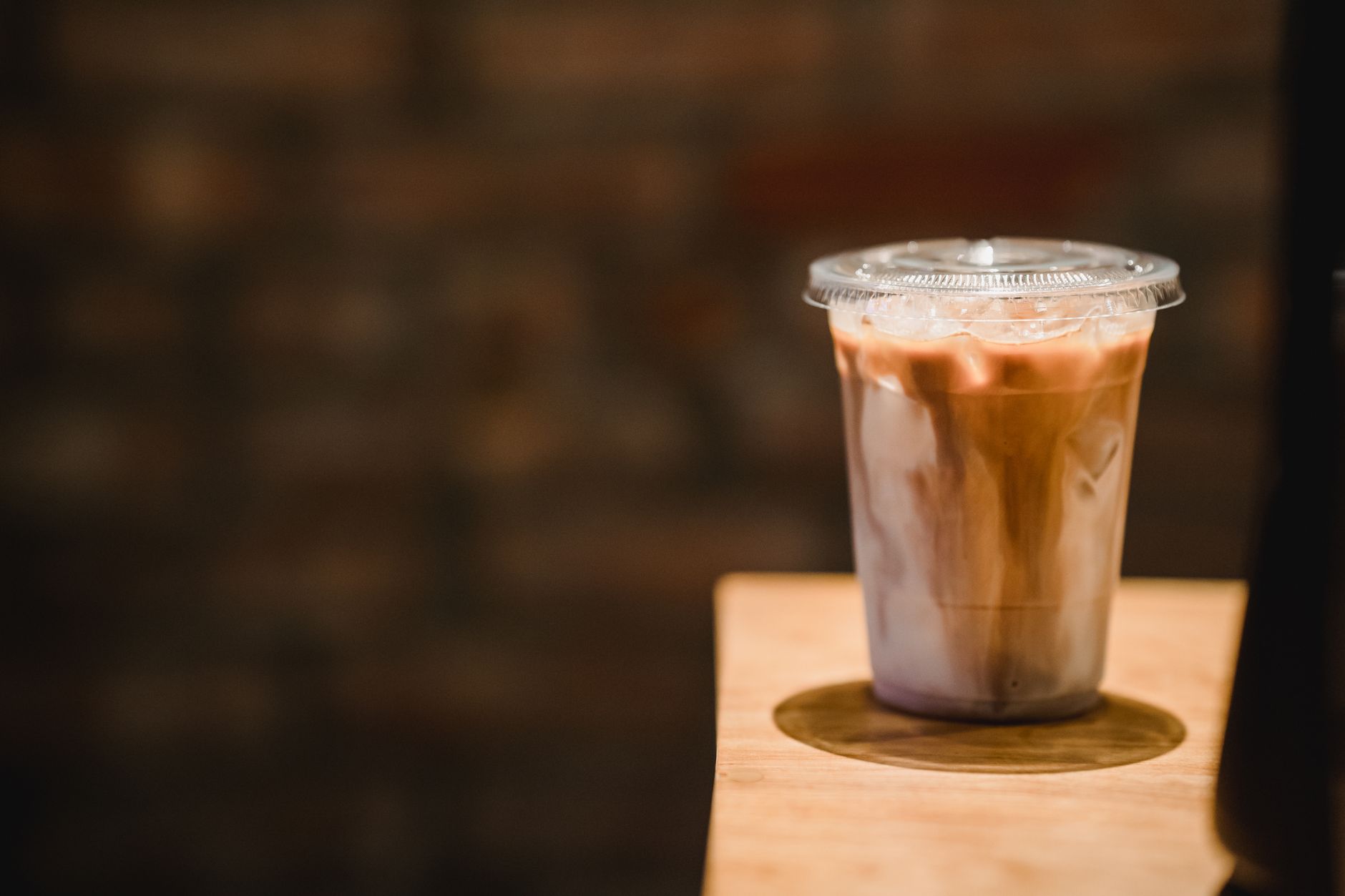
Economists often refer to the lipstick effect during periods of broader financial stress. When economic uncertainty prevents consumers from purchasing major items like new cars or luxury vacations, they channel smaller amounts of discretionary income into accessible daily pleasures. A six-dollar iced latte serves as an achievable treat during an otherwise stressful economic cycle.
Furthermore, mobile ordering applications and loyalty programs have reinforced these habitual spending patterns. Digital reward systems gamify the purchasing process, offering consumers points and personalized discounts that soften the impact of higher menu prices. The convenience of order-ahead mobile apps also removes friction, making it easier for busy workers to justify the routine expense.
Behind the counter, operators face complex cost structures that explain why menu prices remain elevated. Green coffee bean prices have fluctuated sharply due to unpredictable weather patterns in South America and persistent international shipping bottlenecks. Meanwhile, minimum wage increases and competitive local hiring markets have driven store-level wage expenses upward across major metropolitan areas.
To protect profit margins, corporate operators have turned to technology investments alongside menu price adjustments. Automated espresso machinery, optimized drive-thru layouts, and inventory prediction tools have helped stores process higher order volumes with greater efficiency. These operational tweaks allow major brands to maintain service speed even during peak morning rushes.
While national corporate giants continue to post strong financial metrics, smaller regional drive-thru operators and independent cafes face a mixed environment. Independent shops often lack the corporate scale required to negotiate bulk ingredient discounts, forcing them to raise prices even higher than national chains. Consequently, some price-sensitive customers are migrating toward larger chains that offer robust digital rewards programs.
At the same time, quick-service burger chains and convenience store networks have attempted to capture market share by launching discounted coffee lines. Despite aggressive marketing for dollar-coffee promotions, premium specialty operators have largely retained their core demographic. Consumers appear willing to pay a premium for specific milk alternatives, syrup flavorings, and espresso quality that budget competitors struggle to replicate.
As coffee operators look toward the coming fiscal quarters, cold beverage innovation remains a critical growth vector. Cold drinks, including iced coffees, cold brews, and customized energy beverages, now account for a massive share of total daily sales. These cold offerings carry higher profit margins and prove particularly popular among younger demographic cohorts who consume iced drinks year round.
Industry researchers expect major chains to keep testing the limits of consumer pricing power throughout the year. However, executives remain cautious about pushing prices too aggressively, recognizing that sudden price spikes could eventually trigger resistance. The ongoing challenge will be maintaining speed of service while accommodating increasingly complex, customized orders.
For everyday consumers, the resilience of major coffee chains means elevated menu prices are likely here to stay. Operators have little incentive to roll back prices when demand remains robust and customer traffic stays strong. If you are looking to lower your monthly beverage expenditures without abandoning your habit, taking full advantage of mobile loyalty rewards and simplified orders remains your best financial strategy.
Understanding the underlying economics of your morning stop highlights how powerful habit and convenience can be. While daily drinks may seem like a minor expense, tracking your monthly app reloads can reveal significant annual spending. As fast-casual chains continue investing in automated equipment and cold drink menus, patrons can expect quick service, highly customized options, and premium pricing to define the coffee landscape for the foreseeable future.
Sources and methodology
Reported from the public datasets below.
More from the Foodie Pundit Newsroom
- Caffeine Habit Proves Resistant To Inflationary Pressures As Coffee Sales Surge
- Legacy Fast Food Chains Face Wave of Closures as Economic Pressures Mount
- Daily Coffee Spending Proves Resilient Against Broader Inflationary Pressures
- Specialty Coffee Demand Holds Firm Against Persistent Inflationary Pressures
- Coffee Habit Defies Inflation as Consumers Protect Small Daily Luxuries