Specialty Coffee Demand Holds Firm Against Persistent Inflationary Pressures
Consumer spending on morning caffeine remains exceptionally strong despite rising menu prices and persistent broader inflation.
By Foodie Pundit Newsroom - Published - Section: Coffee Cafes
Key points
- Specialty coffee purchases remain insulated from broader consumer spending pullbacks because buyers view them as affordable luxuries.
- Targeted price increases and high-margin customization options like cold foam continue to boost average ticket sizes without hurting foot traffic.
- Digital loyalty programs and efficient drive-thru models reduce customer price sensitivity and encourage repeat visits.
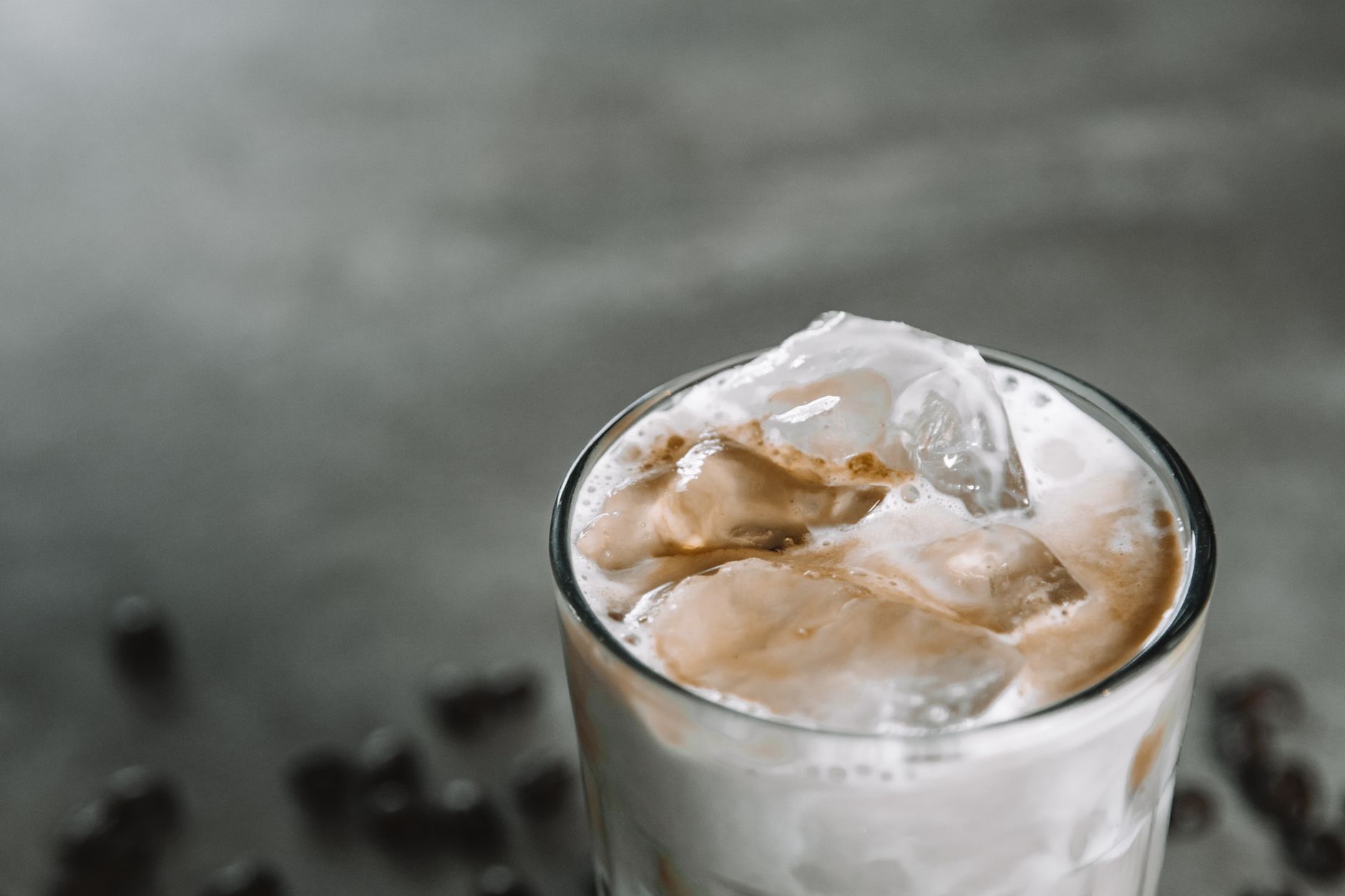
- Cold beverage options now account for the majority of total sales, driving higher profit margins and faster store throughput.
The global coffee market is demonstrating remarkable immunity to macro-economic headwinds as consumer spending patterns reveal an unshakeable commitment to daily caffeine rituals. Despite persistent inflationary pressures, elevated supply chain expenditures, and rising retail menu pricing across the food service sector, foot traffic and ticket sizes at major coffee chains remain resilient. Recent financial data and market analysis published by CNBC indicate that beverage enthusiasts are choosing to absorb higher prices rather than abandon their preferred morning routines. This persistent demand highlights the unique psychological and operational strength of premium coffee brands in today's unpredictable economic environment.
When inflation accelerates across essential goods like groceries, housing, and energy, discretionary spending usually contracts rapidy. Historically, casual dining and specialty beverage categories are among the first expenses that households trim or eliminate entirely. However, recent quarterly performance metrics from top beverage operators suggest that specialty coffee occupies a protected tier within consumer budgets. Industry analysts classify these daily morning purchases as affordable luxuries, meaning that while consumers might defer major electronics, vacations, or high-end apparel buys, they consistently preserve small, high-frequency indulgences.
A deeper examination of transaction data reveals that ticket size growth is currently driving much of the revenue gains across urban and suburban markets alike. Coffee chains have systematically implemented targeted price increases over the last six quarters to offset soaring labor expenses, real estate costs, and raw green coffee bean futures. Rather than turning customers away, these pricing adjustments have been met with surprisingly low elasticity. Customers are not only paying the higher base prices for standard drip coffees and espresso drinks, but they are also increasingly opting for higher-margin add-ons such as cold foam, custom syrups, and dairy alternatives.
Beyond basic consumer habit, major beverage operators have spent years engineering high-friction loyalty systems and seamless digital ordering platforms that reinforce customer retention. Mobile ordering apps and drive-thru infrastructure have transformed how consumers interact with retail coffee storefronts. By removing physical friction points like long queue lines and manual payment processing, chains create a frictionless transaction flow that minimizes price sensitivity. When a customer orders custom drinks through a smartphone app, the incremental cost of a price increase becomes less visible compared to a traditional physical menu board.
Loyalty programs play a pivotal role in shielding the sector from macroeconomic volatility by gamifying customer retention and maximizing purchase frequency. Automated reward mechanics, personalized promotional offers, and tiered point structures give consumers a tangible incentive to keep spending within a specific ecosystem. Financial tracking shows that loyalty members visit stores significantly more often and spend more per transaction than non-registered guests. CNBC reporting underscores that this digital architecture acts as a powerful economic shock absorber, allowing brands to maintain consistent cash flow even as broader retail foot traffic fluctuates.
Supply chain dynamics have also forced retail coffee brands to innovate rapidly behind the scenes to preserve profitability without compromising speed of service. Cold beverage categories, including cold brew, iced espressos, and blended drinks, now represent the majority of total sales during peak operating hours. These cold menu items feature higher profit margins and faster assembly times compared to complex hot beverages, allowing store staff to process more transactions per hour. By shifting consumer preferences toward cold drinks, coffee retailers have successfully boosted operational efficiency while expanding overall ticket margins.
The enduring power of coffee sales can also be attributed to fundamental shifts in daily work patterns and modern lifestyle habits. As hybrid work models stabilize across major metropolitan areas, the trip to a neighborhood coffee shop often serves as a primary social transition point between home life and professional obligations. For millions of remote and hybrid workers, purchasing a beverage provides a tangible reason to leave the house, establishing an affordable routine that replaces traditional office coffee stations. This behavioral shift creates consistent, non-negotiable demand that remains stable throughout the work week.
Furthermore, premium coffee purchases function as a psychological comfort mechanism during periods of broader economic uncertainty. When personal finances feel squeezed by elevated rent or rising utility costs, consumers look for accessible ways to reward themselves. Spending five or six dollars on a custom beverage delivers an immediate sensory reward and a brief emotional uplift without requiring a major financial commitment. Industry observers note that this dynamic protects specialty coffee operators from the severe downturns typically experienced by traditional full-service sit-down restaurants during inflationary cycles.
Looking ahead, beverage operators are expanding their store footprints in suburban markets, university towns, and travel hubs to capture ongoing demand. While sustained inflation may eventually test the limits of consumer price tolerance, current market metrics suggest that the specialty coffee habit remains one of the most durable consumer spending trends of the post-pandemic era. Retailers that continue to leverage mobile technology, menu customization, and rapid drive-thru throughput are well-positioned to maintain robust sales growth regardless of broader economic volatility.
For the average consumer, the steady resilience of specialty coffee chains means that high retail menu prices are likely here to stay for the foreseeable future. Because foot traffic and custom beverage add-ons remain strong, major operators have little economic incentive to lower base prices or roll back recent price increases. However, diners and daily coffee drinkers can offset these elevated costs by strategically leveraging digital loyalty applications, targeted mobile rewards, and promotional reward days. Understanding how store operators structure their pricing models empowers consumers to enjoy their daily coffee rituals while managing their personal dining budgets effectively.
Sources and methodology
Reported from the public datasets below.
More from the Foodie Pundit Newsroom
- Coffee Habit Defies Inflation as Consumers Protect Small Daily Luxuries
- Viral Internet Pasta Recipes Drive Major Shifts in Retail Grocery and Dining Patterns
- How Viral Video Trends Are Overhauling Grocery Retail and Restaurant Menus
- Downtown Raleigh Welcomes Multi-Concept Hospitality Venue Offering All-Day Dining and Cocktails
- Why Miso Chocolate Tarts Represent the New Frontier of Restaurant Dessert Economics