Digitization of Global Farms Promises Stable Food Supply Chains for Restaurants
Digital tools and automated machinery are reshaping commercial farming, offering restaurant buyers better price stability and traceable supply chains.
By Foodie Pundit Newsroom - Published - Updated - Section: Chain Watch
Key points
- Precision agriculture minimizes resource waste, helping stabilize wholesale produce costs for commercial kitchens.
- Automated machinery and robotics mitigate agricultural labor shortages, accelerating field-to-distributor transport times.
- Enhanced digital tracking improves ingredient traceability and reduces food waste across the supply chain.
- Data-backed sustainability metrics allow restaurants to verify eco-friendly sourcing for conscious consumers.
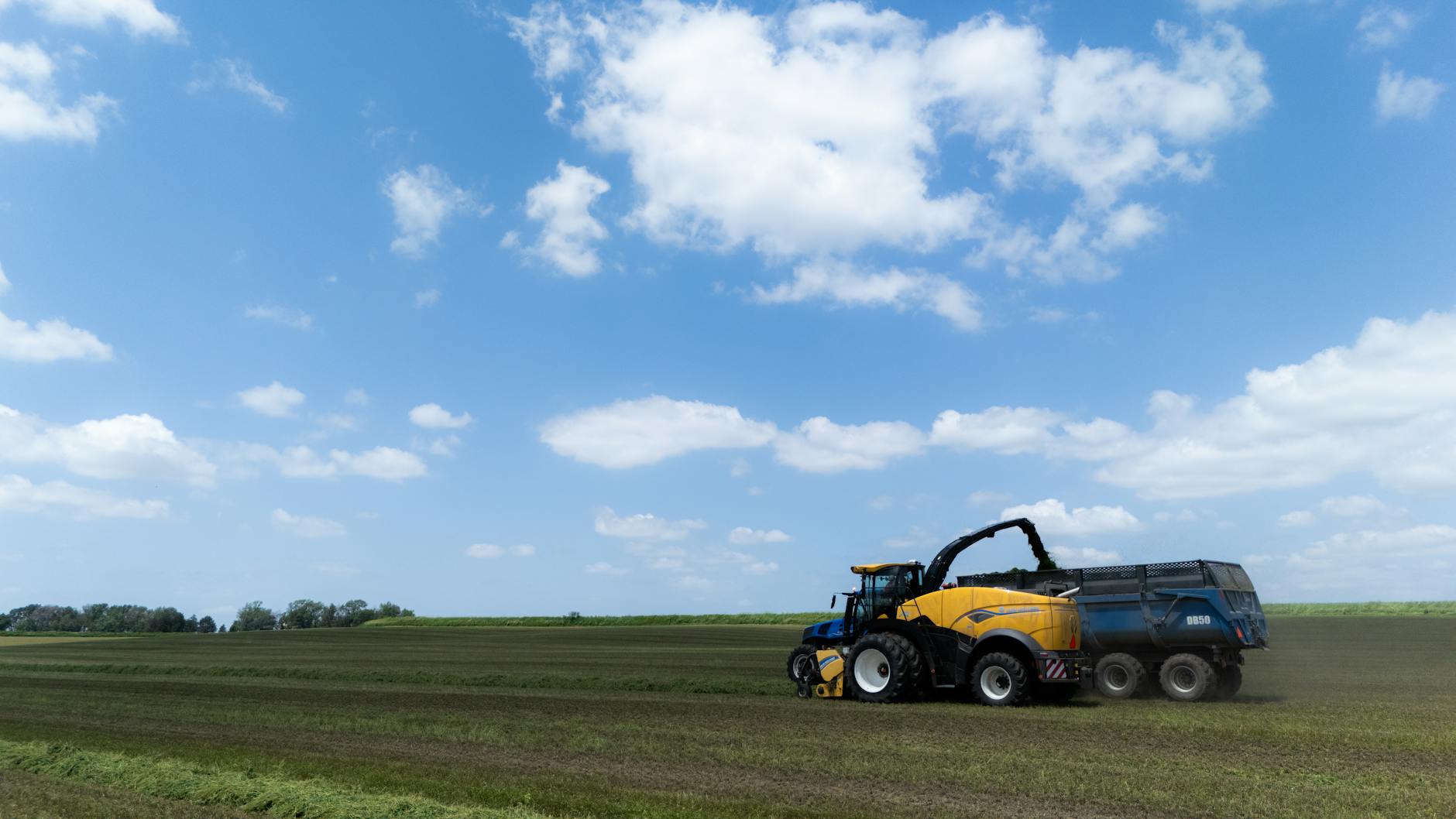
The modern agriculture sector is undergoing a profound digital transformation that is fundamentally altering how ingredients move from fields to commercial kitchens. Automated machinery, field-based sensors, and predictive analytics are replacing traditional manual labor and guesswork across global supply chains. According to research synthesized by EurekAlert!, these technological advancements are enabling growers to optimize yields while significantly reducing environmental impacts. For the restaurant industry, this digital evolution promises greater price stability and more consistent ingredient quality over the long term.
As climate volatility continues to disrupt traditional growing seasons, agri-tech solutions are becoming essential tools for risk management. Advanced monitoring systems now allow farmers to track soil moisture, crop health, and weather patterns in real time. By delivering precise amounts of water and fertilizer exactly where needed, growers can minimize waste and reduce operational expenses. These efficiency gains help cushion operators against sudden price spikes that typically ripple down to wholesale distribution networks.
AUTOMATION TAKES CENTER STAGE IN HARVESTING
Labor shortages have long plagued the agricultural sector, creating severe bottlenecks during peak harvest periods. Autonomous tractors, robotic harvesters, and aerial drones are increasingly stepping in to fill these critical operational gaps. These automated tools can operate around the clock with extreme precision, reducing crop damage during picking and accelerating the timeline from field to cold storage. Consequently, produce reaches regional distributors faster, extending shelf life for hospitality buyers.
Beyond hardware, sophisticated software platforms are reshaping resource allocation across vast farming operations. Algorithmic forecasting models help growers determine optimal planting schedules and harvest windows based on hyper-local data. By aligning production more closely with market demand, digital farming reduces total food waste at the source. This systematic reduction in loss helps stabilize the broader food supply chain, offering restaurants a more dependable stream of core staples.
The adoption of digital tools in agriculture is closely tied to growing commercial demand for sustainably sourced ingredients. Consumers increasingly expect restaurants to demonstrate environmental stewardship, driving buyers to audit their supply chains. Agri-tech platforms provide verifiable metrics regarding carbon footprints, water conservation, and chemical usage. This data allows growers to validate their eco-friendly practices to commercial purchasers seeking transparent sourcing credentials.
Precision application technology has drastically reduced the reliance on synthetic fertilizers and chemical pesticides. Targeted dosing systems ensure that inputs are applied only to specific plants rather than broadcast across entire fields. This targeted approach protects local watersheds and improves soil health over successive growing cycles. Over time, healthier soil produces higher crop yields with superior nutrient profiles, directly benefiting culinary professionals who prioritize quality ingredients.
The integration of digital tracking systems is also revolutionizing supply chain transparency for the foodservice industry. Blockchain ledger systems and sensor-enabled shipping containers allow distributors to monitor temperature and humidity levels during transit. If environmental parameters drift outside safe thresholds, automated alerts notify logistics managers before product spoilage occurs. This level of traceability minimizes bulk inventory losses and ensures that restaurants receive fresher shipments.
Enhanced data sharing between growers and commercial buyers is creating more resilient contractual relationships. Restaurants can now secure forward contracts with greater confidence, knowing that growers are using predictive data to guarantee delivery volumes. This transparency reduces inventory risk for large restaurant groups operating on tight profit margins. As digital adoption expands, the traditional friction between farm gate prices and restaurant food costs is expected to smooth out.
CAPITAL INVESTMENT SPURS RAPID INNOVATION
Venture capital and institutional investment continue to pour into the agri-tech ecosystem, driving rapid iteration of smart farming tools. Startups specializing in computer vision, soil microbiology analytics, and automated logistics are attracting record funding rounds. This influx of capital is lowering the cost of technology adoption, allowing mid-sized and family-owned farms to digitize their operations. As these tools become ubiquitous, the overall cost structure of agricultural production is set to become more efficient.
However, the transition to digital agriculture is not without operational hurdles for rural producers. High initial capital expenditures for advanced machinery and reliable rural broadband connectivity remain significant barriers to entry. Industry analysts emphasize that government subsidies and private partnerships will be crucial to ensure equitable access across the farming sector. Despite these challenges, the economic momentum behind agricultural technology continues to build across domestic and international markets.
For restaurant operators and hospitality executives, the digitalization of agriculture offers a welcome shift toward supply chain reliability and cost predictability. Enhanced farming efficiency helps mitigate wholesale price swings caused by localized weather events or labor shortages. As precision agriculture lowers production costs, buyers can expect more stable pricing across staple produce categories, directly protecting menu margins.
Furthermore, the data generated by smart farms provides restaurants with powerful marketing story lines regarding ingredient sourcing and environmental responsibility. Operations that leverage traceable, sustainably grown produce can strengthen brand trust and meet rising consumer expectations for eco-conscious dining. Aligning purchasing strategies with digitized suppliers will soon become a baseline requirement for competitive restaurant brands aiming to optimize both food costs and ESG compliance.
Sources and methodology
Reported from the public datasets below.
More from the Foodie Pundit Newsroom
- The Science Behind Girl Dinner: How Grazing Boards Support Microbiome Health
- How Fermented Foods Are Transforming Restaurant Menus and Kitchen Operations
- The Downtowner Plans to Bring Breakfast and Local Fare to Gulfport
- Analyzing the True Economic and Culinary Value of Viral Digital Recipes
- Gen Z Reshapes Restaurant Economics Through Unconventional Dining Habits