Downtown Raleigh Hospitality Launch Highlights Rise of All-Day Hybrid Venues
A new downtown destination highlights the commercial shift toward hybrid venues designed to maximize foot traffic and revenue across every hour of the day.
By Foodie Pundit Newsroom - Published - Updated - Section: Restaurants
Key points
- All-day hybrid restaurant concepts allow operators to maximize lease utility by generating revenue across morning, afternoon, and evening dayparts.
- Urban growth in downtown Raleigh is driving demand for flexible dining hubs that serve as community gathering spots for new residents.
- Combining high-margin coffee and craft cocktail programs helps independent operators offset volatile kitchen food and labor expenses.
- Flexible interior design and cross-trained staff are critical for venues transitioning from daylight counter service to evening pub operations.
Raleigh, North Carolina, continues to emerge as one of the most competitive mid-sized restaurant markets in the Southeastern United States. A new multi-concept hospitality venue has opened its doors in the heart of downtown Raleigh, offering an ambitious hybrid model that spans early morning coffee service, casual lunch dining, upscale evening pub fare, and late-night craft cocktail programming. The launch reflects a broader national shift in hospitality real estate strategy, where operators are moving away from single-turn dining formats in favor of all-day venues that maximize revenue per square foot.
Local reporting from ABC11 Raleigh-Durham highlights the arrival of this versatile gathering space, which aims to capture foot traffic from downtown office workers, residential denizens, and weekend night patrons. By operating continuously from sunrise through late night, the establishment seeks to smooth out the traditional peaks and valleys of restaurant revenue. Industry analysts note that such hybrid models have become increasingly essential for survival in urban cores where commercial rents and labor costs have escalated sharply over the past three years.
The financial mechanics of the traditional independent restaurant have faced unprecedented pressures since 2020. Standard dinner-only establishments often leave expensive kitchen equipment and primary dining real estate completely idle for more than twelve hours each day. In contrast, all-day concepts utilize the same lease footprint to capture distinct consumer spending occasions throughout the day. Morning coffee and breakfast pastry sales generate high-margin revenue with minimal kitchen labor, while lunch service absorbs local corporate patronage.
By the time the evening rush arrives, the venue transitions its lighting, audio environment, and service flow to accommodate craft cocktail enthusiasts and casual diners seeking high-end pub fare. According to regional retail commercial real estate data, urban hospitality leases in the Triangle region have seen steady rate increases, making continuous operational utility a primary focus for prospective operators. Venue spaces that can seamlessly shift from a remote working haven at two in the afternoon to a bustling tavern at eight in the evening hold a distinct competitive advantage over single-purpose outlets.
Developing a venue capable of executing multiple service modes requires substantial upfront capital expenditure. Kitchen layout must accommodate both rapid morning beverage turnover and intensive evening line cooking without creating bottlenecks for staff. Service personnel must be cross-trained or carefully scheduled across disparate operational shifts, presenting unique management challenges in a labor market that remains historically tight.
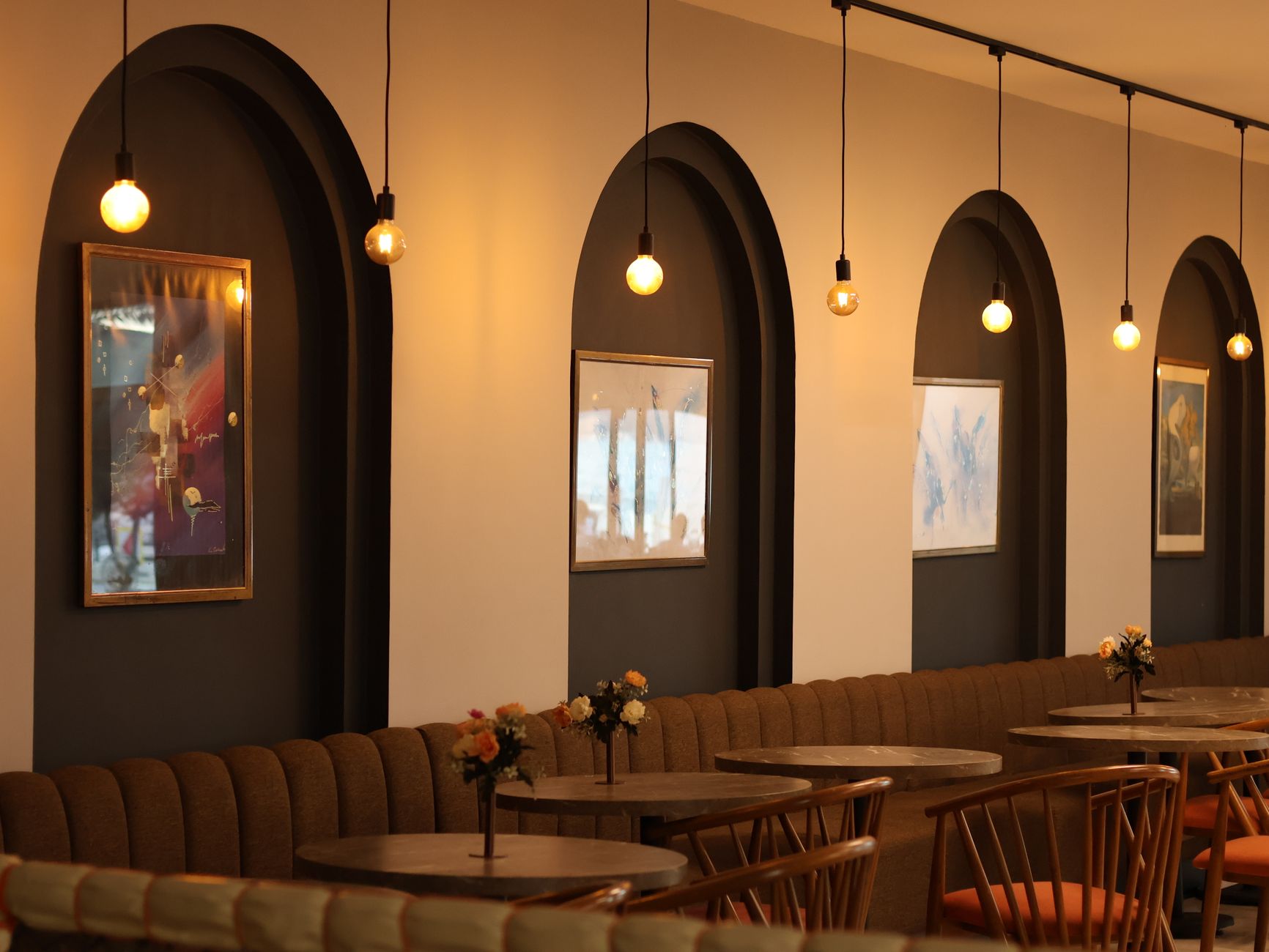
Operators in mid-sized urban markets like Raleigh are increasingly relying on flexible interior design elements to manage these spatial transitions. Counter-service areas that handle morning espresso orders can morph into cocktail pickup stations or prep areas after dark. Modular seating arrangements allow operators to clear floor space for higher-density weekend night crowds. These structural accommodations require higher initial leasehold improvement investments, but operators report that the resulting revenue diversification significantly reduces financial volatility during off-peak dining months.
Raleigh has experienced rapid population growth driven by expansions in the technology, life sciences, and higher education sectors across the broader Research Triangle. This influx of new residents has dramatically altered the local food and beverage ecosystem. Downtown Raleigh in particular has transformed from a sleepy administrative center into a vibrant residential and nightlife corridor. As thousands of modern apartment units come online within walking distance of Fayetteville Street and the Warehouse District, consumer demand for flexible dining options has surged.
Reporting from ABC11 Raleigh-Durham underscores how local consumers are increasingly seeking approachable, non-pretentious neighborhood hubs that cater to diverse daily needs. Rather than reserving restaurant visits solely for special occasions, urban residents treat all-day venues as extension points of their own living rooms. This behavioral pattern provides venue operators with predictable cash flow, as regular coffee guests frequently convert into evening cocktail patrons and weekend brunch diners.
From an economic perspective, food and beverage margins vary widely across different dayparts. Espresso and non-alcoholic coffee drinks carry gross margins often exceeding eighty percent, though average check sizes remain low. Evening alcohol service, particularly craft cocktails and curated draft beer programs, similarly delivers high profitability that helps offset the higher food and labor costs associated with scratch-kitchen dinner menus.
By blending these margin profiles across a single operational budget, hybrid venues achieve greater resilience against supply chain shocks and wholesale ingredient inflation. When meat or produce costs spike, stable margins from coffee and beverage programs help cushion the overall operational balance sheet. Furthermore, maintaining active operations throughout the day improves labor retention by offering hospitality workers more varied shift options, including full-time daylight schedules that are rarely available in conventional dinner establishments.
For local consumers and urban residents, the expansion of multi-concept venues in downtown cores provides unprecedented flexibility in how spaces are utilized throughout the week. Guests can conduct morning business meetings over coffee, enjoy a quick lunch, and return after work for drinks without ever leaving their immediate neighborhood footprint. This operational shift ultimately creates safer, more active streetscapes by keeping downtown commercial corridors populated across all hours of the day.
For hospitality entrepreneurs and industry professionals, the Raleigh launch serves as a practical case study in modern real estate efficiency and revenue diversification. As commercial leasing terms remain demanding across growing mid-sized cities, the ability to activate a single storefront across four distinct dining dayparts is rapidly shifting from an innovative novelty into a baseline industry standard. Expect to see more regional operators retooling existing spaces to incorporate morning beverage counters and flexible evening parlor spaces over the coming years.
More from the Foodie Pundit Newsroom
- Starbucks Leverages Viral Beverage Trends with Summer Menu Expansion
- Michelin Star Expansion Across Asia Reshapes Regional Dining Economics
- Treasury just killed fake Texas wine, for real.
- FDA just dropped research on new food packaging. Your plastic clamshell is sweating.
- The Zero-Proof Revolution: How Craft Innovations Are Transforming Non-Alcoholic Beer