A Seven-Year East Bay Burger Staple Quietly Closes Its Doors
The abrupt closure of a seven year old burger staple underscores the mounting financial hurdles facing independent East Bay restaurateurs.
By Foodie Pundit Newsroom - Published - Updated - Section: Restaurants
Key points
- A beloved East Bay burger joint closed abruptly after seven years of operation, according to reporting from SFGate.
- Rising commercial rents, surging wholesale ingredient costs, and tight labor markets continue to pressure independent Bay Area operators.
- Small casual restaurants face growing competition from corporate chains that possess greater purchasing power and operational scale.
- Community support through direct dining and walk in purchases remains vital for preserving local food scenes.
A popular East Bay burger establishment has permanently shut down after seven years of business, shocking loyal customers and adding to a growing list of independent restaurant closures across Northern California. The sudden departure reflects the relentless economic pressures squeezing small food service operators throughout the San Francisco Bay Area. Local patrons discovered the news through social media posts and quiet signage posted on the front entrance, leaving neighborhood residents mourning the loss of a long-standing neighborhood spot.
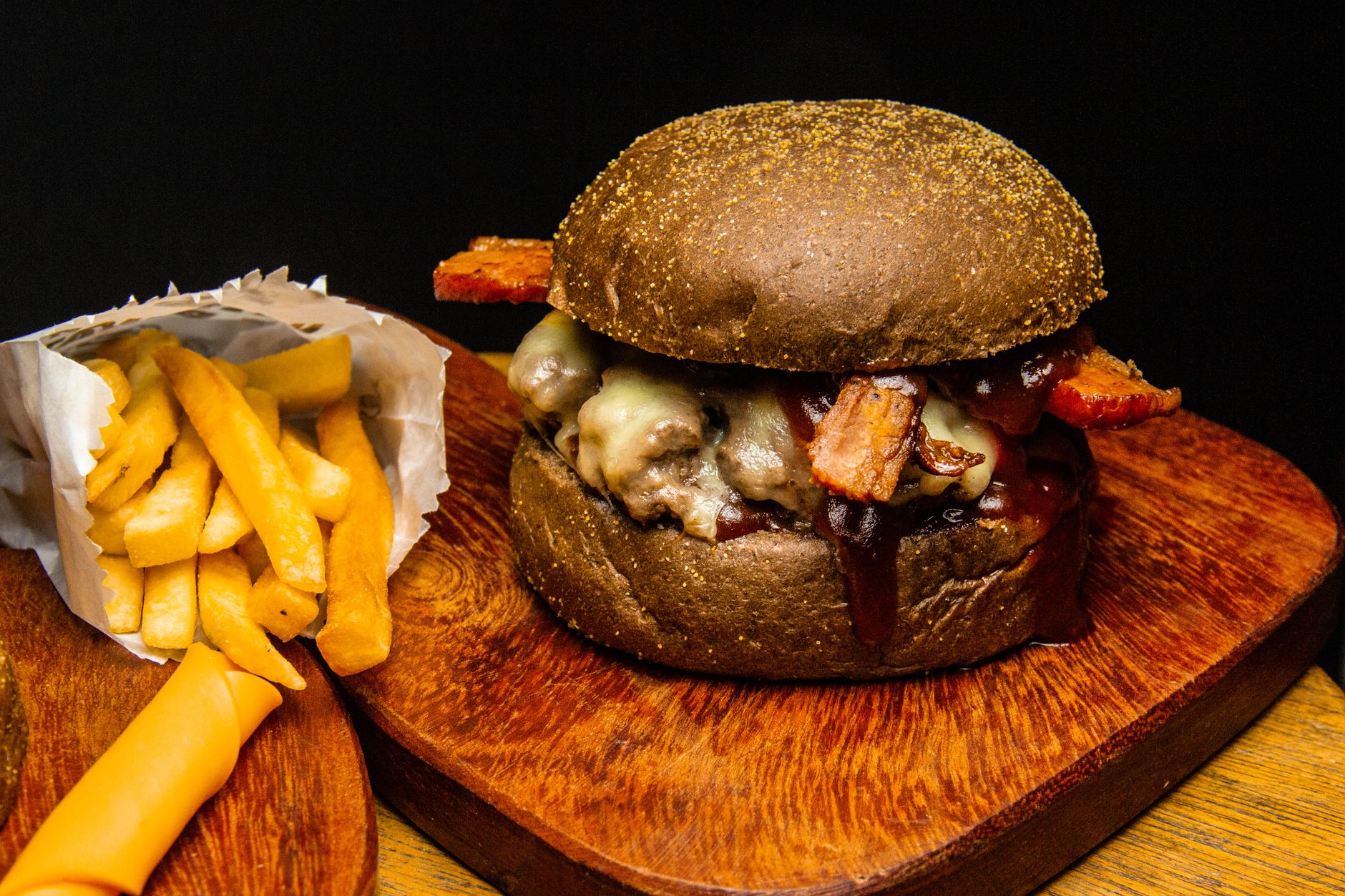
According to reporting by SFGate, the neighborhood eatery built a passionate local following by serving smash burgers, custom sauces, and hand-spun milkshakes. Over its seven-year run, the spot transformed from a modest counter-service concept into a vital community gathering space. Industry watchers note that reaching the seven-year mark is often a critical milestone for independent restaurants, making this unexpected exit all the more concerning for regional observers who watch how local food scenes evolve.
While the owners have not disclosed a single specific cause for the closure, the surrounding economic environment offers ample context for why staying open became unsustainable. Independent operators across the East Bay report unprecedented headwinds, including surging commercial rent, elevated wholesale ingredient costs, and rising municipal fees. Labor costs have also climbed steadily as small businesses compete to offer living wages in one of the most expensive metropolitan regions in the United States.
Commercial real estate dynamics in the Bay Area have become particularly challenging for mid-sized casual concepts trying to keep their balance sheets in the green. Landlords renewing multi-year leases frequently demand steep rent increases to align with updated market assessments. For a restaurant operating on razor-thin profit margins, even a modest percentage increase in monthly rent can instantly render a previously viable business completely unprofitable, turning a stable monthly budget into an unsustainable financial loss.
Food and beverage operators have spent the last three years navigating persistent inflation across core inventory items. Wholesale beef prices have experienced sharp price spikes due to national herd contractions and elevated feed costs. Essential staples such as cooking oil, dairy products, and paper packaging supplies remain significantly higher than pre-pandemic baseline levels. That math leaves owners stuck with a brutal choice: pass those line-item costs directly to diners by raising menu prices, or absorb the financial hit out of their own shrinking profits.
Raising menu prices presents its own set of serious risks for casual neighborhood spots. Consumers facing their own inflationary pressures are increasingly sensitive to price hikes on everyday items like burgers and fries. When a casual order starts creeping into the price territory of a full sit-down meal, foot traffic often drops off fast. That creates a difficult paradox for operators who are trying to balance soaring overhead expenses with keeping their dining room full of regular customers.
The loss of long-standing dining options extends far beyond the immediate economic impact on displaced kitchen staff and local suppliers. Neighborhood restaurants serve as essential social infrastructure, offering familiar gathering points that help define local community character. When an anchor establishment closes its doors, neighboring retail shops often experience a corresponding drop in foot traffic, creating a negative trickle-down effect that harms entire commercial corridors.
Community members have taken to online platforms to share memories and express gratitude for the staff who kept the line moving for years. Regular patrons frequently point to the consistent food quality and welcoming atmosphere as qualities that are becoming increasingly difficult to find in an industry increasingly dominated by fast-casual chains and corporate restaurant groups.
The closure reflects broader structural shifts taking place throughout the food service industry today. Across the nation, independent casual dining concepts are facing intense competition from heavily capitalized regional and national chains. Corporate entities possess superior bargaining power with wholesale supply distributors and can leverage massive scale to mitigate rising overhead costs in ways that single-location operators simply cannot match.
Changing consumer habits have also altered the daily revenue models for local eateries trying to stay solvent. The rise of third-party delivery platforms has introduced high commission fees that aggressively erode profit margins on takeout orders. While digital ordering sustained many kitchens through past operational disruptions, the long-term unit economics of a delivery-heavy model remain deeply challenging for independent kitchens trying to pay local bills on third-party cut rates.
For local diners and food enthusiasts, the unexpected shuttering of a seven-year-old staple shows the fragile state of independent dining in high-cost metro areas. Customers who wish to preserve the unique character of their neighborhoods must actively prioritize supporting locally owned establishments on a regular basis. Relying solely on special occasions or assuming a favorite spot will always be there is no longer enough to keep small operators afloat in today economic climate.
Moving forward, consumers can expect to see further consolidation within the casual dining sector across Northern California. Small business owners will likely continue experimenting with alternative operational models, including pop-ups, shared commercial kitchens, and streamlined menus, in an effort to reduce fixed overhead. Supporting these evolving concepts directly through walk-in orders and direct gift card purchases remains the most effective way for community members to ensure their local food scene remains diverse and resilient.
Sources and methodology
Reported from the public datasets below.
- Federal Reserve Economic Data (FRED) - Food services and drinking places series
- Bureau of Labor Statistics (BLS) - Consumer Price Index, food away from home
- Federal Reserve Economic Data (FRED) - Food services and drinking places series
- Bureau of Labor Statistics (BLS) - Consumer Price Index, food away from home
- SFGate - East Bay Burger Spot Shuts Down, Leaving Locals Bereft - Aug 2026
More from the Foodie Pundit Newsroom
- The Great Food Label Reboot: Why Your Groceries Just Got a Whole Lot Smarter (and Less Foamy)
- Cape Coral, Is That a Tequila Brand in Your Pocket?
- Fort Lauderdale Is Getting Another Red Sauce Joint
- Tainted Gummies? Sprinter's Potential Multimillion-Dollar Row With Gatorade Hits High Stakes New York Legal Snag
- From Girl Dinner to Menu Strategy: How Small Plates Won the Restaurant World