East Bay Gourmet Burger Spot Closes Doors After Seven Years Amid Rising Regional Operating Costs
A popular East Bay gourmet burger establishment has permanently closed after seven years of operation, highlighting persistent economic headwinds for regional r
By Foodie Pundit Newsroom - Published - Updated - Section: Closings Bankruptcies
Key points
- A beloved East Bay burger destination closed permanently after a seven year run, as reported by SFGate.
- Rising labor costs, wholesale ingredient inflation, and steep commercial rents continue to squeeze independent operators.
- Shifted commuting habits and changing consumer spending patterns have reduced steady weekday dining foot traffic.
- The closure underscores a broader trend of independent culinary venues being replaced by national chain operators.
The independent restaurant landscape across the San Francisco Bay Area continues to face extreme economic pressure, leading to another high profile shuttering in the East Bay culinary community. After seven years of operating as a neighborhood focal point, a popular burger establishment has permanently ceased operations. The sudden closure highlights the growing friction between rising operating costs and consumer willingness to pay premium prices for casual dining staples.
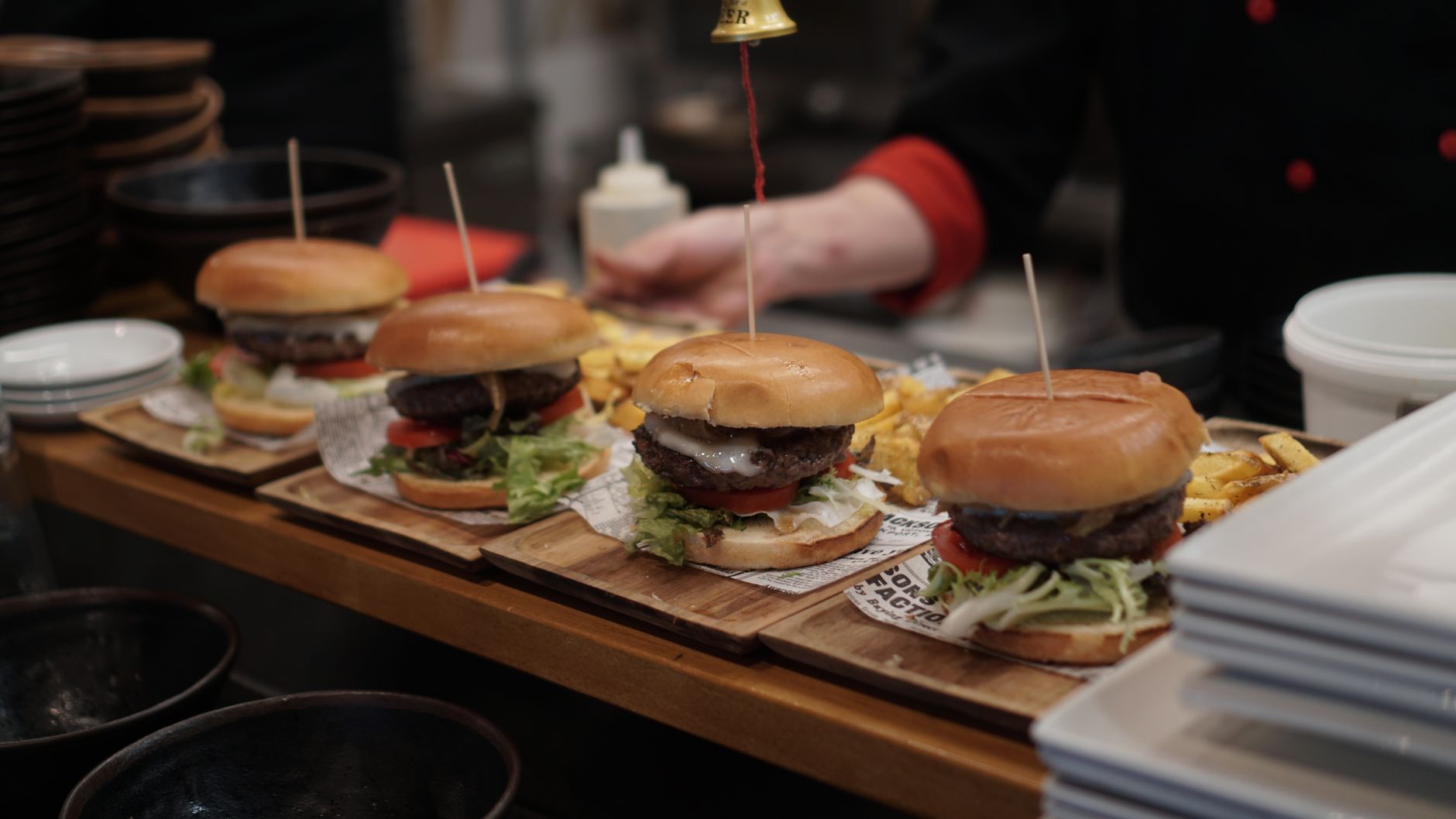
Local diners were caught off guard by the announcement, which arrived with minimal advance notice. Reports originally published by SFGate detail how the business established a loyal following by serving handcrafted burgers, regional craft beers, and specialized sides. Over its seven year run, the venue transformed from a modest neighborhood counter into a widely recognized culinary destination for residents across the greater East Bay region.
The shuttering reflects broader structural challenges that continue to plague mid scale food service operators throughout Northern California. While fast casual chains and high end fine dining concepts have shown relative resilience, independent full service and fast casual spots face severe margin compression. Labor expenditures, commercial real estate leases, and raw ingredient costs have all climbed significantly higher over the past three years.
When the establishment first opened seven years ago, the regional food landscape was undergoing a major shift toward elevated comfort food. Consumers willingly paid a premium for locally sourced beef, house made sauces, and artisan brioche buns. However, the economic model supporting gourmet burger shops relies heavily on steady customer volume and healthy profit margins on side items and beverage sales.
In recent quarters, food beverage vendors across California have reported persistent inflation in core commodities such as wholesale beef, dairy, and cooking oils. At the same time, commercial utility rates and mandatory employee benefits have increased baseline overhead expenses. For an independent business operating a single location, absorbing these compounding price increases without pricing out regular patrons became an increasingly impossible balancing act.
In addition to inflation, changing urban mobility patterns have fundamentally altered weekday lunch traffic in suburban and commercial corridors. Many former daily commuters now work remotely or on hybrid schedules, reducing the dependable baseline foot traffic that suburban restaurants relied upon prior to 2020. Weekend rushes alone are rarely sufficient to offset slow weekday lunch shifts and rising static monthly rents.
The loss of this East Bay favorite is part of a wider wave of restaurant closures sweeping through Alameda and Contra Costa counties. Data from local business associations indicates that independent food service closures have outpaced new commercial lease signings throughout the current fiscal year. Operators cite prolonged negotiations with commercial landlords as a frequent trigger for sudden shutdowns.
When commercial leases reach their renewal terms, operators are often confronted with steep rate adjustments that reflect pre pandemic property valuations. For a venue operating on razor thin profit margins, a substantial rent increase can instantly render an otherwise functional business model unsustainable. Many proprietors choose to exit the market entirely rather than take on additional debt to cover lease renewals.
Furthermore, competition from national chains has intensified across Northern California. Large corporate restaurant groups possess greater supply chain leverage, allowing them to negotiate bulk purchasing discounts that single location operators cannot match. These corporate entities are also better capitalized to invest in proprietary mobile ordering apps, third party delivery integration, and automated kitchen hardware.
Diner behavior has also shifted noticeably in response to broader economic uncertainty and elevated menu prices across the board. Casual restaurant goers are choosing to dine out less frequently, or they are trimming their average check size by skipping drinks and appetizers. This trend directly undermines the profitability of gourmet burger spots, which depend heavily on high margin add ons to generate net income.
Third party delivery platforms have created additional complications for small restaurant owners. While these delivery applications expand a venue reach, the associated commission fees cut deeply into already slim profit margins. Operators who attempt to pass these extra costs directly to consumers risk facing customer backlash and reduced order volumes over time.
As independent establishments vanish from commercial strips, local municipalities face potential declines in sales tax revenue and commercial occupancy rates. Neighborhood business districts often rely on established dining anchors to drive general foot traffic for adjacent retail shops. The loss of a popular seven year old establishment creates an immediate vacancy that may prove difficult to fill in the current commercial real estate climate.
For local food enthusiasts and neighborhood residents, the closure serves as a stark reminder of the fragile state of independent dining. Fans of artisanal casual concepts should expect continued price adjustments and altered operating hours across remaining local eateries as owners attempt to stay solvent. Supporting favorite neighborhood spots during non peak weekday hours remains one of the most effective ways consumers can help independent venues manage overhead costs.
Looking ahead, diners in the East Bay will likely see more corporate fast casual concepts filling commercial vacancies left behind by departing local owners. As independent operators exit the market, the diversity of regional culinary offerings risks contracting in favor of standardized national brands. Patrons hoping to preserve unique local dining options must remain conscious of where they spend their food dollars in an increasingly challenging economic environment.
More from the Foodie Pundit Newsroom
- Conagra's taking on debt. Your pantry will feel it.
- Trader Joe's Recalls Organic Fresh Basil Over Salmonella Concerns
- Restaurant Foot Traffic Soars as Consumer Appetite Drives Sector Growth Spurt
- Asda Slashes Prices on Over 200 Grocery Items to Combat Discounters
- The High Economic and Health Cost of the Viral Lobster Tan Trend