Restaurant Foot Traffic Soars as Consumer Appetite Drives Sector Growth Spurt
Increased guest foot traffic across dining segments is fueling operator confidence, driving new location openings, and reshaping industry forecasts.
By Foodie Pundit Newsroom - Published - Updated - Section: Restaurant Openings
Key points
- Guest counts across fast-casual and full-service restaurants are surging, creating a stabilizing force against labor and ingredient inflation.
- Consumers continue to prioritize experiential spending on food and beverage over hard goods purchases.
- Operators are reinvesting positive cash flows into technological upgrades, store redesigns, and footprint expansions into suburban markets.
- Higher traffic volume will likely require diners to book reservations earlier and adapt to busier dining environments.
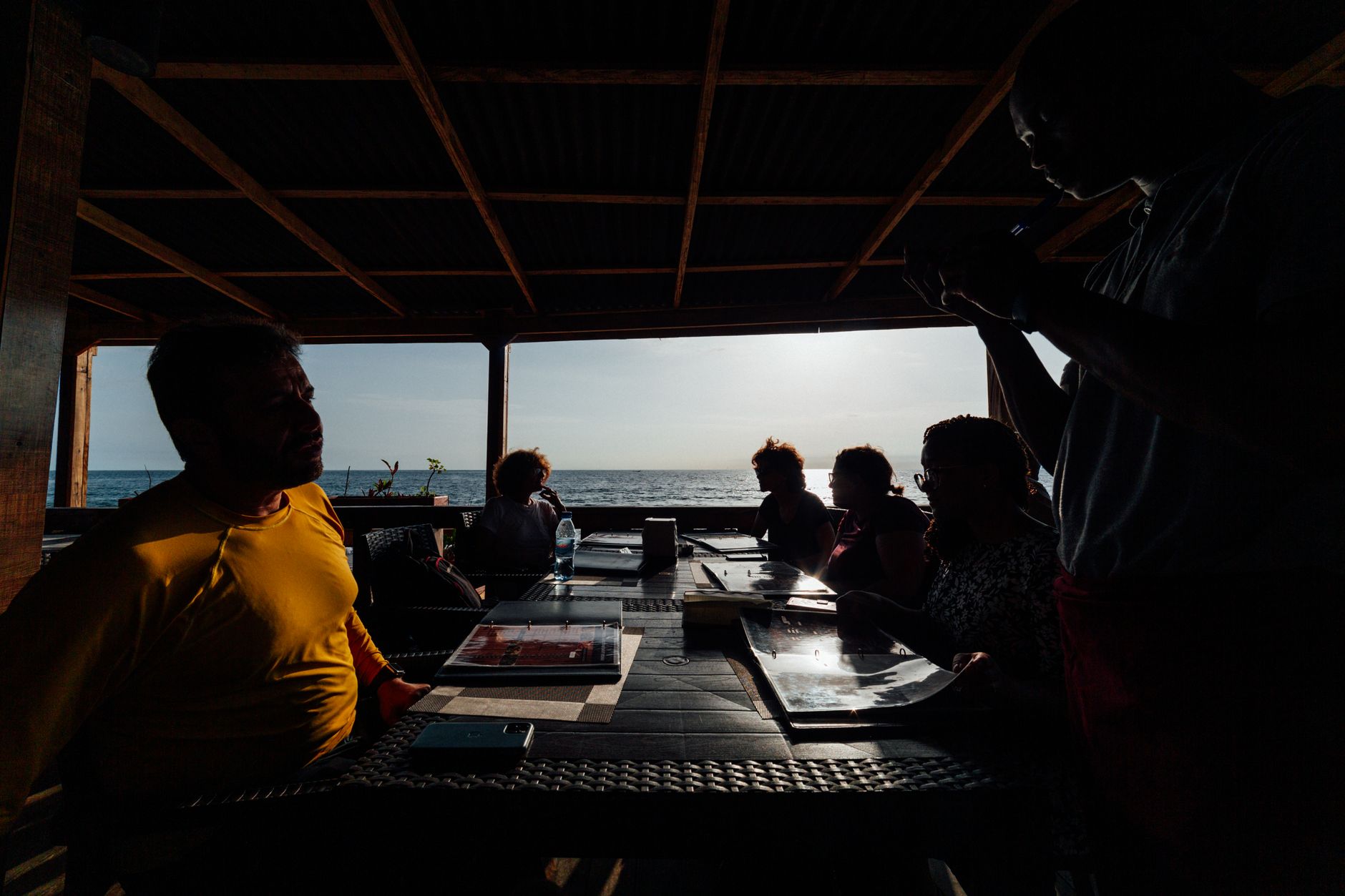
The restaurant sector is experiencing a significant operational shift as foot traffic returns to levels not seen in several years. Industry analysts and operators report that consumer demand for dining out is rising across virtually every service category. From casual eateries to high-end dining rooms, guest counts are climbing as household spending patterns recalibrate toward experiential purchases.
Recent industry data highlighted by Nation's Restaurant News indicates that this momentum is reshaping economic forecasts for the food service landscape. Operators who spent recent years navigating elevated labor expenses, supply chain bottlenecks, and persistent inflation are now seeing volume gains help offset those overhead pressures. The return of consistent guest volume provides a stabilizing force for margins that had been squeezed by cost increases across raw ingredients and kitchen utilities.
The surge in traffic is not confined to standard weekend peak hours. Operators report broader distribution of guest visits throughout the week, including boosted weekday lunch business and late-night dining receipts. This pattern suggests that changing workplace schedules and flexible lifestyle routines are encouraging consumers to eat out more frequently outside of traditional peak dining windows.
Several distinct factors are fueling this appetite for dining out. Household savings allocations toward leisure and entertainment remain resilient despite broader macroeconomic uncertainty. Consumers continue to prioritize social gatherings and culinary experiences over material goods purchases, reinforcing the restaurant as a primary hub for communal life.
Additionally, menu innovation and expanded promotional offerings have successfully enticed diners back into dining rooms. Many chains and independent concepts have refreshed their beverage programs, introduced limited-time menu items, and streamlined digital loyalty rewards to drive repeat visits. These strategies appear to be paying off by increasing guest frequency among both core patrons and casual diners.
According to reporting from Nation's Restaurant News, the appetite for food adventures extends beyond standard value offerings. Guests are displaying a marked willingness to spend on unique flavor profiles, premium ingredients, and immersive restaurant concepts. This willingness to trade up on select menu categories has helped boost the average check size even as overall traffic counts expand.
To accommodate higher guest volume without compromising service standards, operators are fine-tuning front-of-house and back-of-house workflows. Kitchen automation, upgraded point-of-sale systems, and cross-trained staff are helping kitchens process orders faster during high-volume pushes. These efficiency measures are critical for maintaining food quality and turnover speed when dining rooms operate near capacity.
At the same time, managing inventory and staffing models requires precise forecasting to avoid bottlenecks. Supply chain reliability has improved relative to previous years, but sudden spikes in demand for specific high-end protein cuts or imported specialty items can still test supplier networks. Restaurant management teams are increasingly leveraging predictive analytics software to match prep lists and shift rosters with incoming traffic trends.
The physical layout of dining rooms is also evolving to handle dual streams of on-premises guests and digital pickup orders. Many expanding brands are redesigning entryways and host stands to prevent congestion near main entrances. By creating dedicated spaces for delivery couriers and takeout patrons, operators preserve a comfortable environment for seated guests who expect an unhurried dining experience.
With customer volume trending upward, many restaurant groups are reigniting capital expenditure plans that were previously paused. Financial lenders and private equity investors are showing renewed confidence in hospitality concepts that demonstrate strong unit-level economics and sustained traffic growth. This influx of capital is funding lease acquisitions, equipment upgrades, and brand expansions into new regional markets.
Suburban and secondary metropolitan markets are seeing particularly strong development activity. As population shifts continue to settle, suburban retail centers have become prime locations for new restaurant builds. Operators entering these areas often report lower real estate overhead combined with steady residential demand, making suburban expansions an attractive vector for overall business growth.
The competitive landscape is nevertheless intensifying as operators fight to capture a larger share of consumer wallet spend. Established national brands are competing directly with nimble regional concepts for prime real estate and skilled culinary talent. Independent operators are leaning heavily into localized marketing and chef-driven menus to build distinct brand identities that ward off market saturation.
For the everyday diner, a booming restaurant industry translates to broader culinary variety, revitalized neighborhood commercial districts, and more dynamic dining concepts. As operators invest capital back into their properties, guests can expect upgraded store designs, polished service standards, and creative seasonal menus designed to earn their repeat business.
However, higher foot traffic also means that popular establishments will fill up faster during prime meal hours. Diners may notice longer wait times without advance reservations, particularly during weekend dinner shifts. Securing tables at high-demand spots will increasingly require planning ahead or taking advantage of off-peak dining hours.
While increased volume helps operators manage their costs without relying solely on price hikes, consumers should still anticipate selective price adjustments on premium menu items. Overall, the surge in restaurant traffic ensures that the food service ecosystem remains vibrant, innovative, and deeply integrated into daily consumer life.
More from the Foodie Pundit Newsroom
- Asda Slashes Prices on Over 200 Grocery Items to Combat Discounters
- The High Economic and Health Cost of the Viral Lobster Tan Trend
- Gen Z Drives Permanent Shift Toward Premium Non-Alcoholic Beverage Market
- WHO IS THIS COMPANY Too Pretty Good Eats just trademarked its brand
- WHO IS THIS COMPANY A new trademark filing offers a taste of a new shaved ice company.