Fast Casual Concepts Dominate Dining Out as Consumer Preferences Shift
Shift in consumer economics elevates quick-service models with higher quality ingredients and transparent pricing over traditional sit-down dining.
By Foodie Pundit Newsroom - Published - Section: Restaurants
Key points
- Fast casual dining is outpacing traditional full-service and standard fast-food restaurants by offering higher culinary quality at moderate prices.
- Inflation and high tipping expectations at full-service spots have narrowed the price gap between traditional fast food and premium quick-service dining.
- Streamlined operational models, customized menu choices, and robust digital pick-up infrastructure are driving record throughput for operators.
- Consumers benefit from faster service, better ingredient transparency, and tailored nutrition choices without table service overhead.
The restaurant industry is experiencing a seismic shift in consumer preferences, with fast casual concepts taking center stage across the nation. While traditional full-service dining establishments and standard fast-food outlets struggle with inflation and shifting consumer habits, the middle ground of fast casual is thriving. Industry reports from Nation's Restaurant News highlight how these elevated quick-service operators are capturing a growing share of wallet from diners who demand both speed and high quality.
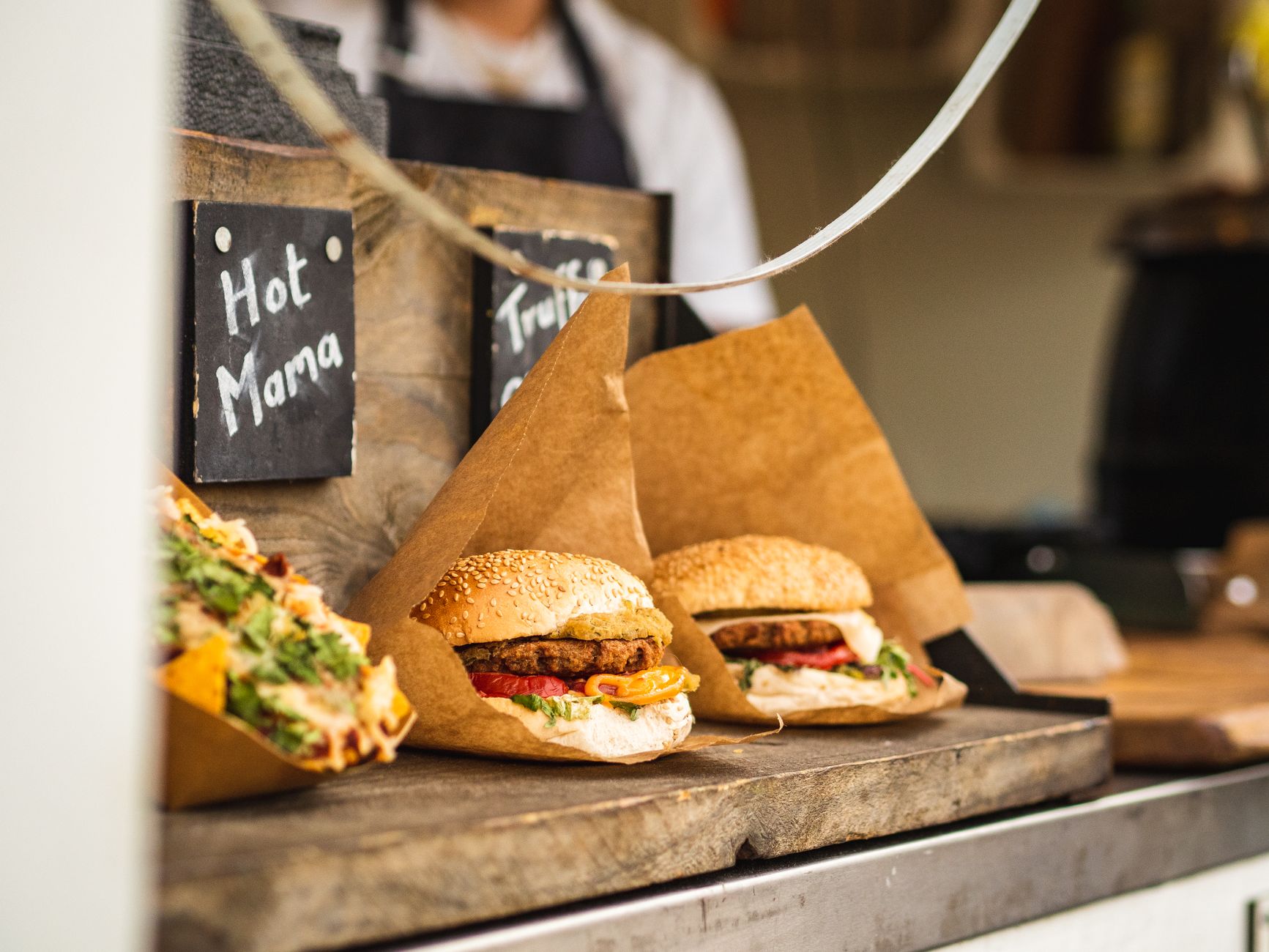
This segment of dining bridges the gap between traditional fast food and casual sit-down restaurants. Consumers step up to a counter to order fresh meals customized to their preferences, avoiding the higher costs associated with full table service. The model eliminates server tips and long wait times while delivering meals that rival classic sit-down spots in ingredient quality and culinary presentation.
driving factors behind this shift include changing workforce habits, hybrid schedules, and heightened consumer demand for value. Dining habits have transformed dramatically as more workers operate on flexible schedules, shifting lunch traffic into variable time slots throughout the day. Fast casual concepts excel at accommodating these changing routines with rapid throughput and strong digital ordering infrastructure.
Inflation has redefined how diners evaluate value when choosing where to spend their food dollars. Standard fast-food prices have escalated dramatically over recent years, narrowing the historical cost gap between low-end quick-service spots and premium fast casual operators. Diners now find that spending a few extra dollars at a fast casual chain yields vastly superior food quality, larger portions, and better dietary customization.
The elimination of traditional table service fees and tip expectations also reshapes consumer math. When dining out at a traditional sit-down restaurant, a meal often carries an implicit twenty percent gratuity on top of higher base menu prices. Fast casual eliminates that added expense, making a high-end grain bowl, gourmet burger, or specialty salad feel vastly more affordable by comparison.
Recent financial tracking referenced by Nation's Restaurant News indicates that top-tier fast casual brands continue to post positive guest traffic numbers while full-service dining experiences a nationwide plateau. Investors and operators are responding by funneling new capital into expanding fast casual footprints, opening locations in suburban strip centers, urban hubs, and mixed-use real estate developments.
OPERATIONAL EFFICIENCY AND DIGITAL INNOVATION
The backend architecture of fast casual restaurants gives operators a major structural advantage over traditional dining rooms. Kitchen layouts are engineered for maximum speed, using assembly line assembly techniques that optimize labor productivity. This setup enables higher order throughput per square foot, allowing operators to handle massive volume spikes during peak lunch and dinner hours.
Digital ordering platforms, mobile apps, and dedicated pick-up lanes have further boosted sales for fast casual operators. Many modern fast casual designs allocate dedicated space for third-party delivery drivers and digital pick-up racks. This seamless integration of technology minimizes operational friction and allows store footprints to generate high sales volumes without expanding physical seating areas.
Labor costs remain a major hurdle for the entire hospitality industry, but fast casual concepts mitigate this pressure through streamlined staffing. By eliminating host stands, dedicated busing crews, and formal waiter roles, these brands operate with significantly lower overall headcounts. The front-of-house staff focuses primarily on customer assembly, cash register operations, and basic dining room maintenance.
Modern consumers demand transparency regarding ingredients, sourcing, and nutritional profiles, areas where fast casual brands excel. Traditional fast food menus often rely heavily on frozen ingredients, deep frying, and ultra-processed components. Fast casual kitchens frequently showcase open prep areas where customers can watch fresh vegetables being chopped and meats being grilled in real time.
Customization forms the cornerstone of the fast casual dining experience. Build-your-own bowls, wraps, and salads allow diners to tailor meals precisely to their personal preferences or health mandates. Whether a guest follows a keto, vegan, gluten-free, or high-protein diet, fast casual concepts easily accommodate these specific choices without slowing down kitchen operations.
This adaptability extends to ethnic and global flavor profiles that were once rare in quick-service formats. Mediterranean bowls, Korean barbecue tacos, Indian street food, and authentic street-style tacos have all successfully migrated into fast casual operational models. Consumers get access to vibrant global cuisines served in an approachable, fast, and moderately priced format.
For the everyday diner, the ascent of fast casual means access to higher quality food without the premium price tag or time commitment of sit-down service. You get full control over your dining schedule, menu ingredients, and overall budget. The format allows you to prioritize high quality nutrition and fast service without feeling squeezed by mandatory tipping or slow turnaround times.
As operators continue to expand these concepts into more neighborhoods, your options for fast, high-quality weeknight dinners and quick business lunches will continue to multiply. Expect to see traditional fast-food chains attempt to copy fast casual kitchen practices, while sit-down concepts streamline their own operations to compete for your dining dollars. In the evolving restaurant marketplace, the consumer who values efficiency, quality, and price transparency comes out ahead.
Sources and methodology
Reported from the public datasets below.
More from the Foodie Pundit Newsroom
- Papa Johns Speeds Up Tech Overhaul to Boost Digital Sales and Loyalty Engagement
- Raleigh Welcomes All-Day Downtown Venue as Hybrid Hospitality Models Take Center Stage
- Viral Summer Drink Lineup Highlights Starbucks Strategy for High-Margin Cold Beverage Growth
- Downtown Raleigh Hospitality Concept Bets on the All-Day Dining Trend
- Papa Johns CFO Outlines Tech-Driven Growth Strategy as Digital Sales Surge