Fast Casual Concepts Lead Restaurant Industry Growth Through Quality and Value
How modern quick-service concepts are dominating the restaurant industry by offering high-quality customization, speed, and compelling value.
By Foodie Pundit Newsroom - Published - Section: Restaurants
Key points
- Fast casual chains are outperforming both fast food and full-service dining by delivering speed and culinary quality.
- Rising menu prices across traditional fast food have narrowed the price gap, driving consumers toward higher quality fast casual options.
- Customizable build-your-own menus and global flavor profiles are capturing strong demand from younger consumers.
- Early adoption of digital ordering technology and mobile loyalty programs continues to drive operational efficiency and customer retention.
The broader dining landscape has faced a chaotic few years marked by inflation, changing consumer habits, and rising labor costs. Yet, beneath the headlines of restaurant closures and squeezed profit margins, one specific category continues to expand at a rapid pace. Fast casual dining, the segment positioned directly between traditional fast food and full-service casual dining, is outperforming almost every other sector in the industry. Restaurant brands that offer higher quality ingredients, customizable options, and modern technology are seeing sustained foot traffic and revenue growth.
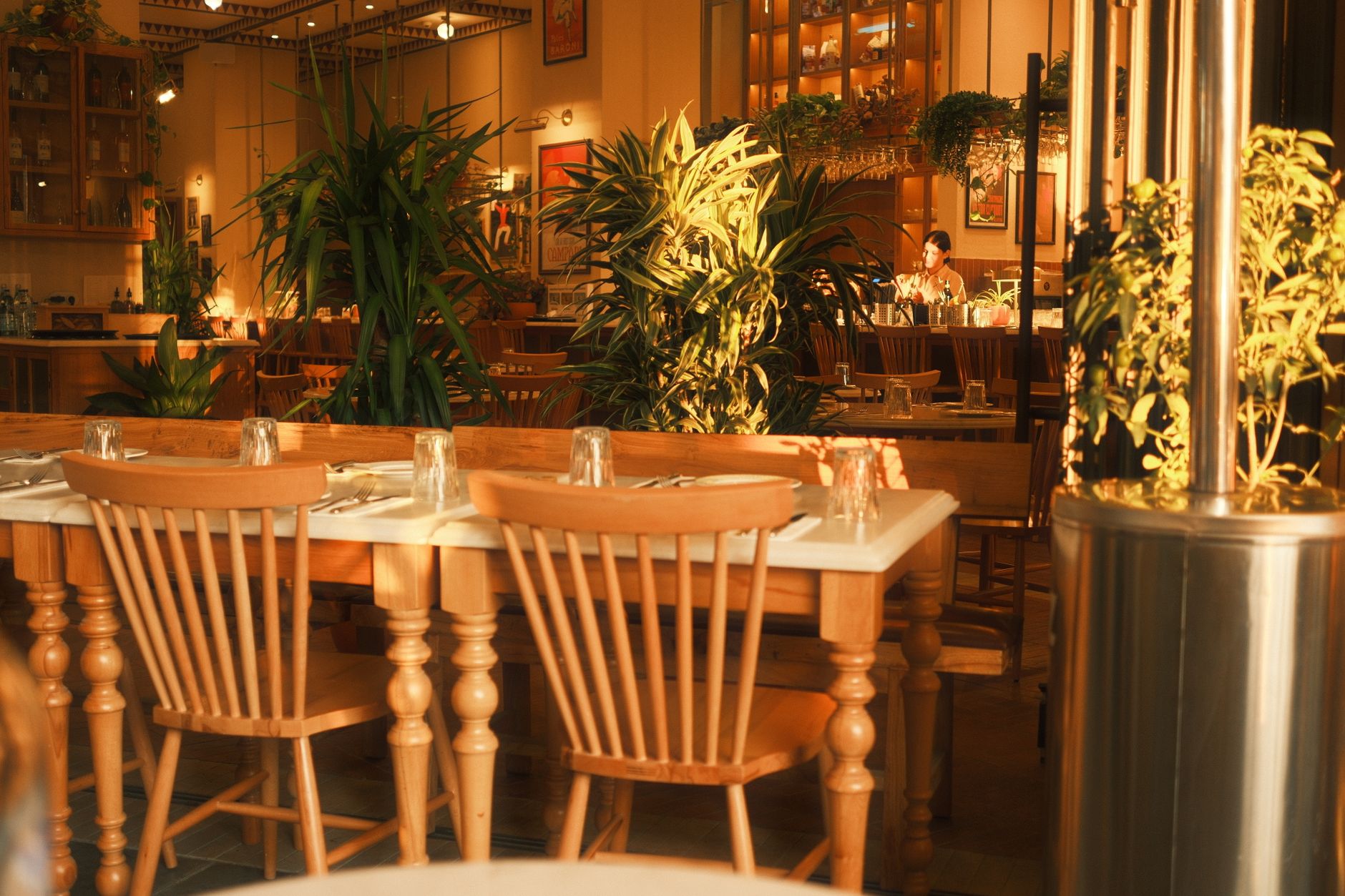
Recent reporting from Nation's Restaurant News highlights how these quick-service hybrids have managed to capture the cultural momentum. While full-service sit-down chains struggle with high menu prices and long dining times, fast casual brands offer speed without forcing customers to compromise on culinary standards. Guests receive hospitality-driven meals served in a relaxed, design-forward setting, often for significantly less than a traditional sit-down experience. This balance of convenience and perceived value has made fast casual the preferred format for modern diners.
The success of fast casual concepts rests largely on their unique value proposition in an inflationary environment. Over the past three years, menu prices across the entire food service spectrum have risen sharply due to supply chain volatility and increased labor expenses. Traditional fast food, long prized solely for its affordability, has seen some of the highest percentage price hikes, narrowing the cost gap between quick-service drive-thrus and fast casual dining rooms. Consumers who once chose low-cost fast food are realizing that for just a few dollars more, they can purchase higher quality, fresher meals at a fast casual establishment.
At the same time, full-service casual dining concepts are losing customers who want to avoid the extra time and expense associated with tipped waitstaff. Fast casual operators eliminate table service, allowing guests to order at a counter or through a smartphone app while still enjoying a clean, upscale dining environment. This operational model reduces overhead costs for operators and saves valuable time for busy consumers. By bridging the gap between convenience and quality, fast casual brands have effectively redefined what value means to contemporary restaurant patrons.
Another major catalyst behind the fast casual boom is the demand for menu customization and diverse culinary flavors. Modern consumers, particularly younger demographic groups, overwhelmingly prefer customizable meal options that fit specific dietary preferences, such as vegan, gluten-free, or high-protein diets. Fast casual concepts pioneered the build-your-own model, popularizing assembly-line style service where guests select their own grains, greens, proteins, and sauces. This level of personalization creates a sense of ownership over the meal and ensures high customer satisfaction.
Furthermore, fast casual operators have emerged as the primary incubators for global culinary trends in the American dining scene. Concepts focusing on Mediterranean bowls, Korean barbecue, modern Mexican street food, and gourmet Mediterranean wraps have scaled successfully across the country. These concepts bring complex, vibrant flavor profiles into mainstream suburban developments and urban centers alike. By making regional and international cuisines accessible, affordable, and quick, fast casual brands have turned daily lunch breaks into culinary explorations.
Technology integration has served as a powerful engine for fast casual expansion, allowing operators to optimize throughput and collect valuable consumer data. Unlike legacy quick-service brands that relied heavily on traditional drive-thru lanes, fast casual concepts embraced digital ordering channels early. Mobile apps, online ordering portals, and integrated loyalty programs allow customers to skip line queues entirely, picking up their pre-paid meals from designated shelves or secondary pickup lanes. This digital infrastructure dramatically increases store capacity beyond the physical footprint of the dining room.
This technological pivot has also unlocked immense operational efficiency for operators behind the counter. Advanced kitchen display systems order ticket flow based on prep time, ensuring that meal components remain fresh and warm upon customer arrival. Furthermore, robust mobile loyalty programs provide brands with deep analytics regarding customer frequency, item preferences, and spend levels. Fast casual chains leverage this data to send targeted promotions and design personalized menu recommendations, cultivating strong brand loyalty and encouraging repeat visits.
For the average consumer, the continued dominance of fast casual dining translates to better everyday eating options at accessible price points. As traditional full-service dining becomes increasingly expensive and fast food loses its historical cost advantage, fast casual spots offer a reliable middle ground. Diners can expect to see an even wider array of international flavor profiles, high-quality ingredients, and healthy menu offerings popping up in retail centers near their homes and workplaces.
Additionally, diners will benefit from ongoing technological convenience as these concepts refine their digital ecosystems. Streamlined mobile apps, frictionless loyalty rewards, and dedicated pick-up shelves mean you can secure a custom, restaurant-quality meal with minimal wait time. While overall dining budgets may stay tight due to economic headwinds, the fast casual segment ensures that eating out quickly does not require sacrificing flavor, freshness, or personal choice.
Sources and methodology
Reported from the public datasets below.
More from the Foodie Pundit Newsroom
- Glasgow Omakase Craze Highlights Growing Demand for Luxury Experiential Dining
- Taco Bell Launches Cantina Chicken Lineup to Challenge Fast Casual Competitors
- Miso Salmon Emerges as the Ultimate Economic Upgrade for Weeknight Seafood
- How Miso Salmon Is Redefining The Economics Of Weeknight Home Cooking
- Kroger Drops Prices on Over 1,000 Grocery Essentials in Summer Value Push