Foodie Pundit

Fast Food Chains Revive Discount Menus As Diners Balk At Soaring Drive-Thru Prices

Major chains are reviving discounted value menus to lure back budget-conscious diners facing persistent economic pressures.

By Foodie Pundit Newsroom - Published - Updated - Section: Chain Watch
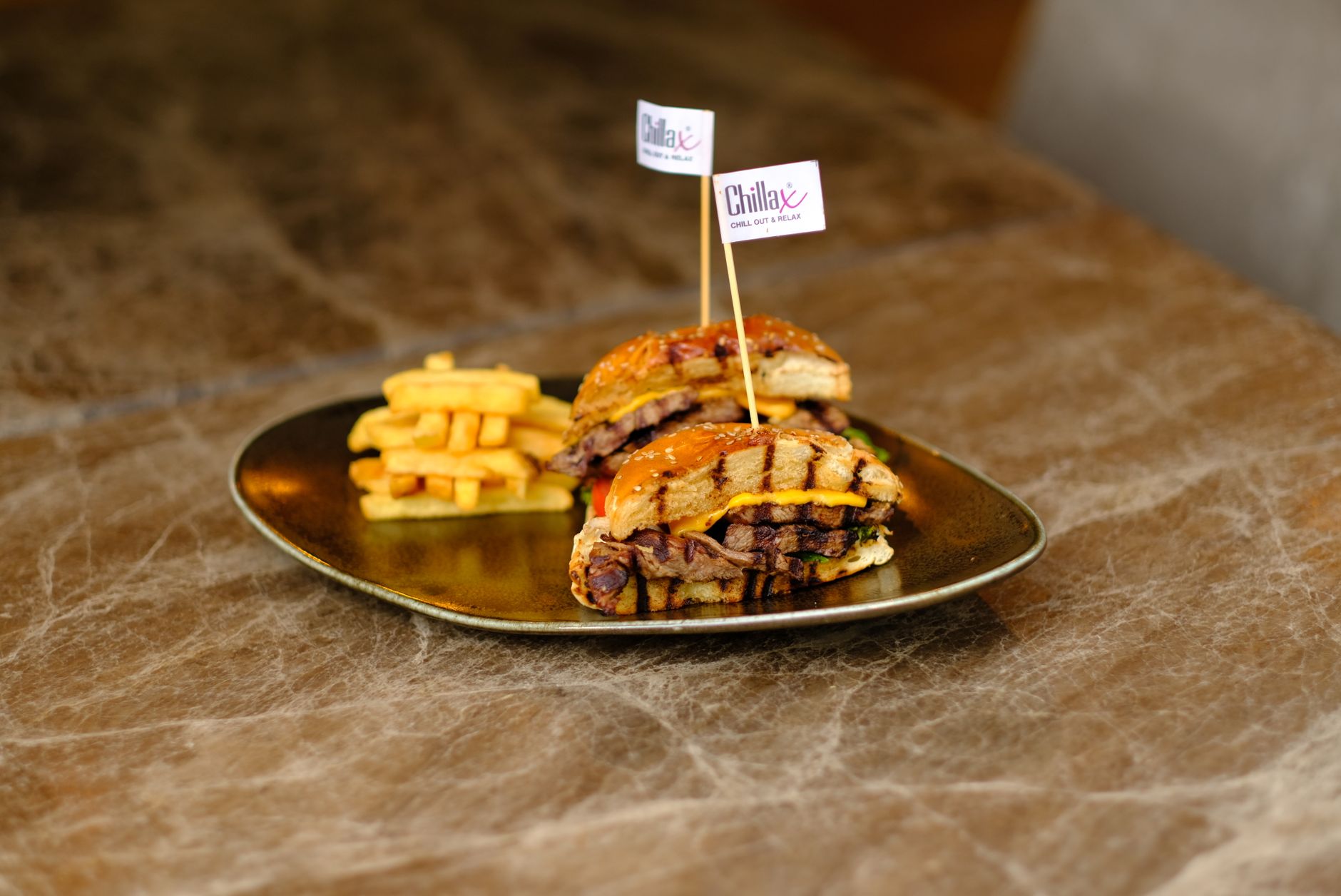
Fast Food Chains Revive Discount Menus As Diners Balk At Soaring Drive-Thru Prices

Key points

  • Fast food chains are shifting focus from high average checks back to driving customer traffic through discounted meal bundles.
  • Lower income consumers reducing restaurant visits triggered the industry wide push toward aggressive value pricing.
  • Digital loyalty apps are the primary channel for delivery of top tier promotional deals and personalized discounts.
  • Franchisees face potential margin squeezes, relying on higher transaction volume to offset lower profitability per order.

Major quick service chains are recalibrating their daily value offerings as inflation-weary consumers cut back on discretionary spending. For nearly two years, fast food operators prioritised premium menu items and higher check sizes to offset rising labor and commodity costs. That strategy is now shifting dramatically as traffic numbers turn negative across the sector.

According to reporting by Nation's Restaurant News, national chains are resurrecting low-cost promotional bundles and entry-level price points reminiscent of the classic dollar menu era. Franchisees and corporate executives are finding that price sensitive diners have reached a ceiling on what they will pay for standard drive-thru meals. Consequently, value menus are becoming the primary battlefield for market share.

The return to aggressive discounting marks a pivot from recent years when brands relied on pricing power to drive top-line revenue growth. While higher prices initially boosted average check figures, total visit counts began to soften in late 2023. Restaurant operators now recognise that maintaining customer frequency requires explicit, predictable value propositions.

SHIFTING CONSUMER DEMOGRAPHICS AND SPENDING HABITS

The drive toward cheaper menu options is largely fueled by lower income households reducing their restaurant visits. Market research indicates that consumers earning under 50,000 dollars annually have pulled back significantly on out-of-home dining. To win back these lapsed guests, chains are reintroducing core items at price points designed to undercut home cooking costs.

However, price cuts alone are not the sole tactic being employed by fast food marketing teams. Operators are structuring value meals around bundled combinations that maintain profit margins while offering high perceived value. These meal deals typically pair a core protein item with a side and a beverage at a fixed, discounted price point.

Digital channels and loyalty apps are also playing a crucial role in how these discounts are delivered to consumers. By gating certain value deals behind mobile applications, brands can collect valuable customer data while target marketing specific promotions. This strategy allows operators to protect their margin on walk-up transactions while still appealing to deal-seeking app users.

While consumers welcome the return of budget-friendly menu tiers, restaurant operators face significant margin compression. Wage mandates in major markets have increased fixed operating costs, making ultra-cheap menu items difficult to turn a profit on individually. Franchisees must rely on higher foot traffic and add-on purchases to offset reduced margins per transaction.

Industry analysts noted in Nation's Restaurant News that successful value strategies depend on high volume to break even. If a low-priced promotion simply cannibalizes full-priced menu sales without driving additional visits, franchisee profitability suffers. As a result, many operators are limiting the duration of extreme discount offers or restricting them to specific times of day.

Supply chain stabilization has provided some relief to operators trying to balance food costs against lower menu prices. Softening wholesale prices for key ingredients like chicken, pork, and cooking oils have given brands slightly more headroom to run promotional pricing. Nevertheless, beef and produce prices remain elevated, forcing chains to be selective about which core items anchor their value menus.

The resurgence of value pricing is creating a ripple effect across the entire fast food landscape. When one market leader launches a prominent meal deal, direct competitors are forced to respond quickly to protect their market share. This competitive dynamic has triggered a promotional cycle that spans burger, chicken, and Mexican quick service categories.

Casual dining chains are also watching these developments closely as the price gap between fast food and sit-down dining narrows. As fast food combo meals approached twelve to fifteen dollars in many urban markets, casual dining operators successfully poached value-conscious guests with ten dollar lunch specials. The current fast food price adjustments are intended to re-establish the traditional price distinction between quick service and sit-down establishments.

Industry observers expect this intense promotional climate to persist through the remainder of the fiscal year. As long as broader economic uncertainty weighs on consumer confidence, restaurant brands will rely heavily on value messaging to drive store traffic. The chains that successfully balance traffic volume with sustainable operator margins will emerge from this price war with expanded market share.

For everyday consumers, the current market dynamic creates immediate opportunities to stretch dining dollars further. You can expect to see an increasing variety of bundled meal deals under six dollars at major drive-thru locations over the coming months. Downloading restaurant loyalty apps will unlock the deepest discounts, as brands reserve their best promotional pricing for registered digital users.

To maximize your savings, compare promotional combo offers across competing chains before ordering, as brands frequently match or undercut regional competitor pricing. Be mindful that individual franchisees may opt out of national value promotions or adjust regional pricing based on local labor costs. Checking app menus prior to visiting ensures you receive advertised promotional rates at your specific location.

Sources and methodology

Reported from the public datasets below.

All sources Foodie Pundit reports from

More from the Foodie Pundit Newsroom

Permalink