Glasgow Dining Scene Embraces Premium Omakase Trend As Specialty Seafood Concepts Expand
A new omakase bar opens in Glasgow as high-end experiential dining gains strong momentum across Scotland's restaurant industry.
By Foodie Pundit Newsroom - Published - Section: Luxury Dining
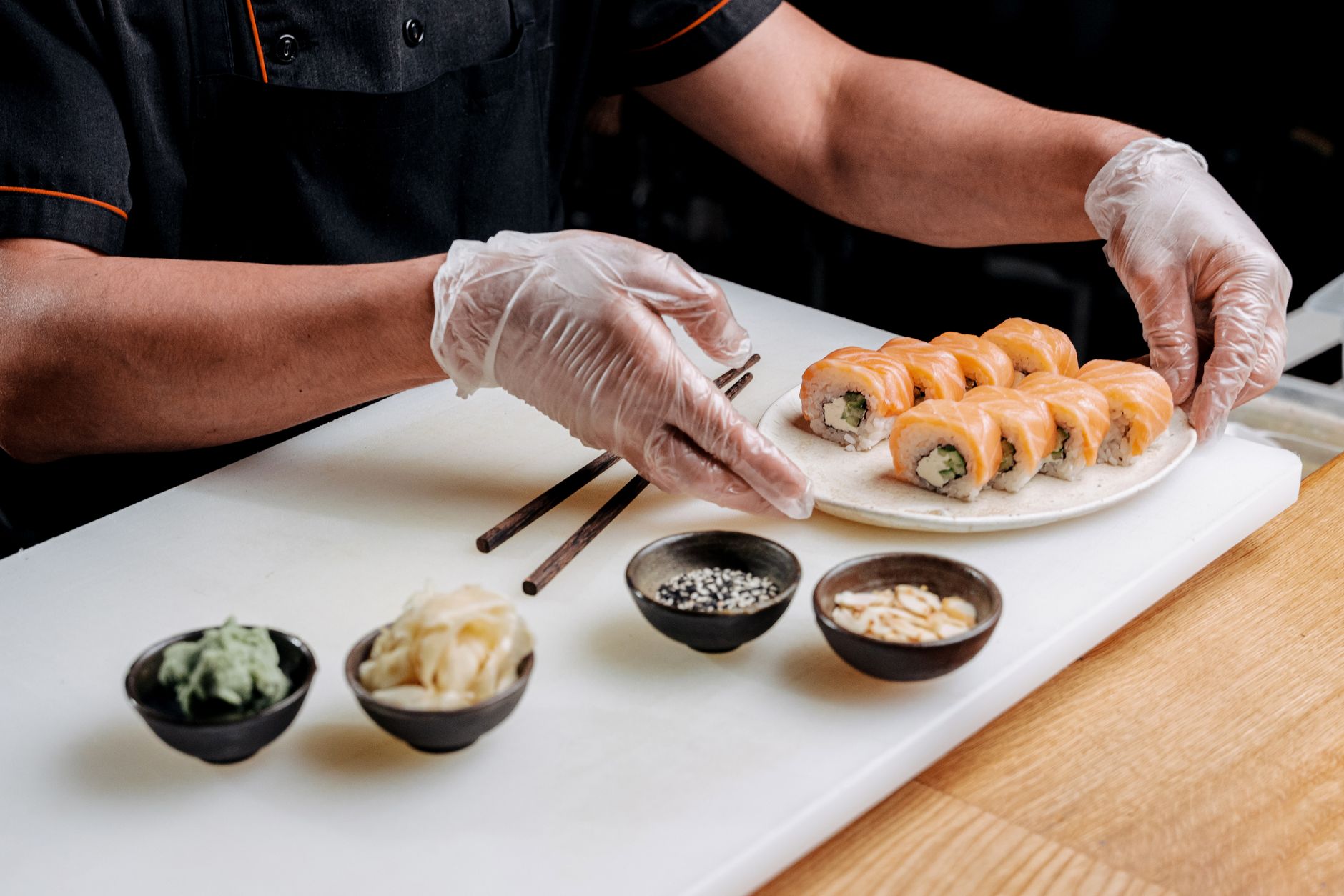
Key points
- Intimate omakase concepts help operators reduce food waste through controlled, fixed-menu seatings.
- Scotland's dining public is increasingly prioritizing high-end experiential dining over casual volume.
- Regional cities like Glasgow are proving viable for luxury culinary formats previously concentrated in London.
- A blend of local Scottish seafood and imported Japanese specialty fish supports menu sustainability.
SCOTTISH DINING SCENE EXPANDS HIGH END SUSHI OFFERINGS
The hospitality sector in Glasgow is undergoing a notable shift as specialized Japanese dining concepts gain a stronger foothold in the city center. Local diners and industry observers have reported a surge in interest surrounding intimate, chef-led dining experiences that focus heavily on high quality ingredients and traditional preparation techniques. The recent arrival of a dedicated omakase sushi bar has drawn fresh attention to the region's evolving palate and the commercial viability of niche culinary models.
Reporting from Glasgow Live highlights that consumers are increasingly seeking immersive, multi-course meals where the menu is left entirely to the discretion of the executive chef. The term omakase, which translates roughly to leaving the choice to the chef, relies on seasonal sourcing and direct interaction between the cook and the guest. This model allows operators to streamline inventory costs while offering a premium product that commands higher ticket prices.
THE RISE OF EXPERIENTIAL RESTAURANT CONCEPTS
For decades, mainstream Japanese cuisine in major Scottish cities was largely confined to casual noodle bars, conveyor-belt chains, and mixed Asian fusion venues. While those establishments continue to maintain steady foot traffic, changing consumer demographics are driving demand for more authentic and exclusive formats. Guests are showing a willingness to pay a premium for specialized service, smaller seating capacities, and curated beverage pairings.
Industry analysts point out that small-footprint venues specializing in omakase present a unique financial model for independent restaurateurs. By limiting counter seating to a dozen patrons or fewer per seating, operators can maximize space efficiency in high-rent urban corridors. Furthermore, fixed tasting menus drastically reduce food waste, allowing kitchens to order precise quantities of highly perishable, luxury seafood ingredients like bluefin tuna, sea urchin, and fresh scallops.
NAVIGATING SUPPLY CHAIN CHALLENGES IN SCOTLAND
Operating an authentic Japanese seafood counter in Western Europe presents distinct logistical hurdles that restaurant managers must constantly navigate. Securing sushi-grade fish requires robust relationships with specialized seafood distributors across Europe and directly from Japanese markets. While Scotland possesses world-class domestic seafood, including wild salmon and langoustines, certain traditional sushi staples must be imported under strict cold-chain conditions.
Rising freight costs and shifting import regulations have forced operators to balance authentic Japanese imports with high-grade local catches. Successful establishments are leaning into this hybrid supply chain strategy, featuring locally harvested Scottish shellfish alongside imported specialty items. This operational flexibility helps protect profit margins against unpredictable global trade fluctuations while preserving the integrity of the dining experience.
CHANGING CONSUMER SPENDING HABITS IN URBAN CENTERS
The expansion of high-end dining options comes at an intriguing time for the broader food and beverage industry. Despite inflationary pressures affecting overall discretionary spending, luxury experiences within the food sector have shown remarkable resilience. Consumers who may be scaling back on frequent casual dining out are often choosing to reallocate their budgets toward rarer, memorable night-out events.
Urban dining hubs like Glasgow have benefited from this shift in consumer behavior, attracting diverse investment from both local hospitality groups and international concept creators. The success of specialized counters indicates that diners are actively seeking educational and interactive elements alongside their meals. Sitting face-to-face with a sushi master provides a level of entertainment and personal connection that standard table service simply cannot replicate.
THE COMPETITIVE LANDSCAPE FOR REGIONAL SUSHI OPERATORS
As more boutique culinary concepts establish themselves in secondary and tertiary markets, competition for discerning diners is intensifying across the United Kingdom. Established dining destinations in London were traditionally the sole hubs for hyper-specialized Japanese concepts, but regional capitals are rapidly closing that gap. Cities like Glasgow, Edinburgh, and Manchester are proving that strong local demand exists to support high-ticket, limited-capacity venues year-round.
This geographic expansion offers new growth vectors for talented chefs looking to establish their own brands outside of saturated primary real estate markets. Lower operating overheads in regional cities, combined with an eager and adventurous local clientele, create favorable conditions for culinary innovation. Restaurant groups that can maintain consistent sourcing and superior hospitality stand to gain long-term brand loyalty as regional dining tastes mature.
For everyday diners and food enthusiasts in Glasgow, the introduction of specialized omakase counters provides unprecedented access to authentic, top-tier Japanese culinary traditions without the need to travel to major international capitals. While these multi-course experiences typically carry a higher price point than standard neighborhood eateries, they offer superior fish quality, expert craftsmanship, and a uniquely personal dining environment.
For industry professionals and aspiring restaurateurs, the trend underscores the viability of hyper-focused, low-inventory business models in modern hospitality. Businesses that prioritize high-margin, experiential dining can build sustainable operation strategies even during economic uncertainty. As diner preferences continue to lean toward quality over volume, the presence of boutique counters is likely to become a permanent feature of Scotland's vibrant restaurant ecosystem.
Sources and methodology
Reported from the public datasets below.
More from the Foodie Pundit Newsroom
- Fast Food Breakfast Wars Heat Up as Chains Swap Donuts for Premium Cinnamon Rolls
- Caffeine Defies Inflation as Consumers Protect Their Daily Coffee Habit
- Grocery Inflation Shows Signs of Peaking but Consumers Advised to Expect High Baseline Costs
- Viral Two-Ingredient Desserts Highlight Changing Consumer Demand for Quick Kitchen Hacks
- Summer Dessert Economics Drive Bakery Menu Redesigns Across Industry