Glasgow Embraces Omakase Trend as Experiential Japanese Dining Expands
Glasgow welcomes a specialized omakase dining venue as consumer demand for intimate experiential gastronomy reshapes the local hospitality market.
By Foodie Pundit Newsroom - Published - Section: Luxury Dining
Key points
- Omakase dining relies on a fixed menu model that significantly reduces food waste and optimizes inventory control for restaurant operators.
- Consumer demand in Glasgow is shifting toward high engagement experiential dining over casual mid-market restaurant visits.
- Sourcing premium raw fish presents unique supply chain and import challenges that require precise operational logistics.
- The small counter format minimizes labor costs while maximizing revenue per square foot in urban dining spaces.
GLASGOW DINING SCENE EXPANDS WITH HIGH END OMAKASE
Scotland's largest city is experiencing a notable shift in its hospitality landscape as premium Japanese dining concepts gain a firm foothold among local consumers. According to reporting from Glasgow Live, a new omakase sushi venue has debuted in the city, signaling growing consumer appetite for intimate, multi-course culinary performances. This expansion reflects broader macroeconomic trends across the United Kingdom dining sector, where operators are increasingly pivoting toward experiential service models to combat rising overhead costs and changing consumer spending habits.
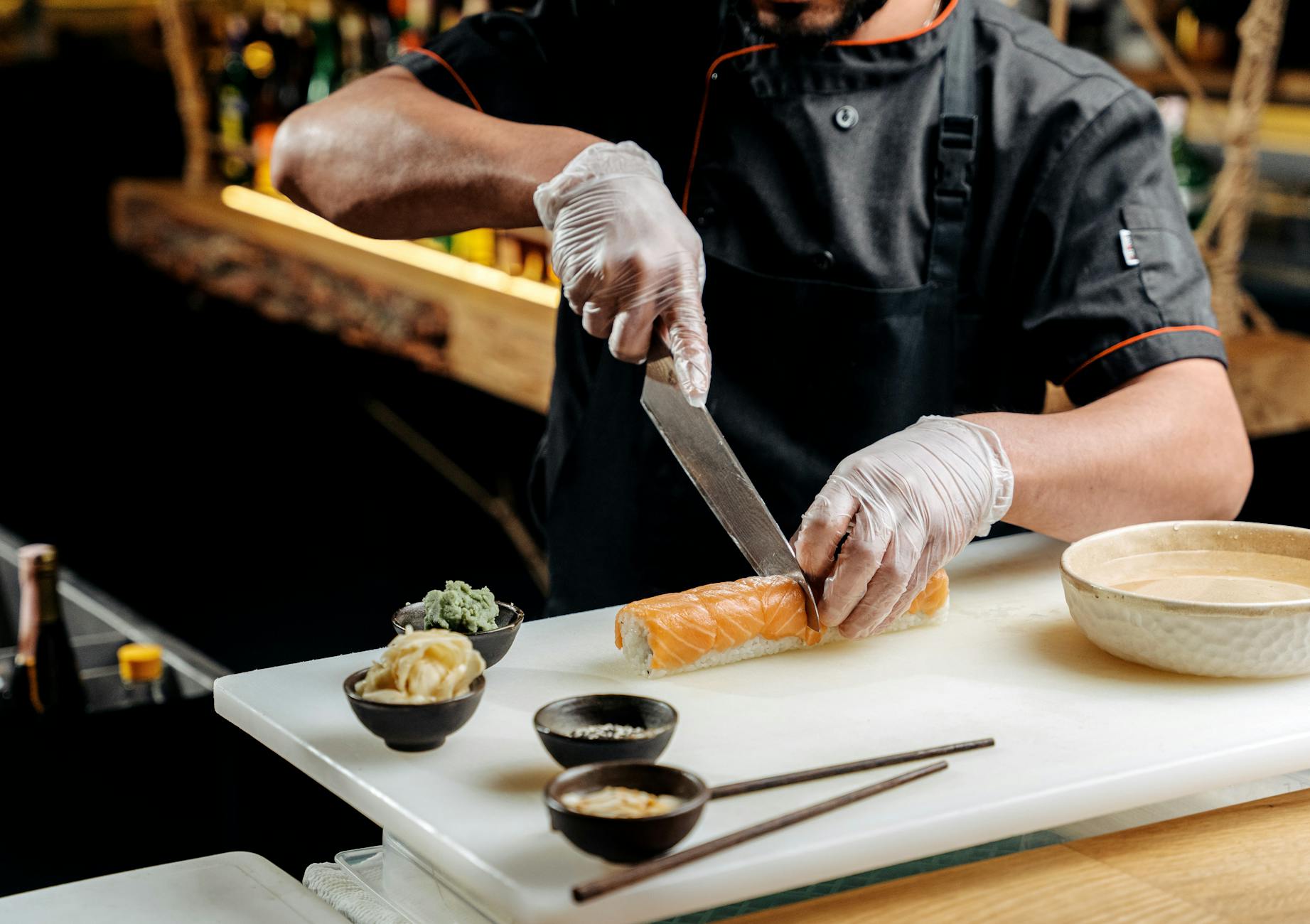
The omakase format, derived from a Japanese phrase meaning to leave the choice to the chef, relies on precise technique and seasonal seafood sourcing. Rather than ordering from a traditional printed menu, diners entrust the entire meal progression to the head chef, who prepares individual pieces of nigiri and small plates directly in front of a small group of guests. This structural arrangement inherently caps capacity, often limiting service to fewer than a dozen seats per seating period. By restricting foot traffic while elevating the average check size, operators can manage inventory waste with remarkable precision, a critical operational advantage in an era marked by volatile food costs.
For restaurant operators, the omakase framework presents a distinct set of unit economics compared to standard casual or fine dining establishments. Traditional sushi bars often suffer from high shrinkage and food waste due to the short shelf life of premium raw fish and the unpredictability of a la carte ordering. By contrast, an omakase counter operates on a fixed price, set menu model that allows kitchen teams to purchase exact quantities of specialized ingredients based on guaranteed reservations.
This high level of predictability enables small footprint venues to maximize revenue per square foot. Because guests sit around a centralized counter, front of house staffing requirements are minimized, allowing labor expenditure to be focused primarily on highly skilled culinary talent. While initial capital expenditure for top tier refrigeration and specialized Japanese cutlery remains high, the ongoing operational efficiency allows well managed omakase venues to achieve healthier profit margins than typical full service outlets.
CONSUMER DEMAND FOR EXPERIENTIAL HOSPITALITY
The arrival of new specialized sushi counters in Glasgow highlights a shift in post-pandemic consumer behavior across urban U.K. markets. Industry data indicates that while discretionary spending on routine mid-market dining out has faced pressure from inflationary headwinds, demand for memorable, high engagement social experiences remains surprisingly resilient. Diners who reduce their frequency of casual restaurant visits are often willing to reallocate those funds toward premium, event-style meals.
Omakase dining fits neatly into this experiential category. The interaction between chef and patron provides an educational element, as the culinary team frequently explains the provenance of the fish, the aging techniques employed, and the specific composition of the seasoned rice. This direct storytelling transforms a standard dinner into an interactive performance, offering a level of engagement that cannot be replicated by food delivery services or traditional table service environments.
LOGISTICAL CHALLENGES IN SEAFOOD PROCUREMENT
Operating an authentic omakase venue in Scotland requires a sophisticated supply chain capable of delivering extremely fresh, high grade seafood on a daily basis. While Scottish waters produce world class shellfish, salmon, and mackerel, traditional Japanese omakase menus also rely on specific species that must be imported directly from Tokyo's famous Toyosu Market or specialized European fish auctions.
Navigating these international supply chains presents ongoing logistical complexities for independent operators. Border inspection protocols, transport temperature monitoring, and currency fluctuations all impact the final landed cost of raw ingredients. Successful operators must strike a delicate balance between showcasing traditional Japanese delicacies and integrating premium local Scottish catch, such as hand dived scallops or langoustines, to maintain both authenticity and financial viability.
Glasgow's evolving food scene has historically been recognized for vibrant street food markets, robust pub culture, and accessible casual dining concepts. However, the introduction of specialized sushi counters demonstrates that the city's market maturity is expanding to mirror international trends seen in major metropolitan hubs like London, New York, and Tokyo.
This maturation benefits the local hospitality ecosystem by attracting specialized culinary talent and diversifying the city's tourist offerings. As more consumers demonstrate a willingness to invest in high touch dining, competing operators are encouraged to elevate their own sourcing standards and service protocols. The resulting cross pollination elevates overall industry benchmarks, fostering a more dynamic and competitive restaurant marketplace.
For local diners and food enthusiasts, the expansion of omakase concepts in Glasgow offers access to a sophisticated style of dining that was previously limited to larger global capitals. While the price point for these multi-course chef-led tasting menus sits above average market rates, the fixed structure ensures a curated, high quality experience that minimizes food waste and maximizes culinary precision.
Restaurant industry professionals and investors should take note of how small format, high average check models are successfully penetrating regional U.K. cities. By prioritizing operational predictability and immersive guest interaction, operators can build sustainable business structures that weather macroeconomic volatility while satisfying the public's growing demand for experiential gastronomy.
Sources and methodology
Reported from the public datasets below.
More from the Foodie Pundit Newsroom
- Omakase Sushi Arrival Signals Growing Market for Experiential Dining in Glasgow
- Glasgow Omakase Boom Signals Shift Toward Ultra Specialized Luxury Dining
- Glasgow Trades Conveyor Belts for Premium Omakase as New Sushi Counter Opens
- Glasgow Dining Scene Embraces Premium Omakase Trend As Specialty Seafood Concepts Expand
- Fast Food Breakfast Wars Heat Up as Chains Swap Donuts for Premium Cinnamon Rolls