Summer Dessert Trends Focus on Global Flavors and Frozen Innovation
Bakery operators and pastry chefs are revamping summer menus with global flavors, vibrant colors, and innovative frozen formats to capture seasonal consumer spe
By Foodie Pundit Newsroom - Published - Section: Desserts Snacks
Key points
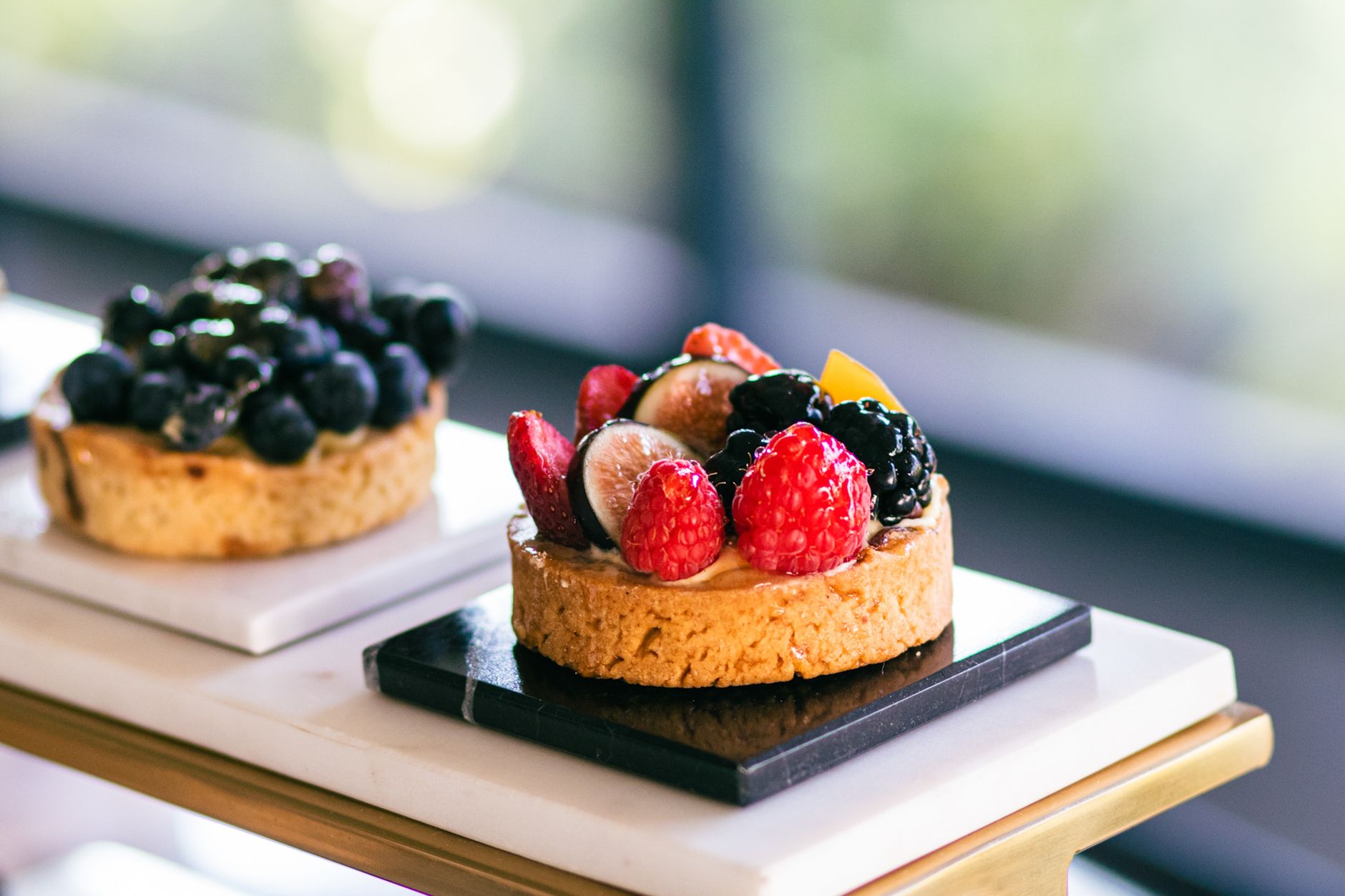
- Bakeries are prioritizing lighter textures, vibrant natural colors, and global ingredients like dragon fruit, ube, and yuzu for summer menus.
- Chilled and frozen dessert formats are expanding to drive afternoon foot traffic and optimize off-premises dining sales.
- Textural complexity and botanical flavor pairings like citrus and lavender are elevating traditional seasonal sweets.
- Portion-controlled bite-sized options and visually striking handheld designs continue to drive high margins and social media engagement.
The American bakery and pastry landscape is experiencing a significant shift as operators prepare for peak summer travel and warmer weather dining. Commercial kitchens and independent bakeries alike are adapting their menus to meet evolving consumer expectations. The focus has moved sharply toward lighter textures, visually striking color palettes, and global ingredient influences.
According to industry reporting from Bake Magazine, the summer confection market is currently defined by a convergence of social media trends and consumer demand for nostalgic yet modern flavor profiles. Bakeries are shifting away from heavy, dense winter desserts in favor of fruit forward creations, frozen novelties, and innovative pastry formats. This seasonal transition allows operators to capture higher margins on impulse purchases and limited time offers.
To maximize sales during the high traffic summer months, pastry chefs are leveraging vibrant natural colors and interactive presentation styles. Dragon fruit, passionfruit, matcha, and ube are leading the charge in visual appeal. These ingredients provide deep, natural hues that perform exceptionally well across digital marketing channels, driving foot traffic into brick and mortar retail locations.
The integration of botanical elements and international flavor profiles represents one of the strongest growth sectors in commercial baking this season. Consumers are displaying a heightened willingness to experiment with complex flavor pairings that mix sweet, sour, and savory notes. Herbal infusions like basil, lavender, and rosemary are increasingly paired with citrus and stone fruits to create sophisticated, adult oriented dessert options.
Bake Magazine highlights that Asian inspired ingredients continue to dominate non traditional bakery menus. Black sesame, yuzu, and condensed milk are becoming standard offerings in urban markets. These elements offer a balanced sweetness that appeals to consumers seeking alternatives to traditional American buttercream and heavy chocolate formulations.
The rise of regional Mexican and Latin American influences is also visible in mainstream bakery displays. Mangonada inspired desserts, which combine mango sorbet with spicy chamoy and tajin, are moving from niche specialty shops into broader commercial distribution. This trend highlights a growing preference for complex, multi layered taste profiles that deliver both sweet and tangy notes in a single serving.
Temperature management and texture contrast are playing crucial roles in summer menu design. Chilled and frozen novelties are seeing increased investment from bakery chains looking to maintain sales during hot afternoon periods when traditional warm pastries lose consumer appeal. Cold set tarts, frozen mousses, and elevated ice cream sandwich variations are becoming essential menu anchors.
Operators are experimenting with structural innovations that allow frozen treats to maintain their integrity during delivery and takeout scenarios. Advanced stabilization techniques using natural gums and modified starches permit delicate mousses and custards to hold up under variable temperatures. This technical progress allows fine dining concepts and fast casual operations to expand their off premises dessert offerings safely.
In addition to structural stability, texturally complex elements such as puffed grains, toasted seed brittle, and dehydrated fruit chips are being integrated into chilled desserts. These additions prevent soft, cold components from feeling monotonous to the palate. The contrast between crisp toppings and smooth frozen bases enhances perceived value, allowing bakeries to command premium price points.
SOCIAL MEDIA DRIVES FORM FACTOR EVOLUTION
The physical design of summer sweets is increasingly influenced by online video platforms where visual novelty drives rapid consumer adoption. Single serve handheld items, viral croissant variations, and hyper realistic fruit shaped cakes continue to command substantial attention. Bakeries that invest in unique physical presentations are seeing immediate returns through user generated social media promotion.
However, commercial success requires balancing visual novelty with operational feasibility. High volume retail operations are adopting streamlined assembly techniques that allow front line staff to produce visually complex items quickly. Pre portioned components, custom silicone molds, and pre made specialized glazes allow shops to maintain high throughput during peak operating hours without sacrificing consistency.
Miniaturization is another key strategy employed by smart retail operators. Offerings like dessert sliders, cake bites, and flight style tasting platters allow customers to try multiple flavors without committing to a large, expensive portion. This format encourages higher average order values while satisfying consumer desires for variety and portion control during summer outings.
HEALTH CONSCIOUS MODIFICATIONS AND ALLERGEN FOCUS
The summer season naturally aligns with increased consumer demand for lighter, lower calorie, and plant based indulgences. Bakery operators are actively reformulating classic summer desserts to accommodate dietary restrictions without compromising on taste or visual appeal. Dairy free gelato bases, oat milk mousses, and gluten free tart crusts are becoming standard rather than alternative options.
Natural sweeteners derived from fruit purees and agave are replacing refined sugars in many seasonal formulations. This shift satisfies wellness focused consumers while enhancing the natural fruit profiles that dominate summer baking. Furthermore, the inclusion of functional ingredients like collagen, probiotics, and adaptogenic mushrooms is gaining traction in functional dessert concepts.
The challenge for bakeries lies in raw material cost management. Specialty health conscious ingredients frequently carry higher wholesale costs, requiring precise menu engineering and strategic pricing. By positioning these items as premium seasonal offerings, bakeries can successfully absorb higher input expenses while catering to high value demographic segments.
For everyday consumers and casual diners, these industry shifts mean access to far more diverse, high quality dessert options at local bakeries and restaurants this summer. Expect to see menus featuring vibrant, light fruit options and unique frozen treats that are designed to look as good as they taste. You will also have easier access to dairy free and lower sugar alternatives that do not sacrifice flavor.
For restaurant managers and bakery owners, adapting to these summer trends is vital for capturing seasonal consumer spending. Introducing limited time summer items featuring global flavors and strong visual presentation can significantly boost social media engagement and foot traffic. Streamlining production processes for these chilled, handheld, or portion controlled options will help maintain profitability while satisfying customer demands.
More from the Foodie Pundit Newsroom
- General Mills Reports Solid Quarterly Growth Powered By Cereal and Snack Category Strength
- Emeril Lagasse Summer Recipe Strategy Highlights Modern Restaurant Marketing Mechanics
- Fast Casual Gains Market Share As Dining Preferences Shift Toward Value And Speed
- Emeril Lagasse Unveils Summer Flavor Strategies to Transform Backyard Barbecues
- Miso Salmon Emerges as Key Weeknight Strategy for Budget Conscious Home Cooks