High End Pastry Techniques Shift to Home Kitchens as Lamination Science Demystified
Master pastry chefs share the critical science and thermal control techniques required to achieve professional viennoiserie layers in home kitchens.
By Foodie Pundit Newsroom - Published - Section: Desserts Snacks
Key points
- European style butter with high fat content is essential for proper dough lamination.
- Strict thermal control during rolling prevents butter from melting into gluten layers.
- Proofing temperatures must remain below 28 degrees Celsius to preserve cell structure.
- Elevated consumer baking knowledge is driving higher quality standards in retail bakeries.
The commercial viennoiserie sector is experiencing a significant shift as high end artisanal techniques move from professional kitchens into domestic settings. According to industry reporting by the Evening Standard, master pastry chefs are demystifying the precise science required to produce laminated doughs at home. This movement reflects broader consumer demand for elevated baking standards, which has forced retail bakeries to innovate while encouraging home enthusiasts to invest in premium ingredients.
Understanding the mechanics of viennoiserie requires a deep dive into fat content, dough hydration, and thermal control. Professional bakers emphasize that achieving the coveted honeycomb interior structure is less about luck and more about managing physical transformations during the baking process. As inflation impacts the cost of dining out, consumers are increasingly willing to dedicate time to complex culinary projects that deliver luxury experiences in domestic kitchens.
THE SCIENCE OF THERMAL CONTROL AND FAT SELECTION
At the heart of any successful croissant is the concept of lamination, which involves folding alternating layers of butter and yeast raised dough. Pastry chefs highlighted by the Evening Standard stress that butter selection is the single most critical variable in this process. European style butter, which features a higher milk fat percentage ranging from 82 to 84 percent, is essential because it contains less water than standard commercial varieties.
Water in lower grade butter evaporates too quickly during the rolling phase, causing steam pockets to tear the delicate gluten structure prematurely. High fat butter remains pliable at lower temperatures, allowing it to sheet evenly without breaking or melting into the flour matrix. Maintaining both the butter block and the dough at identical, chilled temperatures ensures that distinct layers remain intact throughout the multi step folding sequence.
PRECISION IN FOLDING AND GLUTEN DEVELOPMENT
The mechanical process of rolling dough requires strict adherence to timing and physical discipline. Professional pastry instructors advocate for precise geometric folds, typically combining single and double turns to build dozens of micro layers. Overworking the dough creates excess gluten tension, which causes the pastry to shrink and distort during baking, while underworking it results in a dense crumb lacking structural integrity.
Rest periods between folds are equally vital, as they allow the gluten network to relax and lower the overall core temperature of the pastry. Skipping or shortening these chilling intervals causes the butter layers to blend into the dough, effectively converting a laminated pastry into a standard brioche. Industry experts note that patience during these resting phases remains the primary differentiator between amateur attempts and professional grade yields.
PROOFING ENVIRONMENT AND THERMAL EXPANSION
Proofing represents the final critical junction where mechanical preparation meets biological action. The Evening Standard report notes that temperature control during the final rise determines whether the laminated structure survives the oven. If the proofing environment exceeds 28 degrees Celsius, or roughly 82 degrees Fahrenheit, the butter layers will begin to melt out of the dough before the yeast generates sufficient carbon dioxide.
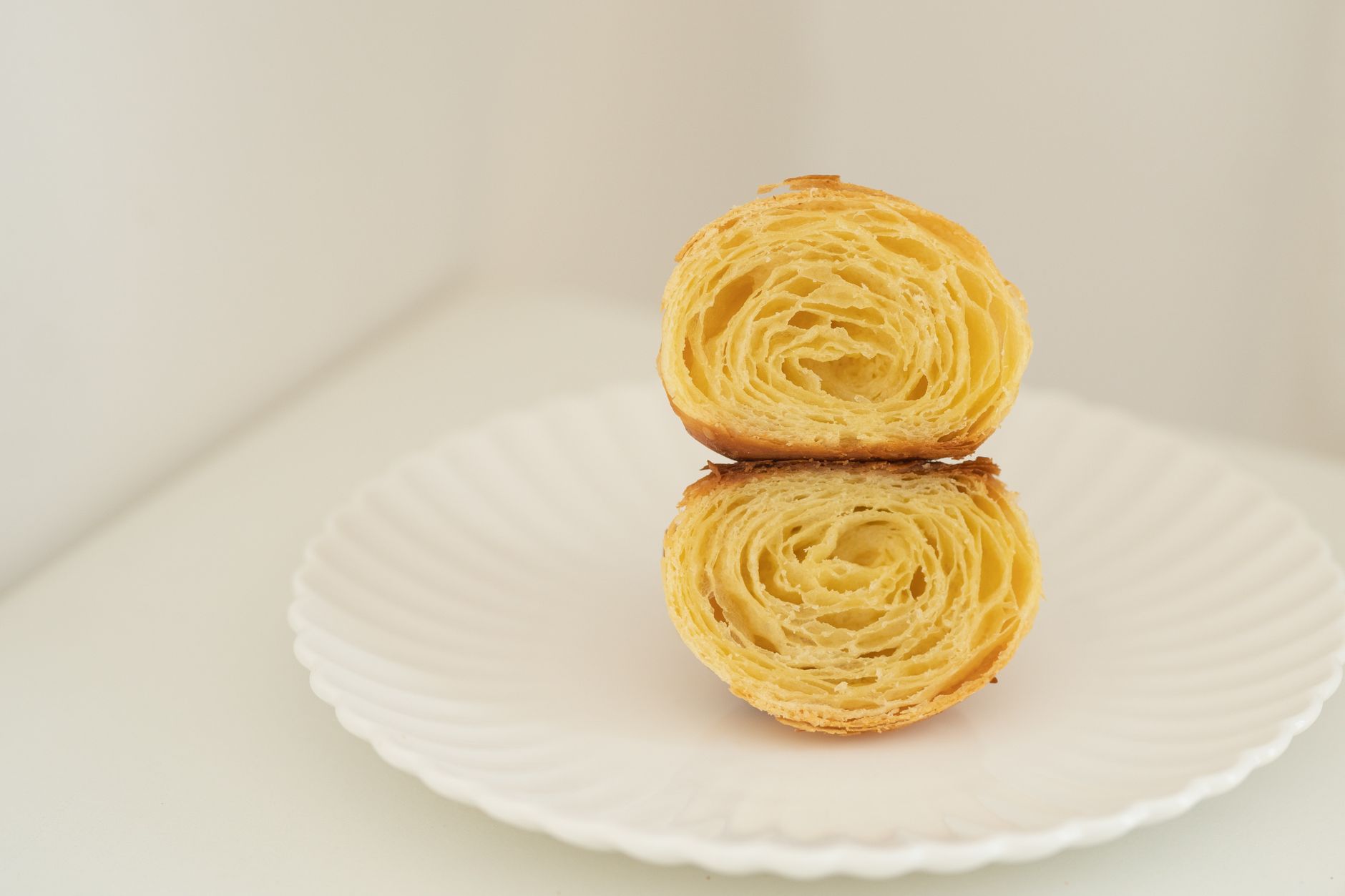
Ideal proofing conditions require high humidity and a stable, cool ambient temperature, allowing the yeast to ferment slowly while the fat remains solid. When the fully proofed croissant enters a preheated oven, the moisture bound within the butter quickly turns to steam. This rapid thermal expansion pushes the dough layers apart, creating the delicate, paper thin leaf structure and distinct open cell network that defines exceptional viennoiserie.
ECONOMIC IMPLICATIONS FOR THE BAKERY INDUSTRY
The democratization of advanced baking knowledge is altering consumer expectations across the retail landscape. As home cooks gain a deeper understanding of ingredient costs and labor requirements, their appreciation for premium pricing at high end bakeries has increased. Consumers are now more willing to pay top tier prices for authentic, labor intensive products because they recognize the technical difficulty involved.
Simultaneously, commercial bakeries face mounting pressure to maintain strict quality standards to justify their margins against superior home efforts. The rise of artisan baking tutorials has elevated the baseline standard for commercial baked goods across urban markets. Bakeries that rely on pre frozen dough or low fat margarines are increasingly losing market share to specialized establishments that prioritize traditional lamination methodologies.
For retail consumers, the breakdown of professional baking methods means higher standards across the entire bakery supply chain. Understanding the technical requirements of classic lamination helps consumers identify true artisanal quality when shopping at local bakeries. Inspecting the interior cell structure, crust color, and butter aroma allows buyers to evaluate whether a bakery uses authentic butter and proper proofing controls.
For home bakers, investing in high fat European style butter and maintaining strict thermal discipline will immediately yield better structural results. Treating temperature control as a strict technical parameter rather than an afterthought eliminates the vast majority of common baking failures. As high grade ingredients become more accessible at standard grocery outlets, reproducing restaurant quality pastry in a home kitchen is increasingly achievable.
More from the Foodie Pundit Newsroom
- Professional Pastry Chefs Reveal Technical Fundamentals Behind Perfect Laminated Croissants
- New York Michelin Guide Expansion Triggers High Stakes Reservation Scramble and Operational Pressure
- New York Michelin Surge Triggers Immediate Reservation Bottlenecks and Industry Re-Pricing
- How Viral TikTok Pasta Recipes Are Disrupting Fine Dining Prestige
- Glasgow Embraces Omakase Trend as Experiential Japanese Dining Expands