Grocery Relief Arrives Unevenly as Select Staples Drop While Other Prices Stay Sky High
While fundamental staples like eggs and milk are finally seeing price cuts, persistent supply pressures keep other everyday foods stubbornly expensive.
By Foodie Pundit Newsroom - Published - Section: Grocery Cpg
Key points
- Prices for essential items like eggs and dairy are easing after long periods of historic highs.
- Beef, processed goods, and packaged snacks remain expensive due to drought, labor costs, and transport expenses.
- The operational costs of food processing and distribution delay the transmission of wholesale savings to consumer receipts.
- Consumers can offset high costs by trading down to store brands and planning meals around falling produce prices.
Shoppers walking down supermarket aisles across the United States are beginning to notice subtle shifts at the checkout register. After several years of relentless upward pressure on household food budgets, overall grocery inflation is showing signs of cooling off. According to recent economic data highlighted by NBC New York, the prices of several key kitchen staples have started to drop or stabilize, offering a modest respite to consumers who have felt squeezed by soaring living costs.
However, the broader landscape of food prices remains frustratingly uneven. While certain items like eggs and dairy products have backed off from their historical highs, other categories continue to climb or remain stubbornly elevated. This mixed environment leaves many shoppers feeling perplexed, as the savings realized in one aisle are frequently offset by higher price tags in the next.
The most visible relief for consumers can be found in basic commodities that experienced severe supply shocks over the last two years. Egg prices, which surged dramatically due to widespread avian influenza outbreaks and rising feed costs, have experienced significant wholesale and retail reductions. As flock numbers recover and supply chains normalize, egg cartons have returned to more reasonable price points in most regional markets.
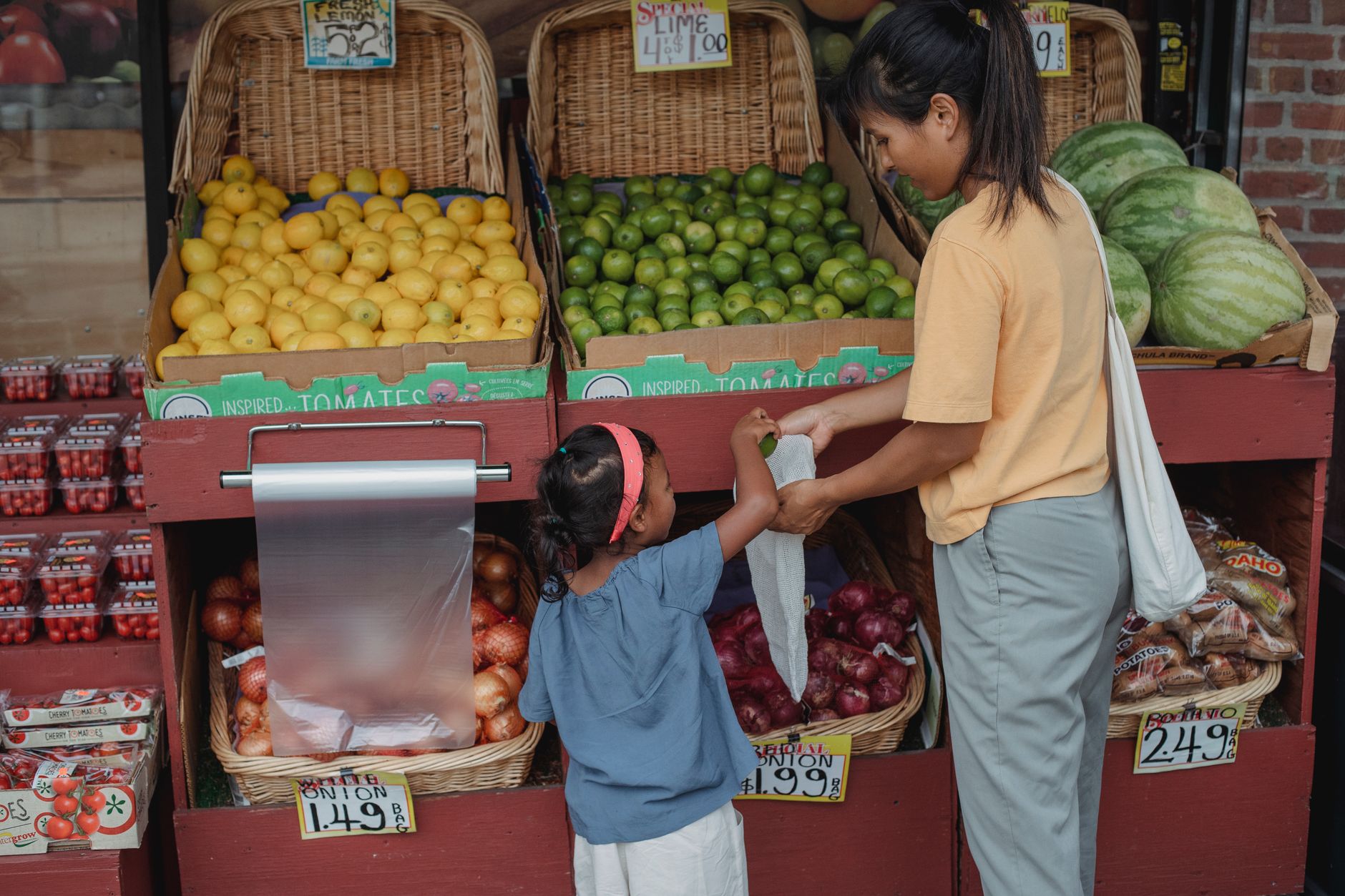
Dairy products have also joined the downward trend, driven by increased milk production and lower feed expenses for farmers. Cheeses, butter, and fluid milk are generally trading below their peak crisis levels, giving home cooks some breathing room. Additionally, fresh fruits and vegetables have seen price drops depending on seasonal availability and improved transport logistics, making produce sections one of the more affordable areas of the grocery store today.
Despite these positive developments, several essential food categories continue to resist price cuts. Meat products, particularly beef and pork, remain significantly more expensive than pre-pandemic norms. Cattle herds in the United States reached multi-decade lows due to persistent droughts in major grazing regions, which severely restricted supply and pushed wholesale beef costs higher. Processing plants and grocery retailers have passed these elevated expenses directly onto consumers.
Processed foods, packaged snacks, and bakery items are also staying high on retail shelves. Manufacturing companies cite lingering pressure from elevated labor wages, packaging materials, and energy costs as primary reasons for keeping retail prices firm. Even as raw ingredient costs moderate, packaged goods makers are hesitant to slash prices, preferring to protect operating margins or offset high distribution overhead.
The disparity between falling commodity prices and persistent retail shelf costs stems from the complex structure of the food supply chain. Raw agricultural ingredients represent only a small fraction of the total price tag on a finished grocery item. Transportation fees, industrial processing, labor, storage, and retail real estate rents make up the majority of the final cost structure. When those operational expenses stay high, consumers do not see immediate relief at the register.
Furthermore, dynamic pricing strategies and corporate profit targets play a significant role in how quickly savings are passed along. Retailers often maintain elevated prices on popular items to cushion against unpredictable future costs in other categories. This practice leads to a sticky pricing effect, where retail tags rise rapidly during inflationary spikes but descend at a agonizingly slow pace when wholesale costs ease.
Consumer behavior is shifting rapidly in response to these uneven price movements. Supermarket market research indicates that shoppers are increasingly turning to store brands and private labels to lower their total bill. National brand manufacturers are facing stiffer competition as budget-conscious buyers trade down to store-branded pasta, canned goods, and dairy products that offer similar quality at lower prices.
Additionally, store loyalty programs and digital coupon usage have reached record engagement levels. Grocery chains are using personalized promotions to retain price-sensitive customers who might otherwise split their shopping trips across multiple discount retailers. Bulk buying at warehouse clubs has also remained popular for non-perishable goods and household supplies, allowing families to lock in lower unit costs over time.
Navigating today's grocery store requires a targeted approach to meal planning and purchasing. Because price reductions are concentrated in specific categories like fresh produce and dairy, structuring weekly menus around these newly affordable staples can help drive down your overall food expenditure. Swapping out expensive beef cuts for alternative protein sources or taking advantage of seasonal produce drops can yield immediate savings at the register.
Shoppers should also remain vigilant regarding promotional cycles and brand comparisons. Buying store-brand alternatives for packaged items and utilizing digital store coupons remain two of the most effective strategies to combat persistent high prices in the middle aisles. While total grocery bills may not return to pre-2020 levels, strategic shopping can help you capitalize on current price drops while avoiding the items that remain stubbornly overpriced.
Sources and methodology
Reported from the public datasets below.
More from the Foodie Pundit Newsroom
- The Economic and Cultural Drivers Behind the Lasting Resurgence of Girl Dinner
- Grocery Mega-Merger Escalates as Expanded Store Sale Plan Shakes Up Retail Landscape
- Major Complications Emerge in Kroger and Albertsons Store Divestiture Plan
- Beyond Butter Boards: How Digital Tastemakers Are Shaping The Next Wave Of Restaurant And Grocery Demand
- McDonalds Restores Famous McRib Sandwich To Menus With Tactical Value Focus