Gut Health Drives Fermented Foods Into Mainstream Restaurant Menus
Restaurants and institutional dining halls are boosting profits and health appeal by placing kimchi, kombucha, and miso at the center of the plate.
By Foodie Pundit Newsroom - Published - Section: Beverages
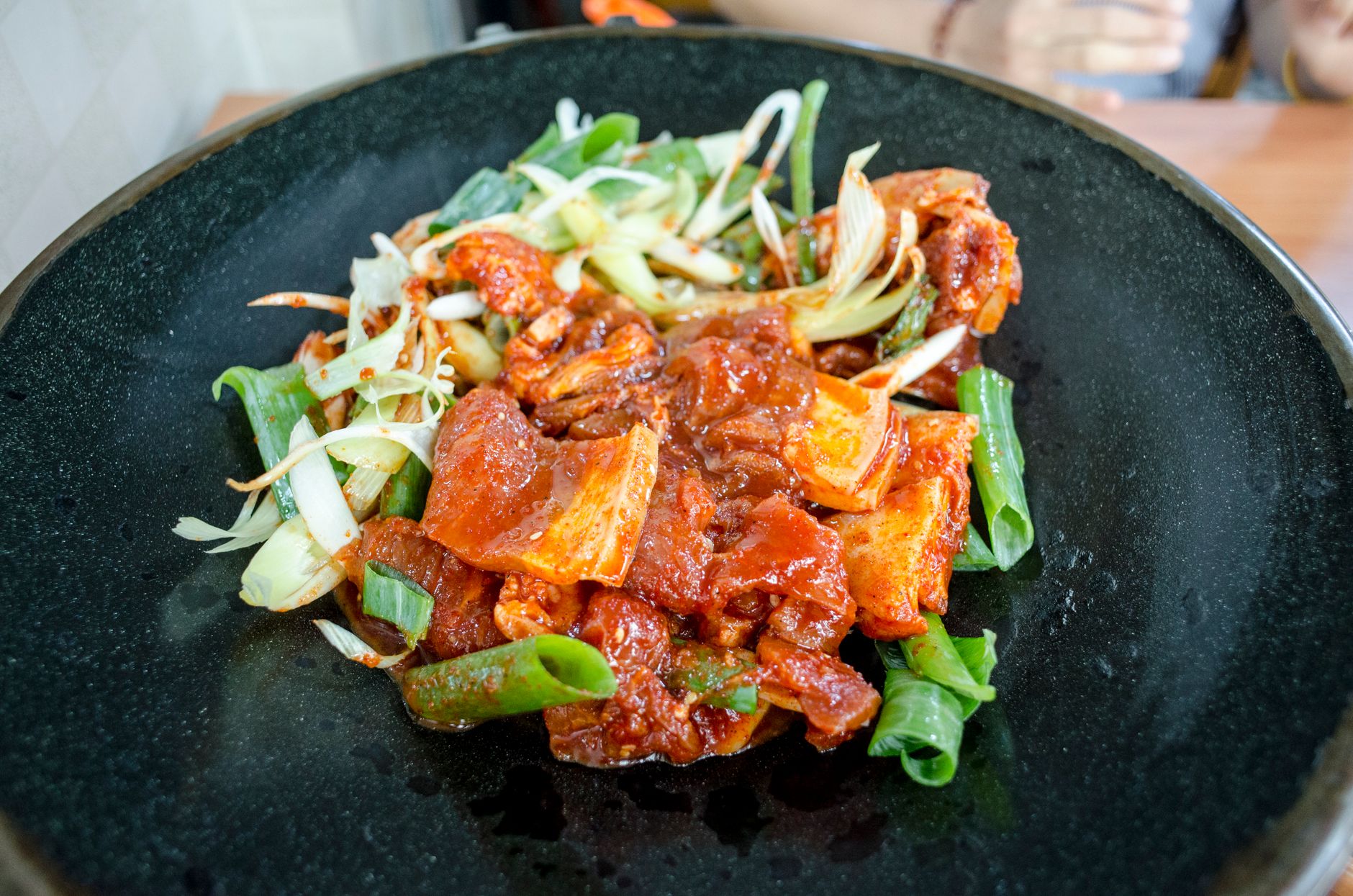
Key points
- Commercial food service operators are rapidly adopting fermented foods to meet consumer demand for functional gut health benefits and bold flavors.
- Ingredients like kimchi, miso, kombucha, and raw sauerkraut allow kitchens to build intense umami profiles while reducing added sodium and fats.
- Fermentation offers high profit margins because low-cost base produce is transformed into high-value signature condiments.
- Managing live fermented products requires strict storage controls, staff training, and specialized procurement protocols.
Fermented foods are rapidly transitioning from niche culinary experiments to core menu items across the commercial food service landscape. Operators are increasingly integrating products like kimchi, kombucha, miso, sauerkraut, and kefir into traditional dishes. Driven by dual consumer interest in gut health and complex flavor profiles, these ingredients provide kitchen teams with versatile tools to elevate simple meals while tapping into functional nutrition trends.
According to recent reporting from FoodService Director, the commercial adoption of probiotic rich items has accelerated post-pandemic. Consumers are actively seeking foods that offer functional health benefits, particularly those supporting digestion and immune systems. Rather than consuming these items as standalone supplements, diners prefer them integrated seamlessly into everyday meals like grain bowls, burgers, salads, and specialty drinks.
Fermentation is an ancient technique developed primarily to preserve perishable items before modern refrigeration existed. Microbial action driven by wild bacteria and yeasts transforms sugars into lactic acid, alcohol, or acetic acid. This process preserves food, creates sharp sour or savory flavors, and cultivates live microorganisms known as probiotics.
While traditional food cultures across Asia, Europe, and the Americas have relied on fermentation for centuries, modern industrial food processing largely eliminated these living elements in favor of shelf stability and uniform flavor. Heat pasteurization kills the beneficial bacteria that define true fermented items. Now, food service operators are reversing that trend by partnering with artisanal producers or developing in-house fermentation programs to bring living foods back to the table.
The primary engine behind this culinary shift is the growing public interest in microbiome health. Clinical research linking gut bacteria to overall wellness, mood regulation, and immune strength has saturated mainstream media. Diners increasingly view ingredients like dynamic yogurt dressings, fermented hot sauces, and pickled toppings as functional upgrades to standard dish builds.
Restaurant operators report that adding fermented items allows them to market healthy options without sacrificing flavor intensity. Traditional diet foods often struggle with perceptions of blandness, but fermented components contribute rich umami notes and bright acidity. This combination allows kitchen teams to minimize added salt, fat, and artificial seasonings while maintaining strong flavor profiles.
The surge in fermented offerings spans fast casual chains, corporate cafeterias, and higher education dining facilities. In university dining halls, operators find that younger demographics demonstrate higher familiarity with international fermented staples like Korean kimchi or Japanese miso. These items serve a dual purpose, fulfilling student demands for authentic global flavors while satisfying interest in wellness foods.
Corporate dining venues are leveraging fermented ingredients to create premium build-your-own stations. Salad bars and grain bowl concepts now frequently feature raw sauerkraut, pickled red onions, lacto-fermented peppers, and probiotic dressings. Bar programs are also evolving, with kombucha on tap becoming a standard non-alcoholic alternative to traditional draft beer or sugary sodas.
OPERATIONAL CHALLENGES IN COMMERCIAL KITCHENS
Despite high demand, incorporating live fermented products presents distinct operational hurdles for volume food service facilities. Live cultures continue to ferment over time, altering the acidity, texture, and gas output of stored batches. This ongoing activity requires strict temperature controls, precise storage procedures, and specialized staff training to maintain product safety and quality consistency.
Procurement logistics also demand careful consideration. Purchasing pasteurized, shelf-stable versions of fermented products often defeats the functional health appeal that consumers expect. As a result, operators must balance the higher cost of unpasteurized local products against the labor requirements of preparing fermented batches in-house from scratch.
From a financial perspective, fermented foods offer exceptional profit margin potential for restaurant operators. The raw materials used in fermentation, such as cabbage, radishes, carrots, salt, and base tea, are extraordinarily low cost. By applying time, control, and labor, kitchens convert inexpensive produce into high-value signature condiments.
Adding a small serving of house-made fermented kimchi or a splash of specialty kefir dressing allows operators to justify higher menu prices. The perceive value of artisanal, probiotic-rich ingredients translates into higher average checks without proportionally increasing food spending. This dynamic makes fermentation an attractive strategy for offsetting recent inflationary pressures on protein and produce costs.
For regular diners and food lovers, the mainstreaming of fermented foods means easy access to gut-healthy options across all price points. You no longer need to visit specialty health stores or high-end upscale venues to find raw kombucha, genuine miso, or active fermented vegetables. Everyday fast casual spots, workplace cafes, and college dining facilities are rapidly adopting these options as standard choices.
You can expect to see standard menu items updated with fermented elements over the coming year. Simple burgers may feature kimchi slaws, standard grain bowls will regularly include probiotic dressings, and beverage menus will feature more low-sugar fermented drinks. Choosing these items allows you to enjoy bolder, more complex flavors while supporting your overall digestive health through your routine meals out.
Sources and methodology
Reported from the public datasets below.
More from the Foodie Pundit Newsroom
- Southeast Asian Fine Dining Swaps Fake Truffle Oil for Real Shaves and Local Wood Smoke
- Pre-Mix Revolution Reshapes Beverage Alcohol as Consumer Demand Surges
- GLP-1 Weight Loss Drugs Force Major Shift Across Food and Restaurant Industries
- CPG Mergers and Acquisitions Prepare for Massive Resurgence Across Food Sector
- Packaged Food M&A Surge Set to Reshape Supply Chains