How Borough Market Transformed From Industrial Wholesale Hub to London Top Food Destination
London iconic wholesale venue evolved into a global culinary destination through strategic retail transformation and artisanal food culture.
By Foodie Pundit Newsroom - Published - Updated - Section: Restaurants
Key points
- Borough Market transitioned from a traditional wholesale trade hub into an international retail and dining destination over the last two decades.
- The strategic pivot to direct-to-consumer specialty food and street vendors saved the historic market from economic decline.
- Operational challenges like crowd management and space allocation remain central to preserving the market heritage while accommodating millions of annual visitors.
- The site serves as a global economic model for urban regeneration through food-centric experiential retail.
HISTORIC ROOTS AND EARLY COMMERCIAL FOCUS
Located along the southern bank of the River Thames, Borough Market stands as one of the oldest and largest food trading sites in London. Its official history stretches back nearly a millennium, with market activities recorded near London Bridge as early as the eleventh century. For hundreds of years, the site operated primarily as a wholesale distribution hub, supplying fresh produce, meat, and fish to local grocers, institutions, and hospitality businesses across the capital.
Throughout the nineteenth and twentieth centuries, the market functioned under strict commercial hours, catering almost exclusively to night tradesmen and bulk buyers. The ironwork arcades and covered halls were designed for utility rather than leisure, prioritizing transport efficiency and produce storage over consumer comfort. Everyday shoppers rarely frequented the central concourse, which remained focused on industrial food trade and logistics.
THE TURNING POINT TOWARD SPECIALTY RETAIL
By the late 1990s, shifting distribution networks and the consolidation of supermarket supply chains threatened the economic viability of traditional urban wholesale markets. As major wholesale operations migrated to larger, purpose-built facilities like New Spitalfields, Borough Market faced a critical crossroads. The market trustees recognized that survival required a dramatic shift in strategy, prompting a pivot toward direct-to-consumer artisanal retail.
According to reporting by the Evening Standard, the transformation began as a series of pop-up food events and specialized retail trials that showcased small-scale producers. Farmers, cheesemongers, bakers, and cured meat artisans were invited to lease stalls, bringing high-quality regional ingredients directly to the public. This shift capitalized on growing consumer interest in food provenance, organic farming, and European culinary traditions, turning the market into a destination for dedicated home cooks.
EVOLUTION INTO A GLOBAL CULINARY DESTINATION
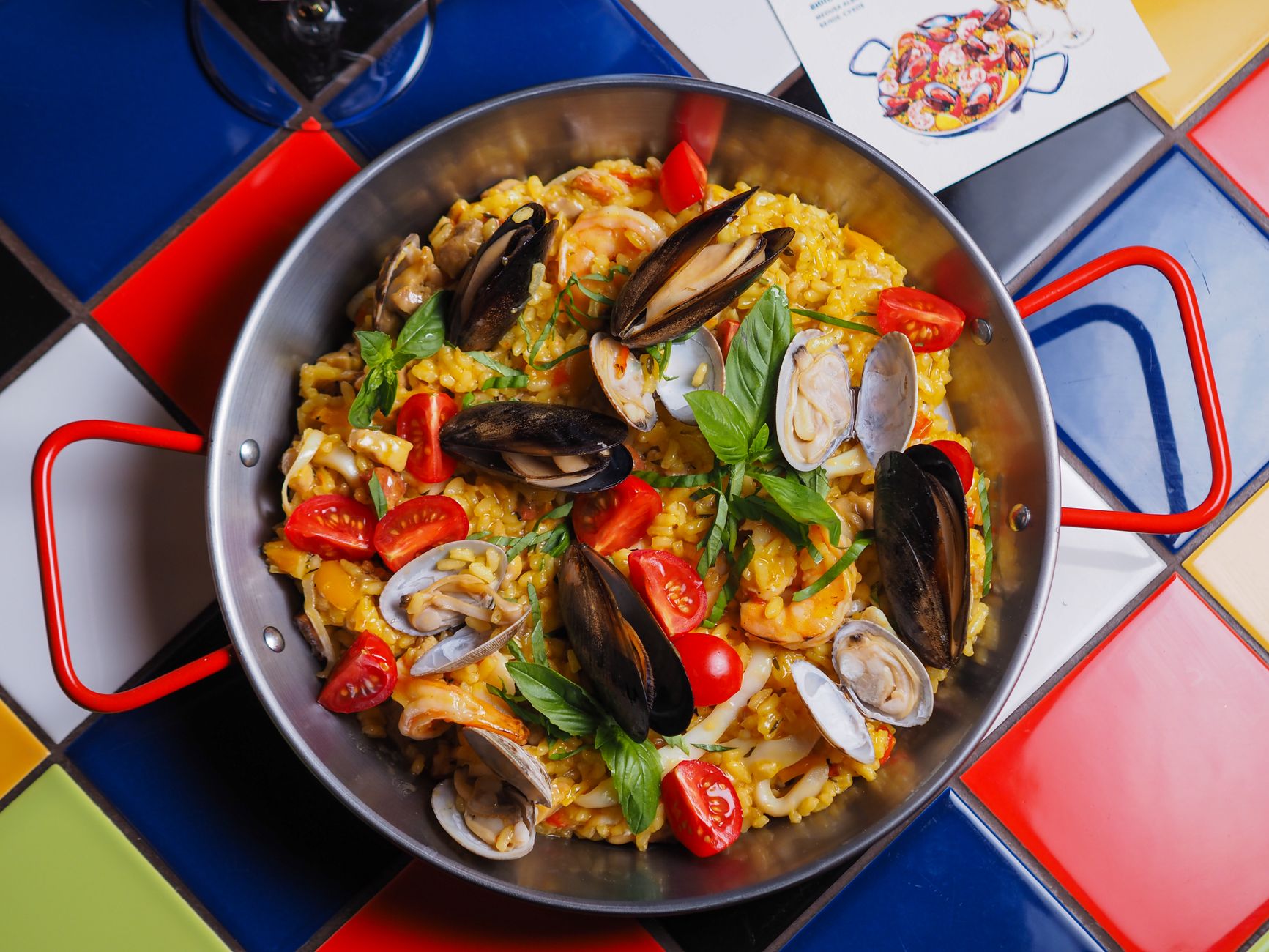
Over the past two decades, Borough Market evolved from a quiet specialty ingredient hub into an international gastronomic phenomenon. The quiet stalls selling raw ingredients gradually expanded to include street food vendors, regional hot food traders, and seated dining establishments. Today, visitors can find everything from traditional British meat pies and artisanal sourdough to Spanish paella, Taiwanese bao, and French confit duck sandwiches operating side by side.
This diversification created a powerful economic feedback loop. High foot traffic from hungry tourists and office workers supported specialty ingredient traders who might otherwise struggle with rising central London overhead costs. The market successfully balanced its heritage as a fresh produce market with its new identity as a vibrant, multi-ethnic food court, drawing millions of visitors annually and setting a template for urban market regenerations worldwide.
MANAGING SUCCESS AND OVERCROWDING CHALLENGES
The immense popularity of the market has brought significant operational and spatial challenges to the surrounding neighborhood. Peak trading hours often result in dense congestion along the narrow corridors and surrounding streets, leading to concerns regarding safety, accessibility, and the quality of the visitor experience. Managing crowd flow while preserving the historic character of the Victorian architecture requires constant intervention by market authorities.
In response, the market trust implemented new operational strategies to manage visitor density and protect the core shopping experience. These measures include staggered opening hours, designated zones for immediate consumption food, and enhanced pedestrian management systems. Market administrators continue to navigate the delicate balance between catering to casual tourists looking for quick bites and serving serious food shoppers who rely on the market for daily grocery needs.
THE ECONOMIC MODEL OF MODERN URBAN MARKETS
The transformation of Borough Market reflects broader shifts in urban retail economics, where experiential dining acts as an anchor for foot traffic. Traditional retail formats face intense competition from digital platforms, making tangible sensory experiences like fresh food markets increasingly valuable to city centers. Municipal planners and real estate developers frequently look to the Borough Market model as a case study in converting industrial infrastructure into high-density commercial hubs.
The commercial success of the market also supports a broader ecosystem of independent producers across the United Kingdom and Europe. By providing small producers with access to a high-volume retail audience, the market helps sustain traditional farming, butchery, and cheesemaking practices. The high sales velocity enables traders to maintain profitability despite high central London rent structures and operational overhead.
For consumers and culinary travelers, the evolution of Borough Market demonstrates how historic food spaces can adapt to modern dining preferences without losing their foundational character. You benefit directly from the concentration of world-class producers and street food vendors in a single accessible urban location. While navigating peak crowds requires strategic planning, the market offers an unparalleled opportunity to source rare ingredients and sample diverse international cuisines.
For restaurant operators, food entrepreneurs, and urban planners, the market provides key insights into consumer behavior and hospitality trends. The integration of ready-to-eat hot food alongside raw ingredient retail shows that modern shoppers prefer interactive, multi-sensory shopping environments. As city centers continue to evolve, high-density food hubs that blend heritage with culinary innovation will remain vital engines of local economic growth and cultural identity.
Sources and methodology
Reported from the public datasets below.
More from the Foodie Pundit Newsroom
- Professional Pastry Chefs Unveil Technical Secrets Behind Elite Croissant Lamination
- Asda Cuts Shelf Prices on Over 200 Everyday Staples to Ease Household Budgets
- Something Big Is Cooking In Orlando, But What Is It?
- New York City Michelin Stars Map Shifting Fine Dining Economics
- Restaurant Insolvencies Rise as Cost Pressures Squeeze Legacy Dining Chains