How Federal Farm Mandates Could Reshape Restaurant Menus and Wholesale Prices
Rising compliance costs for environmental rules could raise wholesale ingredient prices and strain restaurant supply chains nationwide.
By Foodie Pundit Newsroom - Published - Updated - Section: Chain Watch
Key points
- New climate mandates are driving up compliance and equipment expenses for domestic farming operations.
- Farm trade groups warn that high operating costs could trigger farm closures and localized food supply disruptions.
- Restaurants face rising wholesale costs for core ingredients, threatening already thin profit margins.
- Diners should anticipate smaller portions, shifting menu offerings, and higher check totals at food establishments.
REGULATORY PRESSURE ON AMERICAN AGRICULTURE
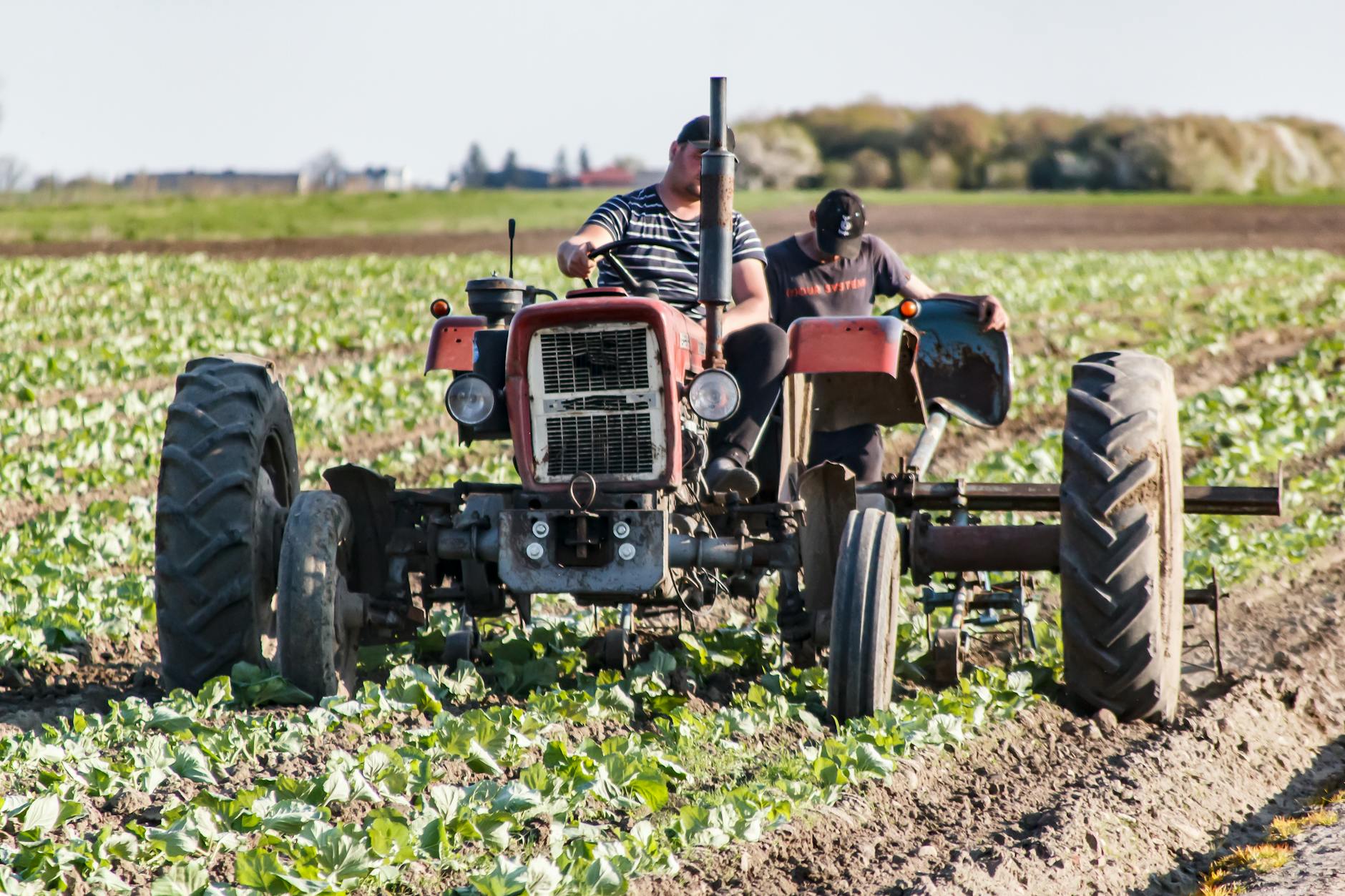
Growers and livestock producers across the United States are voicing deep frustration over a expanding wave of environmental mandates aimed at reducing agricultural emissions and water usage. According to recent reporting by Agri-Pulse, many agricultural operators contend that these rapid policy changes threaten the economic viability of domestic farming. Smaller family operations report that compliance costs are rising faster than crop yields or market prices can offset. As a result, industry trade groups warn that a growing number of farms face potential closure over the coming decade.
The new policy framework encompasses a range of mandates from federal and state environmental agencies. These measures include strict limits on synthetic fertilizer runoff, methane reduction targets for dairy farms, and increased reporting requirements for equipment fuel usage. While environmental regulators argue these rules are essential for long-term climate stability, farming organizations assert that the timeline for implementation is far too aggressive. Many producers lack the capital required to purchase expensive low-emission machinery or install sophisticated waste management infrastructure without passing those costs downstream.
OPERATIONAL COSTS AND SUPPLY CHAIN TRAJECTORIES
The financial burden on agricultural producers inevitably ripples through the broader food supply chain. When farmers are forced to absorb higher operational expenses, those cost increases move directly to processing plants, distribution networks, and regional wholesalers. Data compiled by industry analysts shows that farm-level compliance expenditures have increased by double digits in several key agricultural states over the past three fiscal years. Consequently, food distributors are preparing for sustained upward pressure on wholesale commodity prices for fundamental ingredients like grain, dairy, and livestock.
Beyond rising prices, agricultural leaders warn that widespread farm closures could disrupt the volume and reliability of domestic food production. If domestic farms reduce acreage or exit the industry entirely, federal food security could become increasingly reliant on international imports. Importers face their own logistics hurdles and tariff structures, which creates additional volatility in fresh product availability. Industry experts emphasize that once domestic agricultural capacity is lost, restoring those farms and local supply lines requires years of investment and specialized labor that cannot be easily replaced.
For the restaurant industry, shifting agricultural regulations represent a major cost control challenge. Operators are already navigating tight profit margins driven by elevated labor rates, rising commercial rents, and increased utility expenses. A sustained increase in fundamental food supply costs directly undermines the core profitability of casual dining establishments, fast-food franchises, and fine dining venues alike. Procurement managers across the hospitality sector report that contract negotiations with broadline distributors have become increasingly tense as suppliers try to pass through farm-level surcharges.
Restaurant kitchens rely heavily on predictable pricing for core menu commodities like beef, poultry, butter, and fresh produce. When agricultural mandates destabilize crop yields or force livestock herd reductions, menu planning becomes an unpredictable exercise. Many operators are finding that fixed-price supplier contracts are becoming shorter in duration, forcing restaurants to adjust their purchasing strategies on a quarterly or even monthly basis. To preserve gross margins, culinary teams are being forced to rethink portion sizes, substitute high-cost ingredients, or frequently alter menu offerings to align with whatever products remain cost-effective.
As wholesale cost pressures build, foodservice establishments face difficult choices regarding consumer pricing. Passing higher ingredient expenses directly onto restaurant guests risks driving away price-sensitive diners who are already managing personal budget constraints. Industry surveys indicate that while consumers express general support for environmental sustainability, their willingness to absorb higher meal prices at the counter remains low. Restaurants that raise menu prices too aggressively often see an immediate drop in guest counts, particularly in the quick-service segment where value plays a dominant role in purchasing decisions.
To avoid alienating guests through raw price hikes, operators are experimenting with dynamic menu design and alternative operational models. Some establishments are introducing flexible daily specials that allow chefs to utilize whatever ingredients are most affordable on the wholesale market that week. Others are turning to technology solutions, such as automated inventory management and yield-tracking software, to minimize kitchen waste and stretch raw product further. However, experts note that operational efficiency gains can only cushion so much financial impact if base ingredient prices continue their upward trajectory.
For everyday diners and restaurant consumers, the friction between environmental mandates and farm economics will most likely translate to higher check totals and less predictable menu availability. As agricultural producers adjust to mandatory compliance targets, wholesale costs for meats, dairy, and fresh produce will remain elevated. Consumers should expect dining establishments to gradually raise prices across foundational menu items or shorten portion sizes to maintain current price points. Additionally, consumers may notice that seasonal dishes change more frequently or that certain imported ingredients replace domestically sourced items on local menus.
The broader food ecosystem is entering a period of significant transition where environmental sustainability targets directly intersect with market economics. Diners can support local food networks by seeking out farm-to-table establishments that maintain direct relationships with regional growers, though these meals may carry a premium price tag. Understanding the upstream pressures facing farmers helps explain why a simple restaurant meal costs noticeably more today than it did just a few years ago. Over time, the balance struck between farm regulations and supply chain realities will dictate both the diversity of restaurant menus and the total cost of dining out.
Sources and methodology
Reported from the public datasets below.
More from the Foodie Pundit Newsroom
- Global Flavor Trends Reshape Restaurant Menus as Consumers Demand Complex Spice Profiles
- Grocery Chains Overhaul Digital Loyalty Programs to Counter Rising Food Costs
- The Culinary Economics Behind the Viral Croissant Ice Cream Trend
- How the Loud Budgeting Trend Is Transforming Restaurant Economics
- Seasonal Produce Returns To Wholesale Supply Chains As Spring Harvests Begin