How GLP-1 Medications Are Rewiring Food Cravings and Restaurant Menus
As GLP-1 medications alter taste preferences and suppress appetite, foodservice operators are redesigning menus to match changing consumer behavior.
By Foodie Pundit Newsroom - Published - Updated - Section: Glp1 Weight Loss
Key points
- Semaglutide treatments alter brain reward pathways, turning consumers away from heavy, greasy foods toward fresh and acidic options.
- Alcohol and sugary beverage consumption is declining, driving rapid growth in non-alcoholic and low-sugar menu offerings.
- Restaurant operators are shifting away from large portions toward high-margin small plates and customizable meal sizes.
- Kitchens are replacing high-fat ingredient bases with herbs, fermentation, and bold spices to capture evolving diner preferences.
GLP1 RECEPTOR AGONISTS RESHAPE RESTAURANT DINING DYNAMICS
The rapid adoption of GLP-1 receptor agonist medications, such as Ozempic and Wegovy, is creating a profound shift across the food service industry. While early discussions focused largely on overall appetite suppression, recent reporting highlights a more nuanced phenomenon: a fundamental alteration in flavor preferences, food cravings, and sensory satisfaction. Diners taking these treatments are reporting sudden, unexpected shifts away from rich, greasy, or highly processed meals toward lighter, fresh ingredients.
According to reporting from TODAY, patients using semaglutide and similar drugs frequently experience changes in how their brain registers reward from food. High-fat, high-sugar, and heavily fried items that once anchored casual dining menus are losing their appeal for a growing portion of the population. This sensory realignment is forcing restaurant operators, culinary directors, and menu developers to rethink traditional offerings to avoid losing market share among a health conscious demographic.
The physiological mechanism behind these shifting cravings involves GLP-1 receptors located in both the gut and the brain reward pathways. By mimicking a natural hormone that signals fullness, these medications reduce dopamine spikes typically associated with consuming hyper-palatable foods. As a result, users report that former comfort foods like burgers, fries, and creamy sauces no longer deliver the expected psychological satisfaction. In many cases, these heavy items trigger mild nausea or digestive discomfort, reinforcing a negative feedback loop.
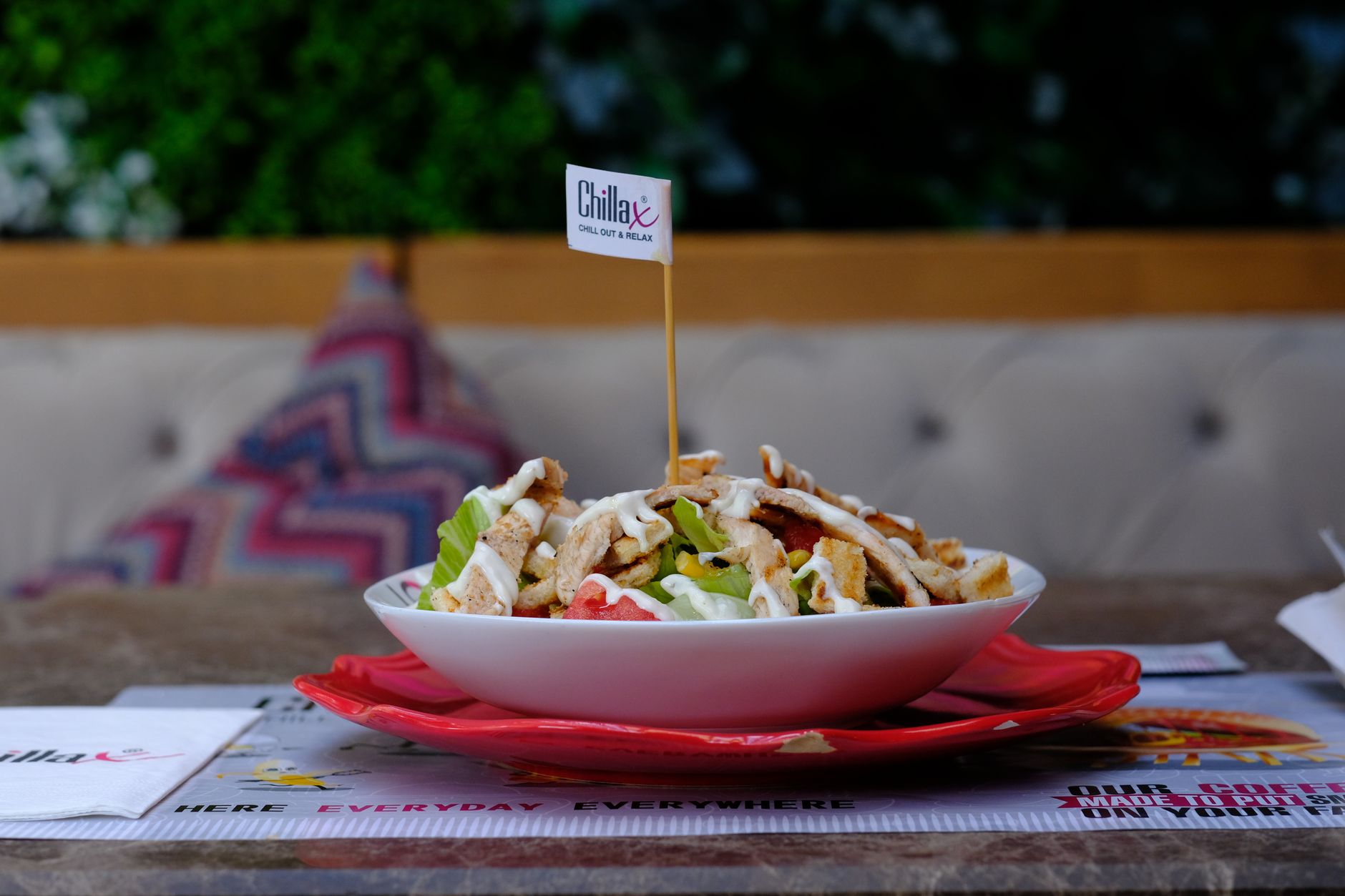
In contrast, consumers are turning toward foods with crisp textures, bright acidity, and clean flavor profiles. Fresh vegetables, lean proteins, chilled seafood, and hydrating fruits are becoming the preferred choices for GLP-1 patients. For casual dining chains and quick service restaurants long reliant on fried appetizers and large portions, this trend presents an immediate operational challenge. Menu items designed around maximum indulgence are increasingly left untouched or ordered far less frequently.
BEVERAGE CATEGORIES SEE DRAMATIC TURBULENCE
The impact of altered cravings extends well beyond solid food and is actively reshaping the beverage industry. Consumers on GLP-1 regimens report a marked decline in alcohol consumption, driven by both a diminished desire for intoxicating effects and a heightened sensitivity to sweet cocktails. Heavy craft beers, syrupy mixed drinks, and sugary sodas are seeing reduced demand in markets with high GLP-1 penetration.
To adapt to this shift, bar programs and beverage manufacturers are accelerating the rollout of sophisticated zero-proof drinks, unsweetened sparkling beverages, and low-calorie options. Restaurants are expanding their mocktail selections to include botanicals, bitters, and fresh juices that offer complex flavor without excess sugar. Beverage directors report that non-alcoholic drinks now carry higher profit margins, helping offset the loss of revenue from declining high-proof liquor and wine sales.
Beyond changing tastes, the reduction in overall caloric intake is altering traditional restaurant economics. Guests taking GLP-1 medications rarely finish standard American restaurant portions, leading to increased food waste and a preference for smaller, shareable plates. The traditional model of upselling large main courses and rich desserts is proving less effective against a consumer base that prioritizes quality over quantity.
To protect profit margins, operators are experimenting with small-plate concepts, curated tasting menus, and flexible portion sizing. By offering half-portions of popular entrees or positioning appetizers as main courses, establishments can maintain check averages while satisfying appetite-suppressed guests. Industry analysts note that restaurants emphasizing high-quality ingredients and vibrant plating are better positioned to retain these customers than those selling sheer volume.
LONG TERM IMPLICATIONS FOR FOODSERVICE OPERATORS
As GLP-1 medications become more accessible and gain approval for broader health conditions, their influence on consumer eating habits will only expand. Kitchens that rely heavily on deep fryers and processed ingredients face a growing risk of irrelevance among a health-focused public. Culinary teams are now tasked with formulating dishes that rely on herbs, spices, fermentation, and acid to deliver bold flavor without relying on heavy fats or sugars.
Commercial food manufacturers are also feeling the squeeze as demand shifts away from packaged snack foods and sugary confections. Supply chains are adjusting to accommodate higher volumes of fresh produce, lean meat, and plant-based protein sources. While the long term financial trajectory of the restaurant industry remains stable, the distribution of consumer spending is clearly moving toward establishments that accommodate these emerging dietary patterns.
For everyday consumers and diners, these industry adjustments mean clearer options and better choices when eating out. As restaurants adapt to GLP-1 trends, you will likely notice a wider array of fresh, light, and flavor-forward options on standard menus. Smaller portion choices, sophisticated non-alcoholic beverages, and lower-sugar desserts are set to become permanent fixtures rather than niche offerings.
If you are currently taking a GLP-1 medication, you can expect menu design to work more in your favor over the coming months. Establishments are increasingly training service staff to accommodate modified diet requests and shareable ordering strategies without friction. Ultimately, the market is responding to changing consumer biology, making it easier than ever to find satisfying meals that match your shifting appetite.
Sources and methodology
Reported from the public datasets below.
More from the Foodie Pundit Newsroom
- How Internet Pasta Trends Are Disrupting Restaurant Economics and Consumer Choices
- How GLP1 Medications Are Permanently Altering Consumer Taste Buds and Restructuring the Food Economy
- Commercial Bakeries Pivot to High-Margin Specialty Pastries Amid Rising Ingredient Costs
- Automated Kitchen Tech Reshapes Restaurant Operations and Labor Dynamics
- New York's Frenchette Bakery Is Plotting a Florida Move