How London Street Markets Are Reshaping the Urban Grocery Economy
London open air markets are reshaping urban grocery habits as direct producer sales challenge traditional supermarket dominance.
By Foodie Pundit Newsroom - Published - Updated - Section: Grocery Cpg
Key points
- Short supply chains allow regional farmers to capture higher margins while delivering fresher produce to urban consumers.
- Open air markets serve as low cost business incubators for emerging culinary brands before brick and mortar expansion.
- Buying seasonal goods directly from growers offers superior product longevity, helping households reduce overall food waste.
The retail food landscape across major European capitals is undergoing a structural shift as consumers reevaluate their primary grocery channels. Reporting from the Evening Standard highlights a distinct migration away from traditional supermarket chains toward neighborhood street markets in London. This movement is no longer driven purely by weekend leisure, but by a fundamental realignment of how urban households source fresh produce, artisanal meats, and specialty pantry items.
For decades, centralized supermarket chains dominated urban food distribution through aggressive pricing and sheer convenience. However, supply chain disruptions, changing dietary preferences, and rising retail prices have altered the value proposition for many city dwellers. Open air markets across central and suburban districts are seeing increased foot traffic as shoppers seek direct access to regional growers and independent food producers.
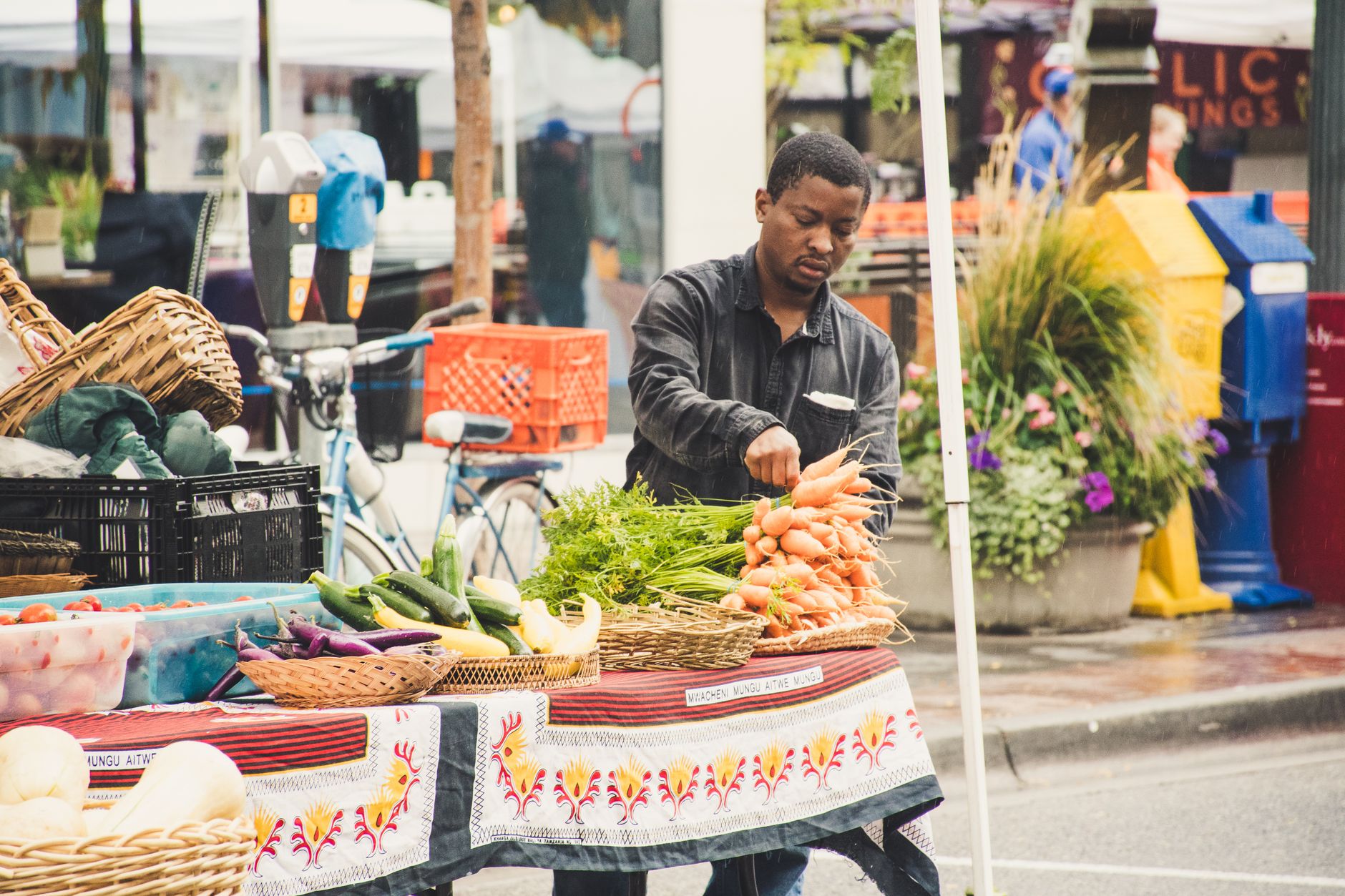
The commercial model of the urban farmers market relies on short supply chains that bypass major regional distribution hubs. Farmers, bakers, and cheesemakers bring goods directly from regional farms in counties like Kent, Essex, and Sussex straight into the city center. This direct sales channel allows producers to capture a higher percentage of the retail price while offering consumers goods harvested at peak freshness.
Logistically, these decentralized market networks operate on flexible municipal agreements and temporary land leases. Markets pop up in public squares, school grounds, and converted industrial yards on fixed weekly schedules. By minimizing permanent real estate overhead, market operators can maintain competitive booth fees, allowing micro-businesses and boutique agricultural ventures to test products with minimal capital expenditure.
consumer spending habits reveal that modern market patrons view these visits as dual purpose outings. Beyond baseline grocery acquisition, visitors consume ready to eat hot meals, specialized coffee drinks, and baked goods on site. This hybrid model between traditional grocery shopping and experiential dining creates higher basket sizes per visitor than standard street retail formats typically achieve.
REGIONAL HIGHLIGHTS AND URBAN INTEGRATION
Different London neighborhoods have developed distinct market profiles tailored to their local demographics. In established residential zones like Marylebone and Kensington, markets place a heavy emphasis on organic produce, rare breed butcher cuts, and aged dairy products. These sites function primarily as high end primary food halls, attracting serious home cooks willing to pay a premium for verified provenance.
In contrast, markets situated in emerging cultural hubs like East London focus heavily on hot food vendors, experimental bakeries, and fermentations. Outlets in areas like Victoria Park and Broadway Market serve as incubators for culinary concepts that later transition into brick and mortar restaurants. The Evening Standard notes that these locations draw younger demographics who view market shopping as a central component of their social calendar.
Shedding the perception of being mere novelty attractions, south London hubs like Maltby Street and North End Road cater to diverse economic segments. They offer everything from bulk seasonal vegetables to specialized international imports. This geographic distribution ensures that open air food trading remains integrated across varied socioeconomic pockets of the capital.
ECONOMIC PRESSURE AND COMPETITIVE ADVANTAGES
The resurgence of open air shopping occurs against a backdrop of elevated food inflation across the United Kingdom. Supermarket shelf prices for dairy, fresh produce, and bakery staples have fluctuated sharply over recent operational quarters. While regional farm markets are often perceived as more expensive, direct producer pricing can sometimes undercut mainstream retail on seasonal items, particularly when factoring in quality and shelf life.
Produce sold at direct to consumer markets is frequently harvested less than twenty four hours before sale. Reduced time in transit and storage extends the usable lifespan of the food in home refrigeration, minimizing household food waste. Consumers increasingly calculate the net value of their purchases based on yield and longevity rather than raw shelf price alone.
Furthermore, independent vendors offer flexible purchasing quantities that packaged supermarket items prohibit. Shoppers can buy precise weights of produce or single cuts of meat, matching actual consumption needs and controlling overall checkout expenditures. This transactional flexibility provides a subtle cushion against rising living costs for metric conscious shoppers.
Operating within a weekend market model presents unique operational friction points for independent producers. Weather dependency remains the most significant variable, as heavy rain or extreme temperatures can reduce foot traffic by substantial margins. Micro vendors must balance precise production volumes to avoid unsold inventory at the conclusion of a trading day.
Cold chain logistics also present ongoing compliance and operational demands. Vendors transporting perishable meat, dairy, or prepared items must invest in mobile refrigeration equipment and temporary power setups to meet municipal health codes. These operational costs, combined with early morning transport schedules, demand high operational efficiency from small teams.
Despite these hurdles, the direct feedback loop between producer and consumer remains an unmatched advantage. Producers receive immediate real time data on product recipes, pricing acceptance, and packaging design. This rapid iteration capability allows small brands to adapt faster than institutional food conglomerates operating through lengthy retail review cycles.
For everyday consumers, shifting a portion of your weekly grocery budget to local producers offers practical nutritional and economic benefits. Purchasing seasonal produce directly from regional farms yields higher nutrient density and longer home shelf life, directly lowering household food waste. You also gain complete transparency regarding agricultural inputs and production methods.
From a broader market perspective, supporting local food trade helps insulate community food security from global logistical shocks. By keeping capital within regional agricultural networks, consumers foster a resilient secondary food supply that operates independently of major grocery monopolies. Incorporating neighborhood markets into your shopping routine offers a practical balance of culinary quality and local economic resilience.
Sources and methodology
Reported from the public datasets below.
More from the Foodie Pundit Newsroom
- How Commercial Bakeries Are Engineering the Next Generation of Premium Desserts
- Sofra, a New Dining Concept, Set to Arrive in Lake Worth Beach
- Adore, Billed as Naples' 'Most Spectacular' New Restaurant, Begins Soft Opening
- Sofra Appears on Lake Worth Beach Dining Radar
- The Business Behind the Ice Cream Croissant Craze