Foodie Pundit

How Low-Effort Grazing Plates Are Reshaping Consumer Grocery Habits and Menu Strategy

The viral trend celebrating low-effort snacking reflects broader economic shifts, single-person household growth, and changing restaurant menus.

By Foodie Pundit Newsroom - Published - Updated - Section: Desserts Snacks
How Low-Effort Grazing Plates Are Reshaping Consumer Grocery Habits and Menu Strategy

Key points

  • Low-effort snack spreads reflect changing consumer energy levels, high food inflation, and the growth of single-person households.
  • Grocery stores are expanding grab-and-go deli sections and charcuterie inventory to capitalize on unstructured meal demand.
  • Restaurants are adapting by featuring customizable small plates, tapas flights, and modular delivery options that drive higher margins.

Social media platforms have long been dominated by picture-perfect culinary creations, intricate recipe videos, and aspirational fine dining experiences. However, a counter-trend has taken firm root across digital channels, signaling a massive shift in how young consumers approach evening meals. Known widely as girl dinner, the phenomenon centers on assembling low-effort, snack-based spreads composed of whatever ingredients happen to be lingering in the refrigerator or pantry.

Reporting from NBC News highlights how this viral movement transformed from a casual internet joke into a broader cultural conversation about convenience and food standards. Rather than cooking a traditional balanced plate featuring a central protein and structured side dishes, participants assemble eclectic assortments of cheeses, cured meats, raw vegetables, fruit slices, crackers, pickles, and dips. The resulting spreads prioritize immediate satisfaction, personal preference, and minimal cleanup over formal culinary rules.

Industry analysts observe that this trend reflects deeper economic and demographic changes affecting the modern food landscape. As inflation squeezes household budgets and longer working hours leave urban professionals exhausted, the energy required to prepare complex recipes from scratch has diminished significantly. By rebranding random snack plates as a celebrated lifestyle choice, consumers are reclaiming their time while rejecting traditional social expectations around domestic labor.

The structural shift away from labor-intensive cooking has caught the attention of food manufacturers and consumer packaged goods brands. For decades, grocery store layouts and promotional strategies revolved around the traditional model of a center-of-the-plate protein paired with processed carbohydrates and canned vegetables. The popularity of informal grazing plates suggests that consumer demand is moving rapidly toward high-quality, pre-packaged individual components that require zero thermal preparation.

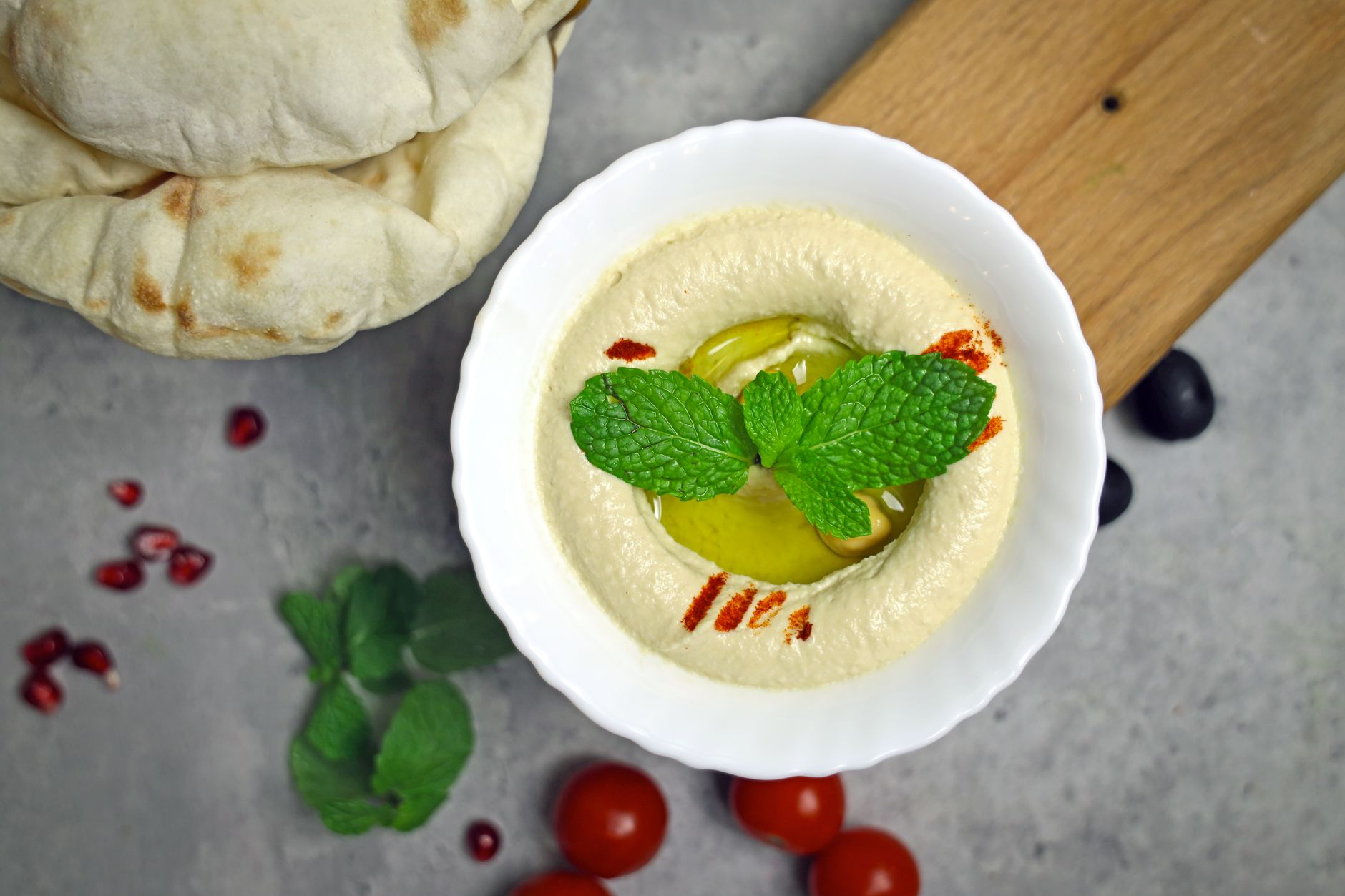
Data indicates that sales of specialty cheeses, artisanal crackers, pre-cut produce, and charcuterie items have experienced sustained growth alongside this shift in consumer behavior. Grocery retailers are responding by expanding their grab-and-go deli sections and redesigning endcap displays to feature complementary snacking items. By grouping items like marinated olives, hummus, and pita chips together, supermarkets are actively catering to shoppers looking to assemble quick, unstructured meals on short notice.

This behavioral shift also intersects with changing household structures across major metro areas. Single-person households now represent a significant portion of the adult population in North America and Western Europe. For individuals living alone, preparing full multi-component meals often leads to excessive food waste and disproportionate cleanup effort. Grazing spreads offer an efficient alternative that allows solo diners to customize portion sizes precisely without committing to multi-day leftovers.

While the trend originated as a home-based convenience hack, the underlying consumer desire for varied, small-portion dining has profound implications for the hospitality industry. Independent operators and major chain restaurants are increasingly auditing their menus to ensure they offer flexible, shareable options that mirror these off-premise eating habits. Small plates, customizable snack boards, and expanded appetizer menus have become essential tools for driving higher margin sales.

Restaurateurs are finding that offering diverse grazing options allows them to attract diners who might otherwise skip traditional three-course meals due to cost or time constraints. Establishments featuring curated charcuterie offerings, artisanal dip flights, and tapas-style plates report strong engagement from younger demographics who prefer tasting multiple flavors over committing to a single heavy entree. This dining style also aligns perfectly with beverage-focused visits, driving lucrative alcohol sales at wine bars and craft cocktail lounges.

Furthermore, delivery and takeout operations are adapting to accommodate the demand for modular dining options. Mobile ordering platforms now frequently highlight small bite bundles, allowing users to build customized meal suites from various side items rather than ordering a traditional boxed dinner. This operational flexibility helps restaurants capture revenue from busy remote workers who want high-quality snack components delivered directly to their desks or homes.

As the movement continues to expand across digital platforms, nutritionists and food historians have weighed in on its broader health and cultural meanings. Critics initially expressed concern that celebrating low-effort snack plates could encourage nutrient deficiencies or promote irregular eating habits. However, many dietary experts note that a thoughtfully assembled grazing plate containing lean proteins, whole grains, healthy fats, and fresh produce can easily match the nutritional value of a cooked meal.

Culturally, the widespread acceptance of informal dining represents a notable departure from historical norms surrounding family dinners and rigid meal times. Food scholars point out that grazing and cold-plate dining have deep roots in European, Middle Eastern, and Mediterranean culinary traditions, where antipasto, mezze, and tapas have flourished for centuries. The current internet-driven resurgence simply updates these ancient dining styles for a fast-paced, digital environment.

Ultimately, the enthusiasm for low-effort spreads underscores a permanent shift in consumer expectations regarding convenience, autonomy, and presentation. As food costs remain high and personal schedules become increasingly fragmented, the desire for accessible, stress-free dining solutions will continue to shape how groceries are stocked and restaurant menus are developed.

For the average consumer, the normalization of informal dining offers validation that satisfying, nutritious evening meals do not require hours of cooking or expensive recipe kits. Embracing flexible snack-based plates can significantly reduce weekly food waste, lower grocery bills, and eliminate the stress associated with complex meal preparation after a long workday.

For diners visiting restaurants, this trend means a wider variety of menu choices designed around flexibility, sharing, and snackable portions. Expect to see more establishments offering customizable small plates, artisan grazing boards, and varied app-based bundles that let you tailor your dining experience precisely to your budget, appetite, and schedule.

Sources and methodology

Reported from the public datasets below.

All sources Foodie Pundit reports from

More from the Foodie Pundit Newsroom

Permalink