How Social Media Algorithms Are Forcing a Financial Reckoning in Restaurant Kitchens
Algorithm-driven dining shifts are forcing restaurant operators to redesign supply chains and balance short-term viral hype against operational profitability.
By Foodie Pundit Newsroom - Published - Updated - Section: Chain Watch
Key points
- Short-form video trends have compressed traditional five-year culinary adoption cycles down to mere days, straining operational flexibility.
- Sudden spikes in demand for niche ingredients create supply chain stockouts and force smaller operators to buy at inflated spot-market prices.
- Operators are leveraging virtual ghost brands and temporary digital overlays to capture viral hype without disrupting core physical menus.
Viral social media phenomena are no longer just online entertainment for food enthusiasts. Digital video platforms are actively reshaping menu design, supply chain forecasting, and financial risk profiles across the restaurant sector. A comprehensive report published by Health Time highlights how short-form video algorithms have accelerated consumer demand cycles from multi-year macro trends into volatile, short-lived purchasing spikes. Operators who once relied on predictable seasonal rotations now face sudden inventory shortages or overstocked walk-in coolers driven by viral video clips.
Historically, culinary shifts moved through a predictable five-stage adoption curve starting in fine dining, trickling down to fast casual concepts, and eventually reaching suburban grocery shelves over a five-year period. According to reporting from Health Time, algorithmically amplified social content has compressed this multi-year timeline into a matter of days. A single trending video featuring a novel ingredient pairing can trigger a regional run on wholesale supplies within seventy-two hours. This rapid acceleration leaves mid-sized restaurant groups struggling to balance immediate consumer curiosity against long-term purchasing agreements.
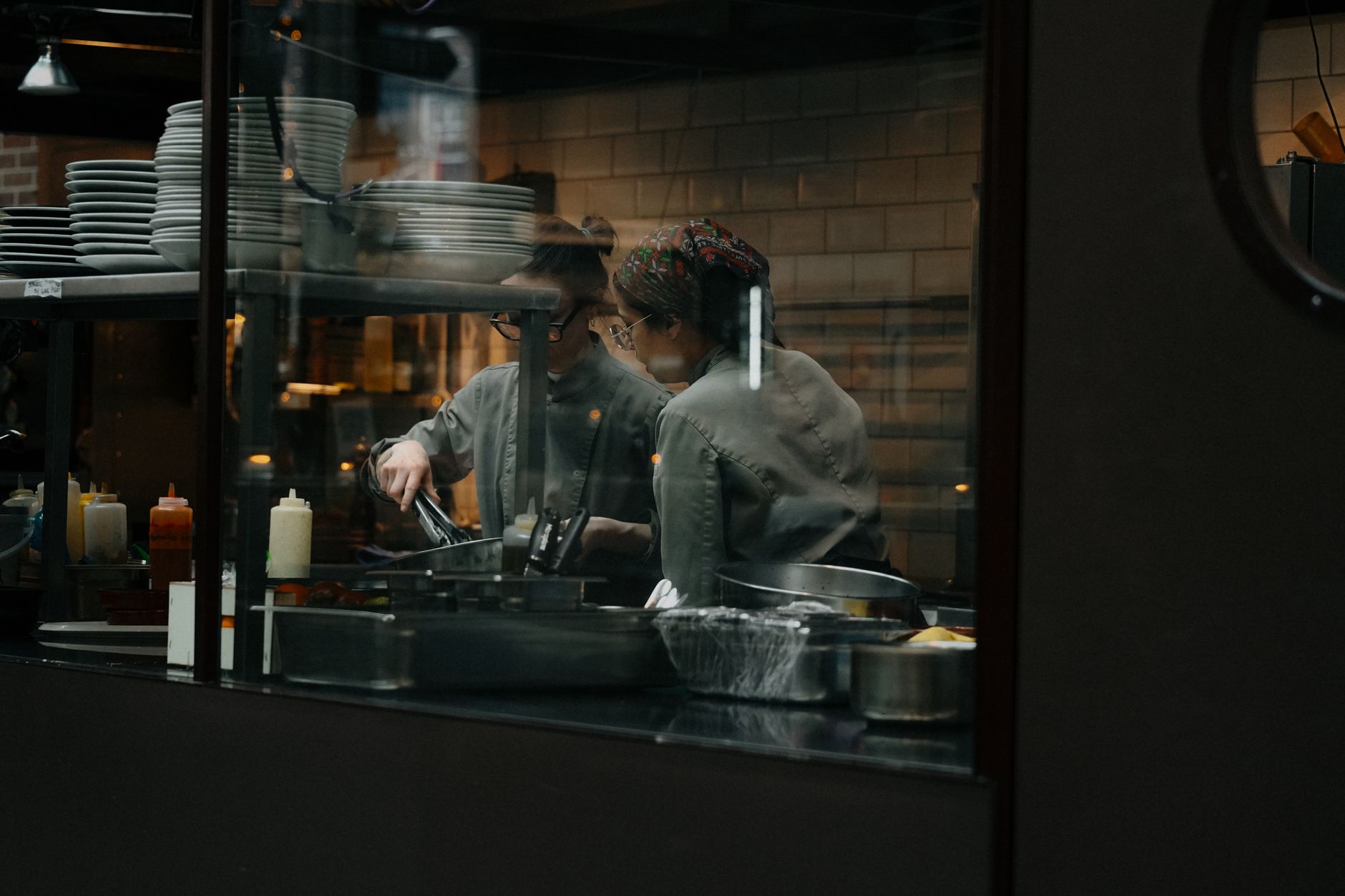
For commercial kitchens, the operational frictionless nature of digital virality creates significant labor and prep bottlenecks. Kitchen line workers must adapt to off-menu customization requests or rapidly master complex assembly techniques with minimal advance notice. Independent operators often lack the dedicated procurement teams required to source specialized ingredients at volume during sudden demand peaks. Consequently, smaller venues frequently lose potential margin gains to inflated spot-market wholesale prices during the height of a digital trend.
SUPPLY CHAIN VOLATILITY AND PROCUREMENT STRATEGIES
The financial impact of viral menu trends extends far beyond individual dining rooms and impacts global food distributors. Major food service vendors report unprecedented volatility in item-level velocity metrics as consumer interest pivots rapidly between novelty items. When a specific produce item or niche condiment trends online, local supply networks can experience localized stockouts that last for weeks. Distributors must balance the risk of holding excess perishable inventory against the potential cost of missing a short-lived retail boom.
To mitigate these supply shocks, enterprise restaurant brands are increasingly leveraging real-time social listening tools to predict regional purchasing surges. By tracking engagement metrics and search query density, corporate culinary teams attempt to secure forward contracts before spot prices escalate. However, reporting from Health Time emphasizes that even sophisticated predictive models frequently fail to anticipate which specific combination of ingredients will capture public imagination. Smaller regional chains are forced to remain nimble, opting for limited-time promotional overlays rather than permanent menu updates.
Visual presentation has always played a role in food service marketing, but modern digital platforms have elevated dish optics into a primary revenue driver. Modern operators are explicitly engineering menu items for photographic appeal, prioritizing vibrant color contrasts, dynamic textures, and dramatic melting or pouring table side presentations. While visually striking dishes generate substantial organic marketing impressions, they often carry lower gross profit margins due to elevated labor costs and costly decorative garnishes.
Restaurant finance directors must carefully calculate the true return on investment for visually driven menu items. While high-impact visuals effectively lower customer acquisition costs by generating earned media, they can severely degrade kitchen throughput during peak service hours. If a complex visual dish adds forty-five seconds to ticket times across a dinner shift, the resulting reduction in table turnover can easily eclipse the incremental revenue generated by viral interest. Successful operators limit high-labor viral items to off-peak promotional hours or digital-only ghost kitchen brands.
The rapid decay rate of social media trends has revitalized interest in virtual brands and cloud kitchen infrastructure. Because establishing a physical brick-and-mortar menu update requires long lead times for printing, staff training, and point-of-sale programming, operators are turning to temporary digital overlays. Virtual concepts allow multi-unit operators to launch niche, trend-focused menus on third-party delivery apps within days, testing consumer appetite without diluting their core brand identity.
These agile delivery-only concepts allow kitchens to monetize short-term consumer curiosity while protecting their primary brand equity. If a viral trend fizzles within a month, the operator can terminate the virtual storefront with zero disruption to their physical dining room operations. Health Time notes that this strategy decouples a restaurant company from the risk of long-term inventory commitments, allowing operations teams to cycle through experimental offerings at minimal capital expenditure.
For the everyday diner, the rapid integration of social trends into physical menus creates a dynamic but potentially unpredictable dining experience. Consumers can expect to see more rapid turn-over in seasonal offerings, highly visual limited-time promotions, and frequent cross-category ingredient experiments at local eateries. However, this hyper-fast innovation cycle can also lead to higher overall menu prices as operators pass along the elevated costs of spot-market ingredient sourcing and specialized kitchen labor.
As a consumer, navigating this evolving landscape requires an awareness of how digital hype influences restaurant pricing and service quality. Dining during peak hours at venues currently hosting viral menu items may result in longer wait times or limited availability of core staple items. To enjoy consistent quality and value, look for operators that utilize flexible, high-margin base ingredients across their menu, rather than those relying heavily on single-use viral gimmicks to drive foot traffic.
Sources and methodology
Reported from the public datasets below.
More from the Foodie Pundit Newsroom
- Visual Innovation Drives New Margin Strategies in Commercial Bakery Sector
- Asian Street Food Concepts Redefining Fast Casual Economics and Menu Strategy
- How Asian Street Food Economics Are Reshaping the Fast Casual Landscape
- Borough Market Announces Major Redevelopment Plan Featuring New Dining Concepts
- Chicken Salad Chick Sets June 9 Grand Opening in Pleasant Grove