How the Miso Chocolate Tart Became the Culinary World Secret Weapon
Pastry programs leverage fermented soybean paste to create complex, high-margin chocolate desserts that appeal to modern palettes.
By Foodie Pundit Newsroom - Published - Section: Desserts Snacks
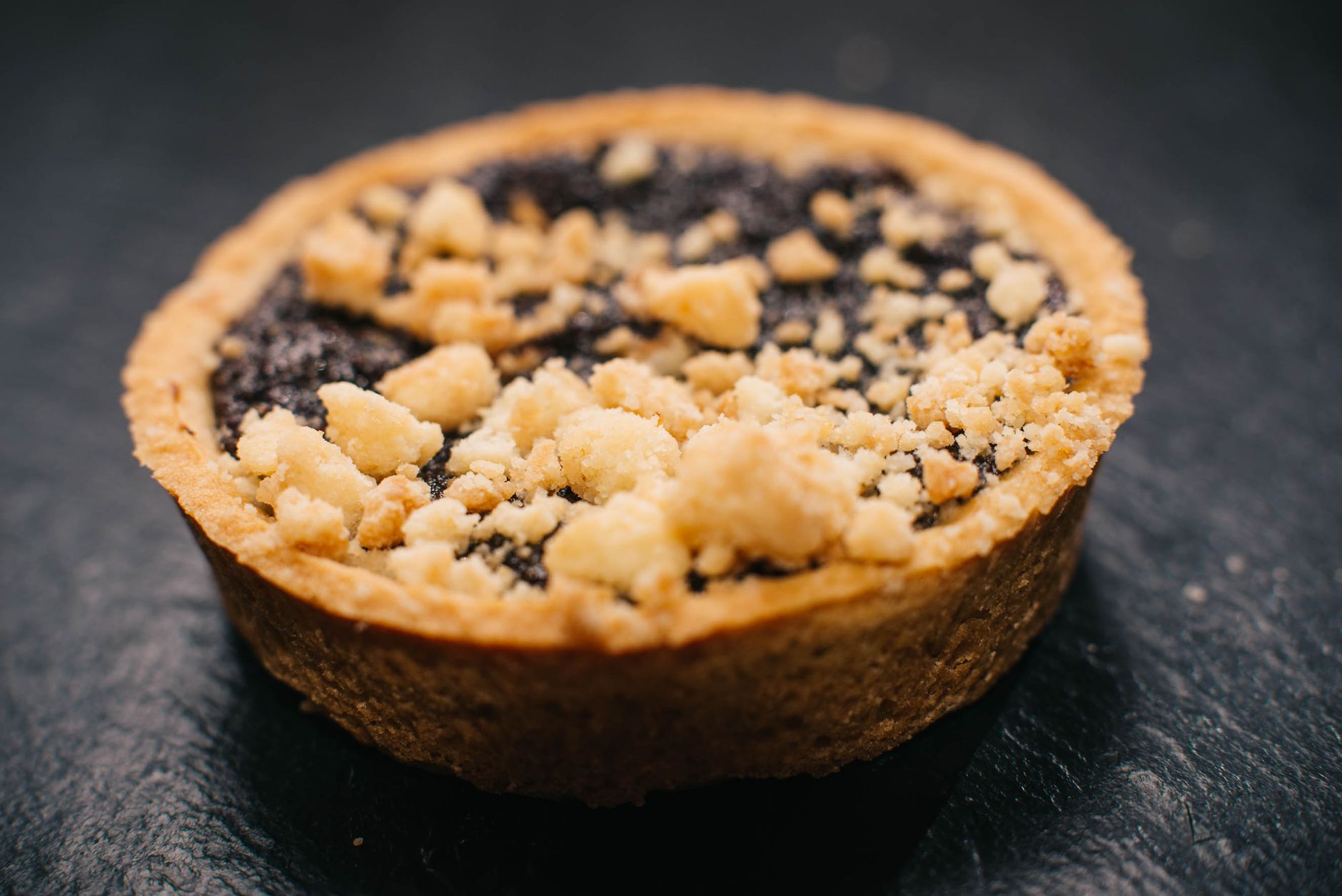
Key points
- Miso adds amino acids and salt that balance dark chocolate acidity and sweetness without extra sugar.
- White miso offers a mild profile ideal for lighter ganaches, while aged red miso pairs best with dark chocolate.
- Batch-prepared chocolate tarts provide strong kitchen efficiency and stable shelf life for operators.
- Cross-cultural ingredient integration continues to drive dessert sales and higher average check sizes.
The pastry kitchen has long served as a testing ground for unexpected culinary pairings, but few combinations have captured the attention of contemporary menu developers quite like rich chocolate and fermented soybean paste. The rise of the miso chocolate tart represents a broader movement within the restaurant industry to reexamine traditional dessert profiles through the lens of umami. By introducing savory, salt-forward elements into classic confectionery formats, culinary teams are finding new ways to elevate standard items without adding excessive sugar or complex production steps.
As reported by ABC News, the appeal of incorporating miso into chocolate preparations lies in the chemical and flavor synergy between the two ingredients. Dark chocolate possesses natural acidity and subtle bitter notes that can sometimes overpower the palate when paired solely with sweet components. The addition of white or red miso introduces fermentative complexity, glutamates, and a deep salinity that softens the harsh edges of cocoa. This interaction creates a balanced profile that encourages longer lingering on the palate, a characteristic highly prized by pastry chefs aiming for memorable dining experiences.
From a sensory perspective, the human tongue responds positively to contrasting taste vectors, particularly when fat, sugar, and salt intersect. Traditional dessert baking relies heavily on fine sea salt or salted butter to cut through heavy creams and sugars, but fermented pastes offer a far more intricate compound structure. Miso contains rich amino acids developed during the fermentation of soybeans and rice or barley cultures. When blended into a warm ganache, these proteins enhance the perception of cocoa notes while grounding the overall sweetness in a rich, savory base.
Pastry specialists often select specific varieties of miso depending on the desired intensity of the final dish. Shiro miso, or white miso, features a shorter fermentation cycle and a milder, sweeter flavor profile that blends seamlessly into milk chocolate fillings and custard bases. Red or dark miso, which undergoes extended aging, delivers a pungent, earthy punch that holds up well against aggressive 70 percent dark chocolates. This versatility allows menu planners to calibrate the sweet and savory balance based on regional consumer preferences and existing pantry inventories.
Beyond consumer taste preferences, the incorporation of ingredients like miso into the pastry workflow addresses critical operational challenges facing modern food service operations. Restaurant operators face continuous pressure from rising labor costs and fluctuating ingredient prices. Confectionery programs require high skill levels and dedicated prep time, making streamlineable, high-impact recipes essential for maintaining profit margins on the back end of the menu.
A miso chocolate tart relies primarily on standard kitchen staples like high-quality chocolate, heavy cream, butter, flour, and commercially produced miso paste. The production process does not require specialized, high-maintenance machinery or rare micro-ingredients that increase waste risks. Kitchen staff can prepare tart shells and ganache fillings in large batches during off-peak morning hours. Because chocolate ganaches stabilized with miso hold up exceptionally well under refrigeration, these tarts offer strong shelf stability without compromising on visual appeal or texture at the time of service.
The demand for complex, less sweet desserts is largely driven by evolving consumer dining habits. Modern restaurant guests, particularly younger demographics, exhibit a growing preference for global flavor profiles and functional ingredients. Traditional, high-sugar desserts like basic frosted cakes or simple fudge brownies are increasingly viewed as heavy or uninspired options. Incorporating umami-rich elements taps into a wider trend of adventurous eating, allowing operators to market familiar formats with an artisanal, elevated twist.
This shift also opens strategic marketing channels for operators looking to boost dessert capture rates. Positioning a dessert as a unique flavor experience rather than a standard sweet indulgence encourages table sharing among diners who might otherwise skip the final course. Higher dessert capture rates directly translate to elevated average check sizes, providing a crucial revenue cushion for full-service dining establishments operating on narrow margins.
The integration of East Asian pantry staples into Western pastry formats reflects a decades-long trend of cross-cultural culinary exchange that continues to accelerate. Ingredients such as matcha, sesame, yuzu, and miso have transitioned from niche specialty markets into mainstream food service distribution networks. This widespread availability has dramatically lowered the cost barriers for independent restaurants and regional chains looking to experiment with fusion concepts.
Distributors now routinely stock various grades of fermented pastes alongside standard baking chocolate and dairy products. This ease of sourcing enables culinary directors to maintain consistency across multiple locations without relying on specialized importers. As global ingredients become standardized across broadline food service catalogs, the barrier to entry for innovative menu engineering continues to fall, encouraging further experimentation on dessert menus nationwide.
For the home baker and casual enthusiast, the mainstreaming of the miso chocolate tart means that high-end restaurant flavors are fully accessible in the residential kitchen. You do not need professional-grade equipment or expensive culinary tools to replicate these results at home. Standard white miso, available at most traditional grocery outlets, can be whisked directly into warm cream before pouring over chopped baking chocolate to create a rich, balanced tart filling.
For restaurant operators and hospitality workers, this trend underscores the importance of maximizing existing inventory through creative flavor pairing. Adding a small amount of a high-impact savory ingredient like miso can revitalize a standard chocolate program without driving up food costs or complicating kitchen prep schedules. As diners continue to seek out nuanced, low-sugar options, leaning into umami-driven pastry concepts provides a reliable path toward higher check averages and stronger guest satisfaction.
More from the Foodie Pundit Newsroom
- High End Pastry Techniques Shift to Home Kitchens as Lamination Science Demystified
- Professional Pastry Chefs Reveal Technical Fundamentals Behind Perfect Laminated Croissants
- New York Michelin Guide Expansion Triggers High Stakes Reservation Scramble and Operational Pressure
- New York Michelin Surge Triggers Immediate Reservation Bottlenecks and Industry Re-Pricing
- How Viral TikTok Pasta Recipes Are Disrupting Fine Dining Prestige