How Viral No-Cook Meals Transformed Modern Grocery and Restaurant Economics
The low-prep, assembly-style dining trend continues to reshape grocery buying habits, restaurant menus, and household budgets across the country.
By Foodie Pundit Newsroom - Published - Section: Grocery Cpg
Key points
- Viral no-cook dining trends have outlasted standard social media lifecycles to become a permanent lifestyle strategy.
- Grocery retailers and packaged goods brands are optimizing product layouts and inventory around high-margin snacking items.
- Restaurants are adapting by expanding small-plate, grazing, and aperitivo menu concepts to capture casual diners.
- Component-based meals help budget-conscious consumers reduce food waste while maintaining flavor variety at home.
What began as a playful social media trend has transformed into a sustained shift in consumer dining habits. According to reporting from TODAY.com, the viral phenomenon known as girl dinner continues to dominate online discourse and home eating routines. The concept, which centers on effortless, low-prep or no-prep assemblies of odds and ends, has outlasted typical internet viral cycles to become a staple of modern food culture.
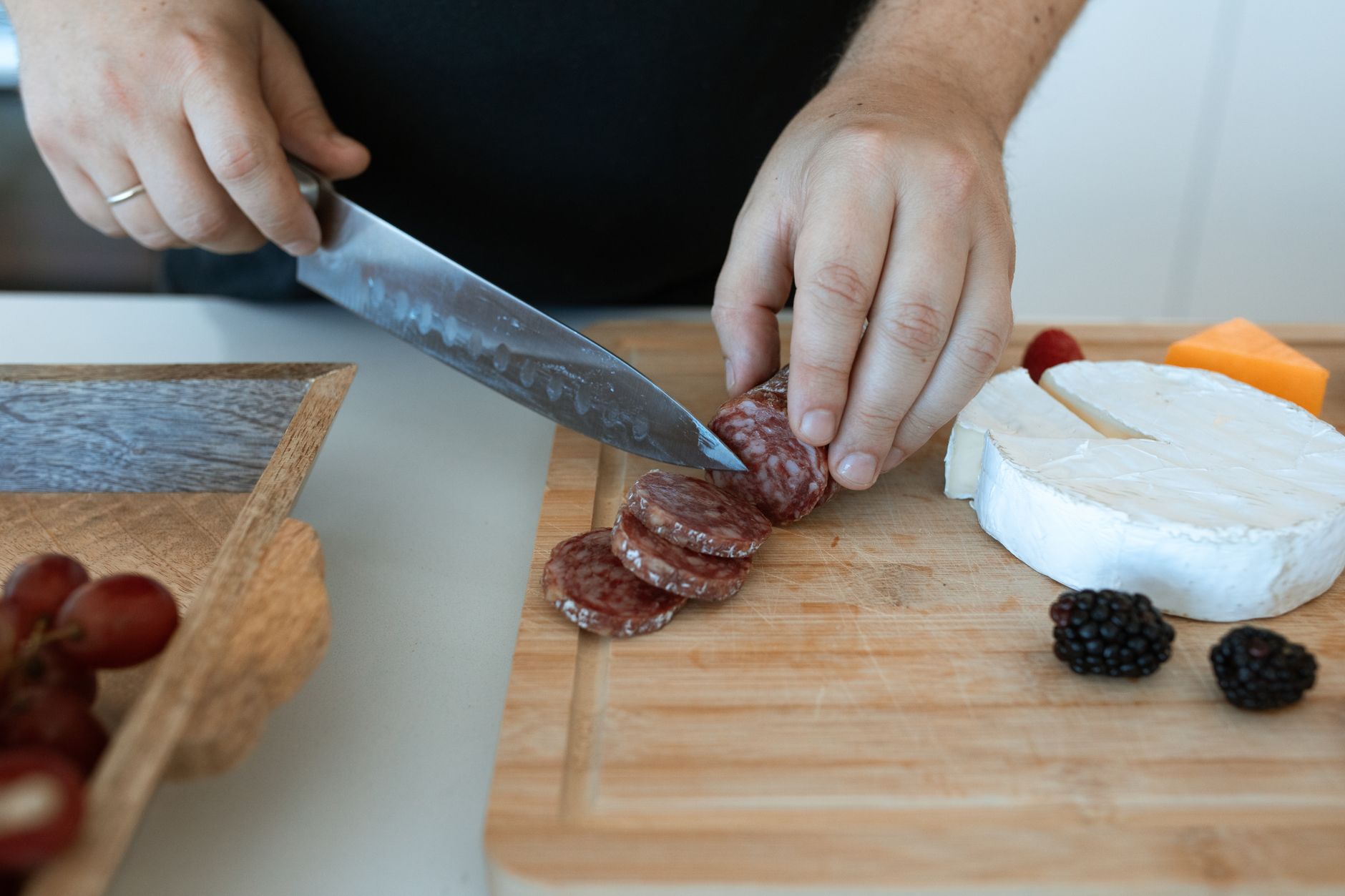
Consumers are increasingly abandoning traditional three-course dinner models in favor of snack plates, charcuterie spreads, and assembled grazing meals. Industry analysts note that this shift reflects broader cultural changes surrounding work schedules, solitary dining, and inflation. Rather than cooking complex meals from scratch, a growing segment of adults prefers combining dips, cheeses, crackers, cured meats, and fresh produce into casual personal feasts.
The longevity of the trend highlights a significant departure from rigid, formal meal structures. While initially popularized by younger consumers on short-form video platforms, the underlying mechanics of no-cook dining appeal across demographic lines. High stress levels, rising food costs, and the ongoing normalization of eating alone have made quick assembly meals a permanent strategy for evening sustenance.
Grocery retailers and consumer packaged goods brands are taking direct cues from this sustained dining style. Grocery store layouts are increasingly featuring consolidated snacking displays, pre-portioned charcuterie elements, and specialized dip selections positioned near the entrance. Specialty food purveyors report sustained demand for artisan cheeses, preserved fish, high-end crackers, and gourmet spreads that elevate quick home assembly.
The economics of no-cook dining present a distinct advantage for value-conscious shoppers during periods of grocery inflation. By combining small portions of diverse pantry ingredients, consumers can create satisfying meals without committing to expensive fresh proteins that risk going to waste. This approach minimizes food waste while providing a sense of novelty and customization at every meal.
Pre-packaged snack kits and adult Lunchables are experiencing elevated sales numbers as standard brand offerings. Manufacturers are actively marketing component foods designed to be combined rather than consumed in isolation. This strategy allows food processors to capture premium margins on basic items like pickles, olives, nuts, and sliced cheeses by framing them as essential elements of curated home dining experiences.
The hospitality industry is adapting to these evolving home habits by updating digital and brick-and-mortar menu offerings. Restaurants are increasingly introducing elevated grazing boards, expanded small-plate sections, and customizable snacking platters to capture consumers accustomed to continuous, informal eating. Many establishments now feature aperitivo hours and wine-and-snack pairings tailored specifically to the grazing audience.
Fast-casual operators are similarly adjusting their formats to cater to assembly-focused preferences. Snack-sized portions, side-heavy combinations, and modular dips are becoming central features of menu architecture rather than simple add-ons. Operators recognize that offering flexible, mix-and-match items allows them to capture revenue from diners who might otherwise skip traditional full-service meals altogether.
Delivery platforms are also seeing shifts in ordering patterns associated with this movement. Consumers frequently place order combinations consisting entirely of appetizers, sides, and specialty condiments from multiple vendors. Independent restaurants that lean into high-margin items like house-made spreads, seasoned nuts, and curated charcuterie selections are finding success in engaging this demographic.
CULTURAL LONGEVITY AND ECONOMIC REALITIES
The lasting power of social media dining trends often depends on their practical utility in daily life. Unlike labor-intensive viral recipes that require obscure ingredients, the assemble-it-yourself ethos addresses real pain points around time management, domestic labor, and financial stress. Reporting from TODAY.com confirms that user engagement around these casual meal compositions remains consistently high across digital channels.
The psychological component of low-effort meal preparation also plays a major role in its staying power. Preparing a complex meal after a long workday can feel like unpaid labor, whereas arranging small bites on a plate offers a sense of creative autonomy without the associated cleanup burden. This low-barrier approach removes the guilt historically associated with skipping traditional home-cooked suppers.
As economic pressures continue to shape household spending, the boundaries between snacking and mealtime will remain blurred. Food brands and restaurant groups that recognize this shift are pivoting away from rigid mealtime marketing. The rise of casual, component-based dining represents a permanent redefinition of how modern consumers structure their daily nourishment.
For everyday consumers, the ongoing popularity of assemble-your-own dining offers validation to prioritize convenience and personal preference over traditional cooking norms. Building meals from quality pantry staples, cheeses, and produce can reduce food waste and lower total grocery spend without sacrificing flavor or variety. Purchasing high-margin pre-packaged snack kits can quickly add up, so building custom spreads from bulk ingredient purchases remains the most cost-effective path.
Restaurant goers will likely see more menu real estate dedicated to shareable plates, customizable dips, and curated board options across all price points. Diners looking for flexibility can take advantage of expanded small-plate offerings to create tailored, lower-cost dining experiences when eating out. As hospitality venues lean into informal grazing menus, consumers gain greater control over both portion sizes and overall meal spending.
Sources and methodology
Reported from the public datasets below.
More from the Foodie Pundit Newsroom
- Viral Video Trends Reshape Consumer Grocery Habits and Menu Innovation
- Kroger Raises Hourly Store Wages to Counter Persistent Living Expense Pressures
- Kroger Adjusts Store Wages as Retail Grocery Staff Face Persistent Inflation Pressures
- Taco Bell Targets 1,000 New International Locations by 2029 in Major Global Push
- Kroger Raises Worker Wages to Ease Inflation Pressures on Supermarket Staff