Why the Girl Dinner Phenomenon Holds a Lasting Grip on Food Culture and Retail Sales
Social media trends toward effortless, assembled meals are proving to be a lasting shift in consumer behavior and food service economics.
By Foodie Pundit Newsroom - Published - Section: Restaurants
Key points
- Low-prep, no-cook meals remain a dominant force on social media, influencing broader consumer food choices.
- Grocery retailers and specialty food manufacturers are seeing sustained demand for high-end snack components and tinned seafood.
- Restaurants and wine bars are adapting by expanding small-plate offerings and customizable grazing options on menus.
- Economic pressures and rising solo dining trends continue to push consumers away from traditional, complex dinner preparation.
THE SURGING RESILIENCE OF UNASSEMBLED DINING
The social media phenomenon known as girl dinner has transitioned from a fleeting viral moment into a lasting cultural shift in how consumers approach modern dining. Originally popularized on TikTok, the trend centers on low-effort, low-prep, and often no-cook meals that prioritize personal preference over traditional culinary structure. According to recent reporting by TODAY.com, the concept continues to dominate digital food platforms, signaling a deeper evolution in consumer habits that food service operators and grocery brands are eager to capture.
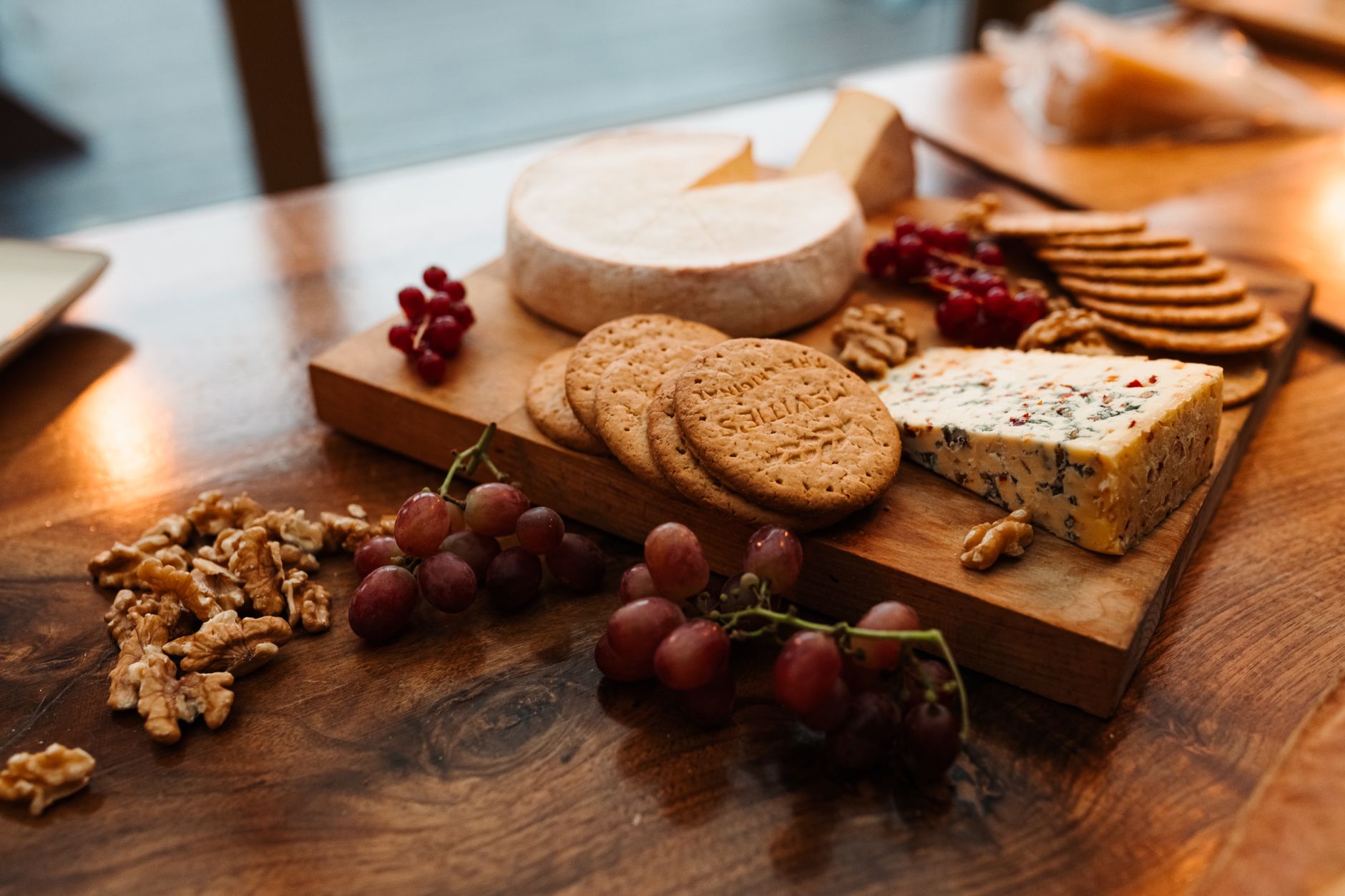
What began as casual video posts featuring plates of sliced cheese, grapes, pickles, and canned fish has grown into a major reference point for modern eating. Market analysts note that the underlying economic and lifestyle factors driving the trend show no signs of abating. Busy schedules, rising food costs, and a growing rejection of formal meal preparation have created ideal conditions for this unstructured style of eating to flourish.
The continued popularity of girl dinner on platforms like TikTok and Instagram has generated billions of impressions, creating a powerful marketing vector for specialty food producers. Charcuterie components, artisanal crackers, high-end tinned seafood, and specialty dips have all seen sustained demand spikes linked directly to online meal sharing. Grocery retailers have responded by redesigning endcap displays and deli counters to cater directly to shoppers looking to assemble quick, highly customizable snack plates.
This visual economy relies heavily on aesthetics, transforming basic pantry staples into curated culinary experiences. Consumers often post their snack arrangements to share personal tastes and comfort routines, turning what used to be a private convenience meal into a social statement. For food manufacturers, this shift represents a golden opportunity to promote premium packaged goods that require zero preparation time from the end consumer.
RESTRUCTURING THE TRADITIONAL DINNER PLATE
The permanence of this trend challenges long-held industry definitions of what constitutes an evening meal. For decades, the standard dinner structure in North America revolved around a primary protein accompanied by two cooked sides, such as a starch and a vegetable. The rise of assembled eating reflects a departure from these strict meal formats, replacing them with modular, snack-forward grazing plates.
Sociological research into eating habits suggests that solo dining experiences are on the rise, driven by changes in household demographics and remote work schedules. When individuals dine alone, they are significantly less likely to engage in elaborate cooking processes that produce excessive dishes or leftovers. A plate composed of disparate, ready-to-eat elements satisfies immediate hunger without the cognitive load or time investment of traditional meal preparation.
The influence of this viral trend extends far beyond home kitchens and grocery aisles, directly impacting menu development across the restaurant sector. Dining establishments are increasingly expanding their small-plate offerings, appetizer listings, and customizable grazing boards to appeal to patrons seeking lighter, more varied dining options. Tapas-style formats, wine bar menus, and curated charcuterie programs allow venues to capture the essence of girl dinner while charging premium prices for quality ingredients.
By leaning into this snacking culture, operators can lower kitchen prep complexity while maintaining strong profit margins on high-value items like cured meats, aged cheeses, and house-made spreads. Furthermore, offering flexible, assemble-your-own menu items encourages group sharing and higher beverage sales, particularly in casual and upscale wine bar environments. Operators report that consumers view these grazing options as approachable luxuries that offer high satisfaction at a controlled price point.
Inflation and economic pressure have played a quiet but significant role in cementing this style of dining into daily routines. As dining out at full-service restaurants becomes more expensive, consumers look for ways to replicate enjoyable, aesthetically pleasing meals at home without spending hours in the kitchen. Purchasing a few high-quality snack items at a grocery store allows diners to enjoy a boutique culinary experience at a fraction of the cost of a formal restaurant meal.
Convenience also remains a paramount driver for contemporary shoppers, especially young adults balancing multiple jobs, education, and busy social lives. The time saved on prep work and cleanup makes no-cook plates uniquely appealing after long workdays. Food manufacturers that offer portion-controlled, pre-packaged snacking elements are positioned to capture a growing market share as this preference for convenience continues to mature.
For consumers, the ongoing popularity of girl dinner provides validation for a flexible, low-stress approach to daily nourishment. You can embrace simple, assembled meals that fit your lifestyle without feeling pressure to cook elaborate multi-course dinners every night. Mixing and matching pantry staples, fresh fruits, and high-quality packaged goods allows you to save time, reduce food waste, and manage your grocery budget effectively.
For restaurant owners, retail buyers, and packaged food brands, the message is clear. Modular, low-prep, and customizable food options are no longer just a social media phase; they are a permanent fixture of consumer demand. Businesses that offer premium, bite-sized, and easily shareable products will continue to find a receptive audience among diners who value speed, flexibility, and high-quality ingredients over traditional meal structures.
Sources and methodology
Reported from the public datasets below.
More from the Foodie Pundit Newsroom
- New York City Oldest Diner Forced to Close After Nearly a Century of Service
- Century Old Recipe Trend Dominates Feeds as Consumers Seek Simplicity and Value
- End of an Era as NYC Oldest Diner Faces Eviction After Nearly a Century in Business
- Plant Based Pastries Reach Culinary Parity as Formulation Science Advances
- Kroger Raises Store Worker Pay as High Grocery Bills Hit Frontline Staff