How Viral Snack Trends Are Bringing Restrictive Dieting Back To Social Feeds
Viral social media trends like girl dinners may be quietly promoting restrictive diet habits under the guise of casual snack culture.
By Foodie Pundit Newsroom - Published - Updated - Section: Desserts Snacks
Key points
- Viral social media trends like girl dinners often showcase low-calorie snack plates as complete meals.
- Experts suggest these trends allow restrictive eating patterns to bypass platform moderation through humor and trendy aesthetics.
- Gendered meal framing reinforces outdated stereotypes regarding physical appetite and caloric needs.
- Consumers are advised to rely on personal hunger cues rather than digital trends when planning balanced meals.
Social media platforms have recently transformed how young adults document and share their daily eating habits. Short videos featuring snack assemblies, branded under quirky names like girl dinner, have amassed billions of views across popular applications. While many users view these posts as relatable comedy or casual cooking inspiration, nutritional experts and health researchers are taking a closer look at the underlying messaging. A growing body of analysis suggests these viral trends may be repackaging restrictive eating behaviors under the guise of lighthearted digital culture.
Reporting published by The Conversation highlights how social media algorithms amplify specific food choices, often favoring minimalist or low-calorie meals. What begins as a humorous depiction of an uninspired dinner can quickly turn into an informal benchmark for acceptable portion sizes. When millions of viewers consume these images daily, the cumulative effect can normalize inadequate calorie intake. Analysts point out that the casual nature of these videos makes restrictive patterns harder to spot than traditional diet marketing.
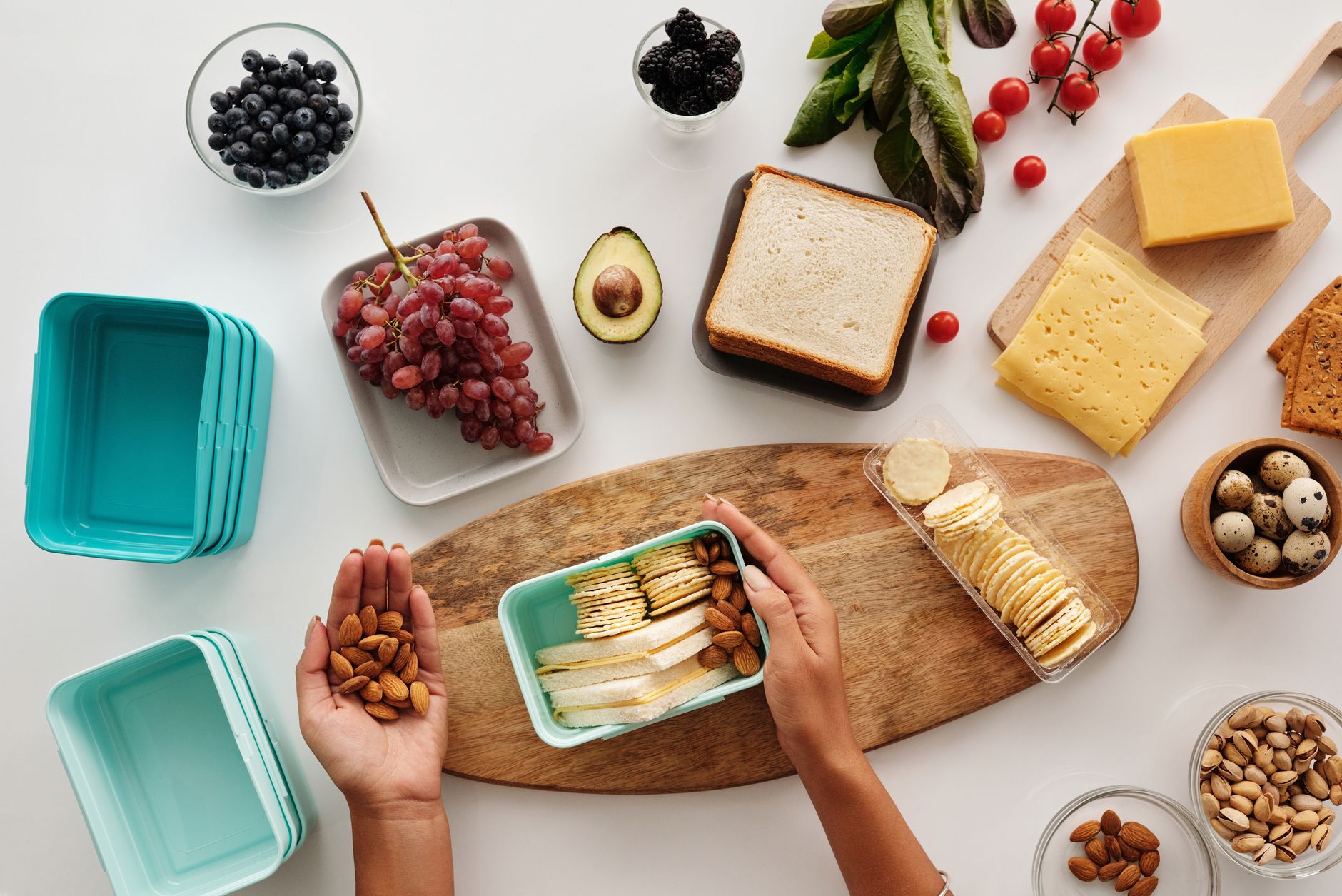
The typical video in this genre features a plate filled with disparate snack items, such as a handful of olives, a few slices of cheese, a handful of berries, and a hard-boiled egg. Users often frame these assemblies as a whimsical alternative to preparing a conventional cooked dinner after a long day. The trend originally gained traction as a celebration of effortless eating, giving people permission to skip complicated recipes. However, as the trend expanded, the contents of these displayed plates steadily shrank, with some creators posting absurdly minimal portions like a single pickle or a glass of water.
Dietitians observing the movement note that while grazing on small plates can be a healthy practice, the public sharing of extremely low-calorie combinations creates a subtle pressure on viewers. The visual nature of video platforms rewards aesthetic presentation over nutritional density. As a result, colorful but low-energy foods tend to perform better in engagement metrics than dense, balanced meals. This algorithmic preference can skew public perception regarding what constitutes a sufficient meal for an active adult.
For decades, commercial diet culture relied on explicit messaging focused on weight loss, point systems, and formal meal replacements. Today, younger audiences generally reject traditional dieting rhetoric, preferring content that emphasizes wellness, convenience, and intuitive habits. Experts note that restrictive eating practices have adapted to this cultural shift by adopting fresh terminology and aesthetic framing. Viral meal videos fit neatly into this new landscape, offering a way to display low calorie intake without using explicit weight loss terminology.
Research into online food communities shows that humor and self-deprecation are frequently used to mask disordered eating behaviors. By labeling an inadequate meal with a playful term, creators lower the social resistance that might otherwise meet a post about skipping dinner. Viewers react with likes and supportive comments, reinforcing the behavior for the creator while signaling to the audience that tiny portions are trendy and desirable. The Conversation notes that this backdoor approach allows restrictive ideas to circulate freely without triggering platform content warnings regarding dangerous eating habits.
The audience for short-form video content skews heavily toward teenagers and young adults, demographics that are uniquely vulnerable to peer influence and body image concerns. When young users scroll through dozens of videos showcasing small snack plates as complete dinners, their internal expectations regarding normal eating habits begin to shift. Public health advocates worry that this continuous exposure creates an environment where skipping proper meals becomes a social standard.
Clinical psychologists point out that the gendered framing of these trends adds another layer of complexity. Labeling minimal snack plates with gendered terms reinforces old stereotypes regarding female appetite and physical restraint. It suggests that lighter, lower calorie meals are inherently feminine, while heavier meals belong to other categories. This subtle gendering of food can induce guilt in individuals who require higher caloric intake to sustain their daily activities, leading them to question their natural hunger cues.
As public scrutiny around viral health trends grows, tech companies face increasing pressure to monitor how food content is presented on their networks. Major platforms have implemented policies designed to remove content that directly promotes eating disorders, but vague meal trends exist in a grey regulatory zone. Because a snack plate is not explicitly marketed as a diet, platform moderators rarely flag these posts, allowing them to distribute widely through automated recommendation systems.
Nutritionists recommend that consumers cultivate a critical eye when scrolling through social media food content. Understanding that viral videos are curated for maximum engagement rather than personal health can help individuals detach their eating habits from digital trends. Public health organizations are also calling for more comprehensive digital literacy education, aiming to equip young users with the skills needed to recognize hidden diet rhetoric in their daily feeds.
For everyday consumers and restaurant operators alike, the rise of viral meal trends highlights a shift in how people view convenience and dining. If you frequently find yourself relying on small snack plates instead of structured meals, it is worth evaluating whether you are meeting your daily energy needs. While occasional light eating is entirely normal, using viral social media posts as a benchmark for your personal diet can lead to unintentional undernourishment.
Food service operators and grocery retailers are also responding to these shifting consumer habits by offering pre-packaged snack boards and smaller portion options. While these products provide genuine convenience for busy schedules, consumers should treat them as supplements rather than complete meal replacements. Paying attention to physical hunger cues rather than digital aesthetics remains the most reliable way to maintain a healthy relationship with food.
For additional insights into the broader economic forces shaping the food industry, please visit the Foodie Pundit Economics Dashboard.
Sources and methodology
Reported from the public datasets below.
More from the Foodie Pundit Newsroom
- Global Food Prices Spike Again as Brief Period of Consumer Relief Ends
- Michelin-Starred Culinary Elite Expand Flagship Venues in Central London
- Taste Over Tourism: Food Replaces Sightseeing as Primary Travel Driver
- Inside The High-Yield Micro-Economics Of Thai Street Food Stalls
- The Experience Economy: How Dining Became a Status Symbol