Independent Spots Cut Hours and Menus as Frontline Labor Crisis Holds Firm
Small business operators face mounting operational hurdles as frontline hiring challenges persist across the hospitality sector.
By Foodie Pundit Newsroom - Published - Section: Restaurants
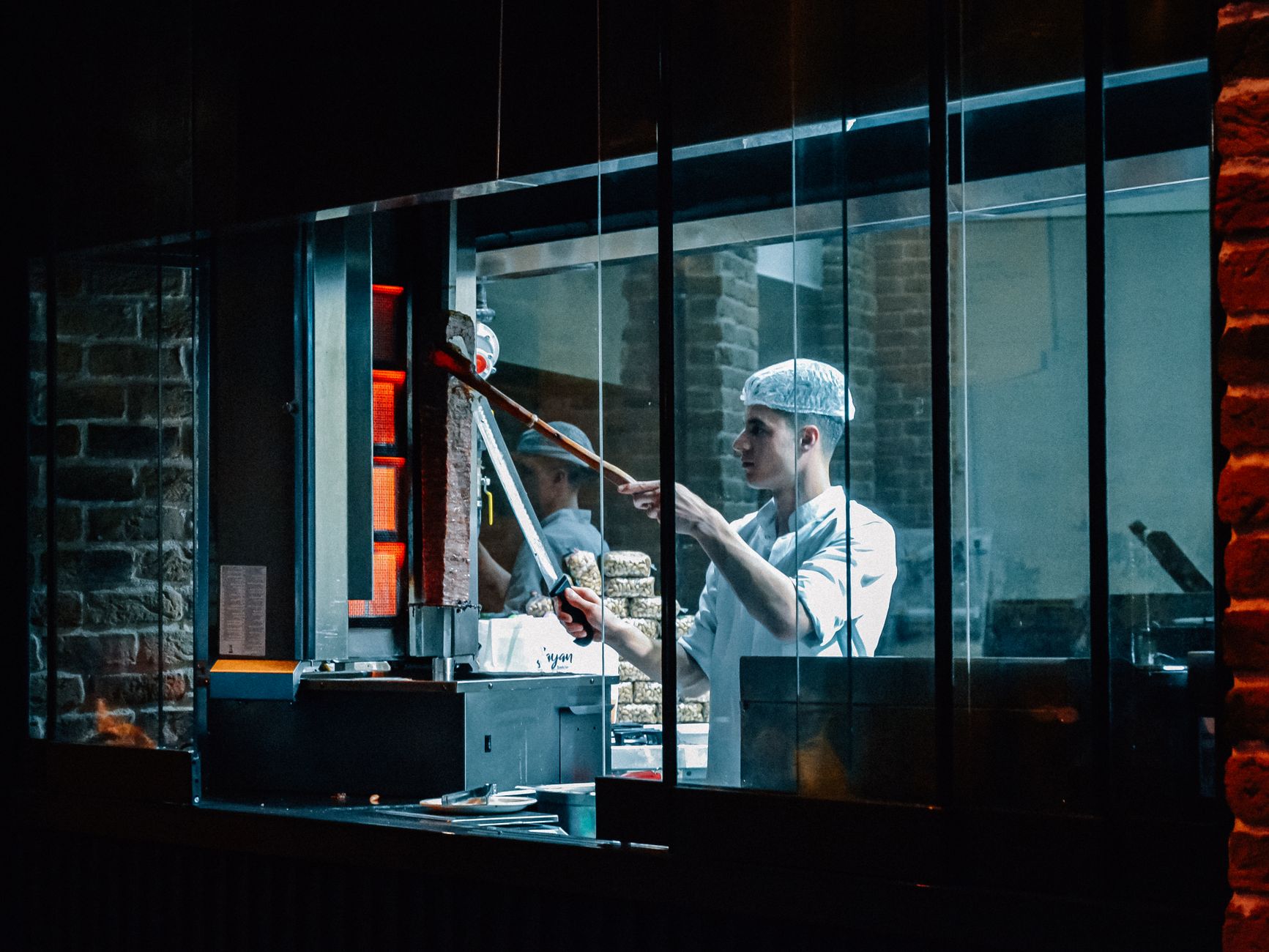
Key points
- Independent restaurants continue to experience severe frontline labor shortages while corporate chains use capital to automate and stabilize staffing.
- Operators are actively shortening operating hours, closing on slow days, and simplifying menus to manage chronic understaffing.
- Retention now depends heavily on predictable scheduling, workplace culture, and wage parity between front and back of house teams.
- Consumers must adapt to higher menu prices and condensed operating hours as independent eateries restructure for long term survival.
Independent restaurant operators across the United States are confronting a persistent workforce shortage that continues to destabilize daily operations and limit business growth. While larger corporate chains have managed to stabilize their staffing levels through massive technology investments and expanded benefit packages, neighborhood eateries and single-location operators remain caught in a prolonged hiring squeeze. Industry data compiled by Nation's Restaurant News indicates that frontline positions, particularly line cooks, dishwashers, and shift supervisors, remain extremely difficult to fill and retain.
The lingering labor crisis stems from a fundamental shift in worker priorities that accelerated over the past four years. Former hospitality employees have increasingly transitioned into warehouse fulfillment, ride-hailing, gig delivery, and remote customer service roles that offer fixed schedules and fewer physical demands. Consequently, independent operators are forced to compete for a smaller pool of applicants while managing rising food costs and escalating commercial rents.
THE STRUCTURAL ADVANTAGE OF NATIONAL CHAINS
The gap between corporate dining conglomerates and independent operators has widened significantly throughout the past year. National brands possess the capital reserves necessary to implement automated order kiosks, streamlined kitchen display systems, and automated inventory tracking tools that reduce total required headcount. Multi-unit operators can leverage scale to secure comprehensive health insurance plans, tuition reimbursement programs, and signing bonuses that small business owners simply cannot match within tight operating margins.
Independent owners, operating on net profit margins that frequently hover between 3% and 6%, find themselves unable to absorb endless wage hikes without raising menu prices to levels that alienate local regulars. When an independent venue attempts to match corporate wage rates, the resulting overhead often forces compromises elsewhere, such as trimming operating hours or reducing menu complexity. This dynamic creates a vicious cycle where remaining staff members experience burnout due to chronic understaffing, leading to higher turnover rates and recurring recruitment costs.
To keep their doors open, independent restaurateurs are restructuring their traditional business models in creative yet challenging ways. Many operators have permanently eliminated lunch services, opted to close on Mondays and Tuesdays, or shortened their late-night bar service hours to concentrate staff during peak revenue windows. These schedule compressions help prevent employee exhaustion, but they also cap total weekly revenue potential and limit community access.
Menu rationalization has emerged as another primary survival tactic across the independent sector. Kitchen managers are stripping labor-intensive dishes from their menus, favoring items that require fewer prep steps or can be batch-cooked efficiently. By reducing cross-contact prep work and simplifying assembly lines, kitchens can operate effectively with three line cooks during a weekend rush instead of the five or six workers previously required.
Raising base pay is no longer a guaranteed solution for attracting and keeping reliable talent. Frontline workers increasingly prioritize predictable scheduling, respectful workplace cultures, and clear paths for professional advancement over minor wage premiums. Independent operators who succeed in retaining talent are often those offering guaranteed consecutive days off, transparent tip-pooling arrangements, and direct input into weekly shift planning.
Wage pressures remain formidable as local minimum wage laws continue to adjust upward in dozens of municipalities nationwide. In response, many independent establishments have adopted mandatory hospitality service charges or administrative fees to subsidize higher base wages for back-of-house staff. While these surcharges assist in narrowing the pay gap between tipped dining room servers and hourly kitchen staff, they occasionally trigger pushback from price-sensitive guests who prefer traditional tipping structures.
LONG-TERM OUTLOOK FOR NEIGHBORHOOD EATERIES
Industry analysts suggest that the structural labor deficit facing independent restaurants will not resolve in the immediate future. Demographics play a significant role, as the absolute population of traditional entry-level workers aged 16 to 24 has contracted relative to total labor demand across all service sectors. Independent dining establishments must accept that operating with leaner, better-compensated teams represents the permanent reality of the modern hospitality economy.
The future vitality of local dining hubs relies heavily on consumer willingness to adjust their expectations regarding pricing, service speed, and venue availability. As small business owners continue to refine their operational footprints, the dining public will likely encounter fewer open hours, smaller menus, and higher ticket totals. The survival of independent food service depends on transforming the traditional, labor-heavy model into an efficient, sustainable framework that values human capital as much as culinary craft.
Diners visiting local, independent restaurants should expect higher menu prices, condensed operating schedules, and streamlined menu selections as operators adjust to ongoing labor constraints. Guests may notice smaller dining room footprints or longer wait times during peak hours as lean staff teams manage both front-of-house service and kitchen production. Supporting your favorite neighborhood spots by respecting modified operating hours and understanding new pricing structures will be critical to keeping independent culinary culture alive in your community.
Sources and methodology
Reported from the public datasets below.
More from the Foodie Pundit Newsroom
- Why Slower Grocery Inflation Has Not Reduced Your Total Checkout Bill
- East Bay Burger Joint Abruptly Closes After Seven Years as Regional Dining Costs Soar
- May Restaurant Drops Highlight Premium Ingredients and Strategic Menu Engineering
- Pastry Hybrid Economics Drive New Revenue at Retail Bakeries
- Independent Restaurants Struggle to Staff Dining Rooms as Labor Pressures Persist