Inside the 3-2-1 Diet Craze and Its Ripple Effect on Food Service Economics
Analysis of the viral social media eating routine reveals how simplified nutrition frameworks influence consumer ordering habits and food retail sales.
By Foodie Pundit Newsroom - Published - Updated - Section: Social Virality
Key points
- The 3-2-1 diet simplifies daily meal planning through numeric structures focused on meals, snacks, and activity or plate ratios.
- Nutrition experts note the framework offers positive structure but caution against rigid adherence without personalized adjustments.
- Fast-casual restaurants and meal kit services are adapting menu configurations to cater to diners following structured portion rules.
- Grocery retailers are utilizing targeted product bundling and single-serve packaging to capture spending from meal-prepping consumers.
The food industry operates on a perpetual cycle of consumer health trends, with social media acting as the primary accelerator for new dietary habits. When a simple routine goes viral, its commercial influence ripples far beyond personal wellness channels. Restaurant chains, grocery suppliers, and packaged food manufacturers frequently find themselves adjusting product lines to capture shifting consumer dollars. The latest craze capturing public attention across short-form video platforms is the 3-2-1 diet, a structured eating pattern that promises simplified meal planning and rapid results.
As reported by Today, the trend has gathered millions of views from users eager for an easy framework to manage their daily intake. Nutritionists and industry analysts are closely tracking the phenomenon to evaluate whether it represents a sustainable lifestyle shift or another short-lived viral fad. For food service operators, understanding the mechanics behind such trends is essential for menu engineering and inventory forecasting. When millions of diners simultaneously adopt identical rules for their daily meals, standard ordering patterns shift rapidly.
The core appeal of the 3-2-1 framework lies in its numerical simplicity, which removes the need for complex calorie counting app interfaces. The standard interpretation of the regimen focuses on consuming three balanced meals, two healthy snacks, and one dedicated hour of physical activity or targeted hydration goal each day. Alternative variations floating around digital platforms tweak the numbers to represent specific food group ratios, such as three portions of vegetables, two portions of protein, and one portion of complex carbohydrates per plate.
This structured format appeals to time-strapped consumers who feel overwhelmed by traditional, highly restrictive diet plans. By packaging basic nutritional guidance into a memorable numerical slogan, content creators have successfully gamified daily meal preparation. The viral nature of the trend has sparked thousands of meal prep videos, grocery haul breakdowns, and recipe adaptations tailored specifically to fit the numeric criteria.
NUTRITIONAL EVALUATION AND EXPERT INSIGHTS
Dietary experts evaluated in recent coverage note that the 3-2-1 method possesses several positive attributes, particularly when compared to extreme crash diets. The emphasis on structured meals and snacks can prevent long periods of fasting that often lead to overeating later in the evening. Furthermore, variations that prioritize high-volume vegetables and lean proteins align well with standard public health guidelines. The routine encourages consistent daily habits rather than severe calorie restriction.
However, health professionals also raise familiar concerns regarding blanket dietary advice distributed via social algorithms. A static set of numbers cannot account for individual metabolic differences, underlying health conditions, or varying activity levels. Some nutritionists warn that adhering too strictly to rigid meal counts can foster an unhealthy relationship with food or create unnecessary stress when schedule disruptions occur. Sustainable wellness typically requires personalized flexibility rather than reliance on internet challenges.
COMMERCIAL IMPACT ON THE RESTAURANT SECTOR
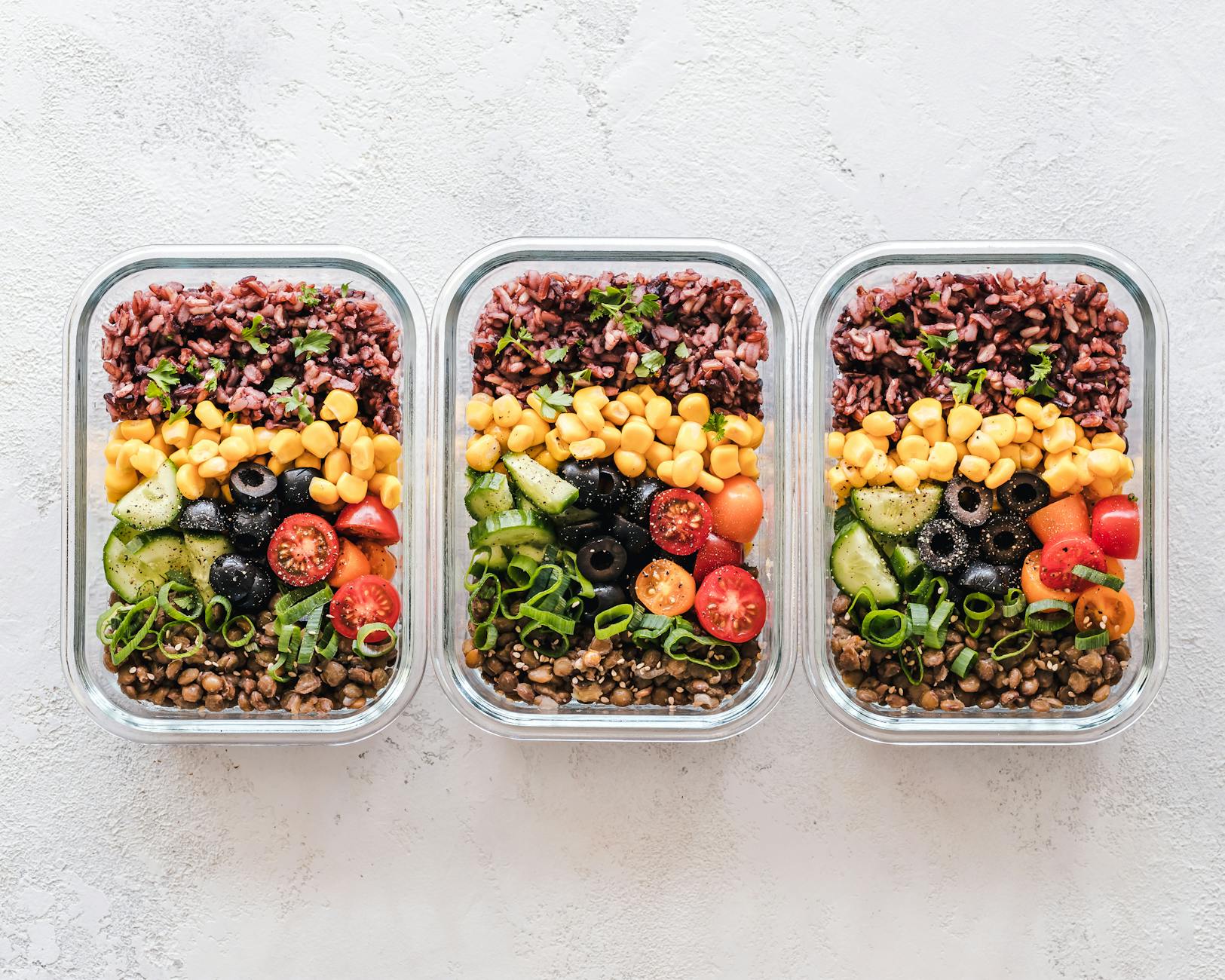
The rapid adoption of structured digital diets creates distinct operational challenges and opportunities for commercial kitchens. Fast-casual concepts and meal kit delivery services are particularly sensitive to these shifts in diner preferences. When consumers demand specific macronutrient breakdowns or clearly defined portion sizes, establishments that offer customizable build-your-own bowls and transparent nutritional information tend to gain market share.
Operators are increasingly auditing their menu architectures to ensure they offer combinations that naturally align with viral eating patterns. Fast-casual chains can easily market existing menu items as compliant with popular routines without altering their core inventory. Conversely, traditional full-service dining establishments face potential margin pressures if consumers systematically skip appetizers, desserts, or alcoholic beverages to fit strict daily meal counts.
Beyond the restaurant dining room, the packaged food sector is experiencing the downstream effects of the 3-2-1 movement. CPG brands are evaluating how their portion sizes and marketing messaging align with current consumer tracking habits. Single-serve protein items, pre-portioned snack packs, and ready-to-eat produce bundles have seen steady demand growth as shoppers seek convenient components to complete their daily numeric targets.
Retailers are leveraging these consumer habits by creating targeted end-cap displays and digital shopping lists designed around popular meal prep strategies. Merchandising team members frequently adjust store layouts to place compliant snack options and grab-and-go meals near front registers. This strategic alignment helps grocery chains maintain basket size values even when shoppers are actively trying to curtail overall food consumption.
For the average consumer, the 3-2-1 diet serves as a practical reminder that effective meal planning does not require overly complicated rules or expensive specialized products. The trend highlights basic nutritional principles that stress balance, portion control, and regular physical activity. If you choose to adopt the framework, treat it as a flexible baseline guidelines rather than an inflexible rulebook. Listening to your own hunger cues remains more important than adhering strictly to a trending numeric sequence.
For food industry professionals and restaurant operators, the takeaway centers on agility and transparent communication. Consumers are increasingly drawn to dining concepts that make portion control and nutrition tracking effortless. Establishments that provide clear menu descriptions, customizable meal components, and balanced options will remain best positioned to capture market share regardless of which specific diet trend dominates digital feeds next.
More from the Foodie Pundit Newsroom
- Global Food Commodity Prices Surge in July Following Extreme Weather and Trade Strain
- Shredded Lettuce on Hot Dogs Emerges as Viral Trend Reshaping Fast Casual Menu Strategy
- Crispy Green Topping Trend Reshapes Hot Dog Economics and Menu Design
- Japanese Milk Bread Takes Over UK Food Scene Driven By Social Media Craze
- Rethinking The 10,000 Steps Metric: What Science Says About Daily Movement Goals