Inside the Private Label Surge Powering Costco's Grocery Dominance
Costco's in-house brand is outperforming major national manufacturers as budget-conscious shoppers embrace high-value store labels.
By Foodie Pundit Newsroom - Published - Updated - Section: Grocery Cpg
Key points
- Kirkland Signature now generates sales volume that competes directly with the world's largest consumer packaged goods companies.
- Inflation and value-seeking shopper behavior are accelerating the shift away from legacy national food brands.
- Curated inventory strategies allow warehouse clubs to maximize sales density and maintain steep price discounts.
- Traditional supermarkets are expanding their own premium private label tiers to mimic the warehouse club model.
THE WAREHOUSE GIANT BEHIND THE PRIVATE LABEL BOOM
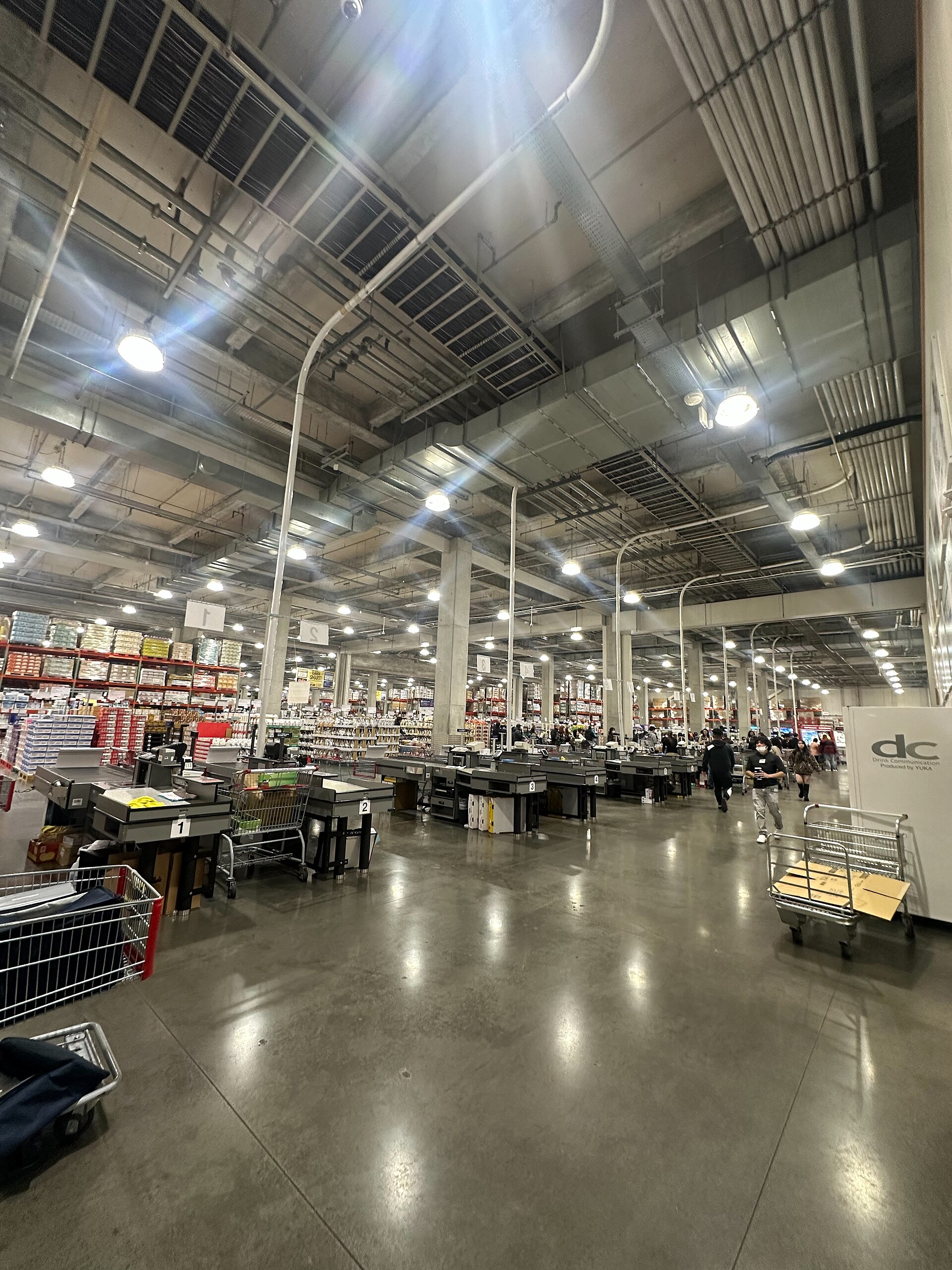
When shoppers walk the wide aisles of a membership warehouse club, they are increasingly filling their oversized carts with products bearing a single, uniform logo. Kirkland Signature, the flagship store brand of Costco Wholesale Corporation, has evolved from a simple budget alternative into a dominant economic force across the retail food and consumer goods sectors. Recent reporting by Supermarket News highlights how the private label has achieved unprecedented market penetration, reshaping consumer purchasing habits and challenging national brand manufacturers that long held sway over North American pantries.
The sheer financial magnitude of the Kirkland brand often catches industry observers by surprise. In recent fiscal reporting, the private label generated tens of billions of dollars in annual revenue, making it larger than many standalone Fortune 500 consumer packaged goods companies. Its sales volume rivals or exceeds that of globally recognized household names in food processing, beverage manufacturing, and home care. This financial muscle gives the warehouse retailer immense leverage when negotiating with supplier networks and managing complex supply chains.
The trajectory of this retail line reflects a broader shift in consumer mindset that has accelerated over the past several years. Inflationary pressures and lingering macroeconomic uncertainty have driven shoppers across all income brackets to seek higher value for their grocery budgets. Rather than viewing store brands as inferior markdowns, consumers now actively seek out Kirkland items for their consistent quality standards and significant price discount compared to branded equivalents.
HOW KIRKLAND BUILT A PRIVATE LABEL EMPIRE
The strategy behind the house brand dates back to the mid 1990s, when Costco leadership decided to consolidate dozens of disparate private labels under a single, trusted trademark. The goal was simple yet ambitious. The retailer aimed to offer products that matched or exceeded the quality of leading national brands while maintaining a price tag at least fifteen percent lower. To achieve this, the company established rigorous product testing and supply chain requirements for its manufacturing partners.
In many instances, the national brand manufacturers themselves produce the Kirkland products sold right alongside their branded counterparts. Co-packing agreements allow major food companies to utilize spare manufacturing capacity, though it creates a delicate balancing act. Branded manufacturers risk cannibalizing their own full-price sales, but the massive guaranteed volume offered by the warehouse giant proves too lucrative for most suppliers to decline.
This co-packing dynamic has created an unusual dynamic in the grocery business. Consumers routinely trade rumors and share online research regarding which major food conglomerate produces specific Kirkland items, from olive oil and coffee to organic chicken and craft beer. This speculation has turned the brand into a cultural phenomenon, further cementing customer loyalty and driving viral engagement on social media platforms without traditional advertising expenditures.
While the brand spans everything from apparel to gasoline, food and beverage categories remain the primary engines driving its retail momentum. Supermarket News reports that shelf-stable pantry items, fresh meat, dairy, and Kirkland organic lines have seen particularly robust sales velocity. The organic segment alone has expanded rapidly, making the warehouse retailer one of the largest purveyors of organic food items in North America.
The success of these food categories relies heavily on a disciplined stock-keeping unit strategy. Unlike traditional supermarkets that stock tens of thousands of individual items to provide maximum brand variety, a typical warehouse location carries a curated selection of roughly four thousand unique items. By offering only one or two choices per category, often a primary national brand and its Kirkland equivalent, the retailer creates immense sales density for each item on the floor.
This density allows for massive bulk purchasing, efficient inventory turnover, and minimal waste in logistics. When a Kirkland food product earns a spot on the pallet racks, it benefits from immediate, high-volume exposure to millions of paying club members. If a product fails to meet strict sales velocity or quality metrics, it is quickly rotated out, ensuring that only the highest performing items remain in the active inventory catalog.
THE COMPETITIVE PRESSURE ON NATIONAL BRANDS
The rapid rise of high-performing private labels poses a significant strategic threat to traditional consumer packaged goods manufacturers. Historically, legacy food brands relied on heavy television advertising, promotional slotting fees, and established consumer nostalgia to protect their market share. Today, high inflation has eroded brand loyalty, prompting shoppers to test store brands and discover that quality gaps have largely vanished.
To defend their market position, national brand manufacturers are forced to decide whether to cut wholesale prices, increase marketing spend, or pivot toward manufacturing store-branded goods for retailers. Many mid-tier food brands find themselves squeezed out entirely. They lack the scale to compete on price against store labels, yet they lack the prestige or unique flavor profiles required to justify a premium price point in a value-conscious economy.
Furthermore, traditional grocery supermarket chains are paying close attention to the warehouse model. Grocery retailers like Kroger, Albertsons, and Target are aggressively expanding their own premium private label lines to capture similar profit margins. Store brands typically yield higher gross margin percentages for retailers than national brands, making them essential tools for boosting overall corporate profitability in a low-margin industry.
For the average household consumer, the dominance of Kirkland Signature translates directly into tangible grocery bill savings without sacrificing product standards. As food prices remain elevated across traditional grocery channels, having access to reliable, high-volume store brands provides an effective buffer against inflation. The consistent performance of these items across diverse food categories allows families to stretch their monthly food budgets further while shopping in bulk.
Sources and methodology
Reported from the public datasets below.
More from the Foodie Pundit Newsroom
- Smart Farming Tech Transforms Produce Reliability for Restaurant Supply Chains
- Chipotle's sweet quesadillas solve the dessert struggle
- Borough Market Evolution Highlights Shift From Industrial Wholesale to Premium Street Food Destination
- UK Grocery Inflation Accelerates Again as Wholesale Pressures Mount
- Modernizing Iberian Flavors: Inside the Explosive Evolution of Portugal's Dining Scene