Japan says it has a potato problem and it could hit your french fries
A quiet trade battle between Tokyo and Washington over whole spuds could end up jacking up the price of your french fries and potato chips.
By Foodie Pundit Newsroom - Published - Updated - Section: Desserts Snacks
Key points
- Japan is holding public meetings on a long-running US request to allow fresh potatoes into the country, a potential shift from the current processing-only restriction.
- The talks are happening as Japan's agriculture ministry finalizes its budget and grapples with domestic issues like climate change and farm subsidies.
- The agency deciding on the potato quarantine rules is the same one responsible for protecting Japanese farmers who would face new competition.
- While no wrongdoing is shown, the records document a US industry seeking a profitable rule change from the Japanese regulator.
- The outcome of the talks could create a significant new market for American potato growers and potentially influence potato prices in the US.
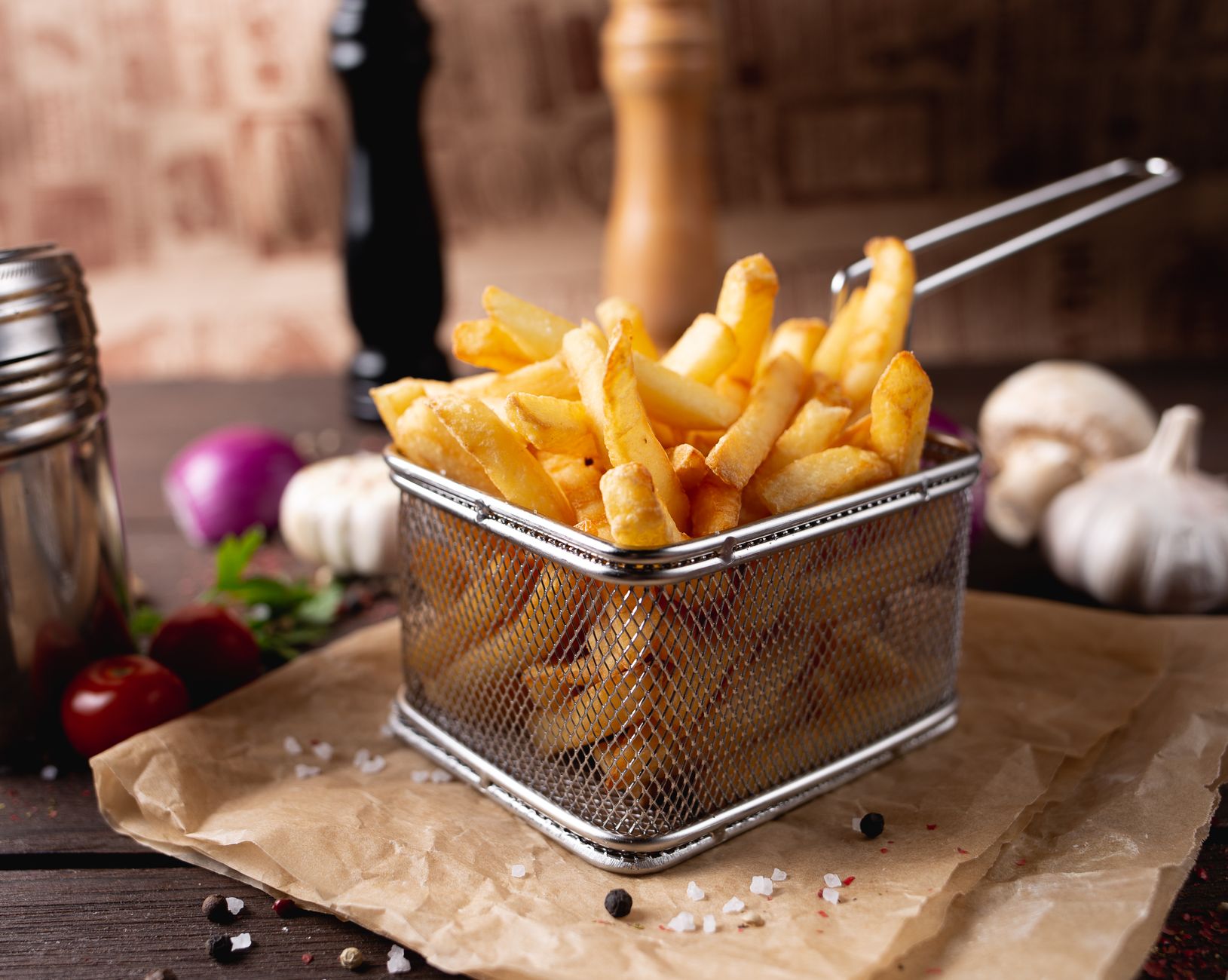
The perfectly crisp french fry is an engineering marvel and a minor miracle of comfort food. That initial crackle giving way to a steamy, fluffy interior is a universal language of satisfaction. It is a cheap luxury, a reliable sidekick, and the foundation of countless meals from fast-food drive-thrus to polished-concrete bistros.
The journey of that potato, from a field in the American West to a fryer basket in Tokyo or a lunch plate in Washington, is anything but simple. Microscopic pests you have never heard of and bureaucratic documents you will never read govern that path. It is all part of a quiet but high-stakes trade negotiation nearing a critical turning point.
A stack of digital paperwork, published by Japan's Ministry of Agriculture, Forestry and Fisheries (MAFF) in the final days of August 2026, offers a rare, unvarnished look into this world. Buried among budget requests and climate change reports is a single announcement that puts the humble American potato at the center of an international conversation. For years, US potato growers have wanted to sell fresh, whole potatoes, the kind you buy in a grocery store, directly to Japanese consumers. Japan's Potato Border Patrol
For years, Japan has said no, citing quarantine concerns. The recent filings signal that wall may be starting to crumble, a shift that carries real financial consequences for a multibillion-dollar American industry and for anyone who pays attention to the price of their food. Following the paper trail reveals not just the potential future of the potato trade, but the immense pressures shaping a modern nation's fight for food security. The Timeline of a Decision
The story is not in one document, but in the sequence of several. Official records from Japan's Ministry of Agriculture, Forestry and Fisheries, all released in a single week, show the agency grappling with domestic food crises at the exact moment it signals a potential opening of its market to US potatoes.
The sequence began Aug. 27, 2026, when MAFF published a notice regarding damage assessments from recent heavy rains and typhoons. The document detailed a plan for more efficient disaster surveys, an official acknowledgment that severe weather events are straining the ministry's resources and threatening Japanese agriculture.
One day later, on Aug. 28, 2026, the key document appeared. MAFF's Food Safety and Consumer Affairs Bureau published a notice titled, "Regarding the Holding of a Briefing Session on the Progress of Quarantine Consultations for Fresh Potatoes for General Distribution from the United States." This was the first official public signal that the trade negotiation had reached a new stage. The term "general distribution" is critical, confirming the talks are about selling fresh, whole potatoes directly in Japanese supermarkets, a previously blocked market channel.
That same day, MAFF published a cluster of other documents that reveal the ministry's wider anxieties. These included the final version of the "2025 Global Warming Impact Survey Report," an official government assessment detailing climate change threats to domestic food production. Also released were the monthly vegetable price outlook and rice distribution statistics, routine reports that underscore the ministry's core mission of monitoring the nation's food supply.
Three days after the potato announcement, on Aug. 31, 2026, MAFF released its highest-priority documents of the year: the ministry's budget request for fiscal year 2027 and its tax reform requests for the same period. These filings outline the agency's strategic priorities and its case for funding. On that same day, the ministry also published a report on the "Implementation Status of the Japanese Direct Payment System for FY2025," detailing the subsidy programs that support domestic farmers. The timing is notable: MAFF's public move on US potatoes occurred just before it finalized its budget and subsidy reports, placing the trade issue squarely in the context of its domestic financial commitments.
Finally, on Sept. 2, 2026, MAFF's Fisheries Agency released new fish stock assessments for mackerel and sardines and announced the public viewing of an enforcement vessel. These filings demonstrate the scope of the ministry's food security mandate, from farm fields to fishing grounds. The folks who profit Who Benefits: The US Potato Export Industry
The primary beneficiaries of a rule change would be the United States potato industry. While no specific company is named in the Japanese government records, this organized group of growers, packers, and exporters, represented by trade associations, has publicly targeted the Japanese fresh potato market for years.
Their gain would be access to a new, large, and affluent consumer market. According to the Aug. 28 MAFF notice, the quarantine consultations concern "fresh potatoes for general distribution." This confirms the objective is to move beyond the current, limited access for processing potatoes (used for chips and frozen fries) and into the far more lucrative table stock market, where American potatoes could be sold whole in Japanese grocery stores. A successful negotiation would open a significant new revenue stream for the US industry. Who Decides: Japan's Ministry of Agriculture
The authority to change import rules rests exclusively with Japan's Ministry of Agriculture, Forestry and Fisheries. The Aug. 28 announcement was issued by the ministry's Food Safety and Consumer Affairs Bureau, which contains the Plant Protection Station. This office is both decider and enforcer.
The Plant Protection Station holds the power to set and implement phytosanitary regulations, which are quarantine rules designed to prevent foreign pests and plant diseases from entering Japan. It is this specific regulatory barrier that has historically blocked imports of fresh US potatoes. Any change to market access depends entirely on this office's assessment of pest risk and its approval of a new import protocol. The public briefing announced in the filing is a formal step in that office's regulatory process. The Overlap: An Agency's Conflicting Mandate
The federal records do not show a direct financial overlap where a company seeking a rule change is also a contractor or grantee of the office making the rule.
However, the records document a clear structural conflict within the deciding agency itself. MAFF has a dual mandate. It is responsible for international trade and securing a stable national food supply, which can be arguments for allowing imports.
Simultaneously, it is the primary government body tasked with protecting and subsidizing Japan's domestic farmers. The report on direct payments, published Aug. 31, is a record of this protectionist function. A decision to allow fresh US potatoes would create direct competition for the very farmers MAFF supports through these payment programs.
The conflict is institutional: the agency deciding on the import rule is the same agency that funds the domestic industry that could be hurt by it. The Money Trail
The Japanese government records do not state a potential dollar value for the US potato trade or any financial figures related to the quarantine negotiation itself. However, other filings from the same week quantify the financial scale of the ministry's domestic commitments, establishing the monetary context in which this trade decision is being made.
The Aug. 31, 2026, report on the "Implementation Status of the Japanese Direct Payment System for FY2025" documents the subsidy programs that form the financial bedrock of the ministry's support for domestic agriculture, as reported by jpmaff. This system makes payments to farmers to encourage local production and preserve farmland.
That same day, MAFF submitted its FY2027 budget request. According to the ministry's request documents, it is asking for a total budget that reflects its priorities. The tax reform requests, also filed Aug. 31, seek preferential tax treatments for farming and forestry operations, another form of financial support for the domestic industry.
These budget and subsidy records establish the ongoing financial relationship between the Japanese government and its farmers. While no specific figures for the potato industry are provided in the records, these documents prove that any decision on imports is made against a backdrop of substantial government spending designed to protect the domestic agricultural sector from market pressures, including foreign competition. Proven Versus Not Proven
It is critical to separate what this paper trail establishes from what it does not. The records provide evidence of government activity, not proof of wrongdoing or a guaranteed outcome.
What the records prove is that as of Aug. 28, 2026, the Japanese government is actively engaged in a formal process regarding the potential import of fresh US potatoes for supermarket sales. The MAFF announcement of a public briefing is an official record of this process reaching a stage that requires public disclosure. The records also prove that this action is taking place while the ministry deals with documented threats to its domestic food supply, including the impacts of global warming outlined in its Aug. 28 report. Records from Aug. 31 confirm the ministry is simultaneously requesting its annual budget and reporting on the status of large-scale subsidy programs for Japanese farmers.
What the records do not prove is that a final decision to open the market has been made. The announcement concerns "progress of quarantine consultations," not a conclusion. The documents do not provide a timeline for a final ruling, nor do they guarantee that the rules will ultimately be changed.
The paper trail establishes a correlation in time between the trade consultation announcement and the release of reports on climate change and farm subsidies, but it does not prove a causal link. The records contain no evidence of improper influence, collusion, or a quid pro quo. An official notice of a government briefing is a record of a procedural activity.
It is not evidence that any party has acted improperly. Your Fries On The Line
For the average diner, this all feels incredibly distant. But the distinction at the heart of this negotiation has a direct line to the food chain. Right now, US potatoes imported into Japan are restricted to processing use.
This means they are sent directly to factories to be turned into products like potato chips and frozen french fries. Those supply chains are locked down and heavily monitored to ensure no raw potato, or the soil and potential pathogens it carries, escapes into the wild. What the US industry wants is access for table stock or fresh market potatoes, the kind sold whole in bags or as loose items in the produce aisle.
If the rules change, you could one day see Idaho or Washington grown Russets, Yukons, or reds sitting next to local Japanese varieties like the May Queen or Danshaku in a Tokyo supermarket. For Japanese consumers, this could mean more choice and lower prices, as imported potatoes compete with domestic ones.
For American consumers, the impact is less direct but still real. Supply and demand rules hold true. Opening a massive market with millions of consumers to US potato growers would significantly increase demand for their product.
Farmers would sell their potatoes to the highest bidder, whether that buyer is a supermarket in Ohio or an exporter in Yokohama. This could lead to an increase in potato prices back home, as the domestic supply competes with the new export market. French fries and baked potatoes are part of a global commodity market, and a rule change in Tokyo can ripple back to the price you pay at your local grocery store or restaurant. What To Track Now
The immediate and most important milestone is the public briefing session itself, scheduled for September 2026, according to the Aug. 28 MAFF notice. This is the next concrete event on the calendar. What comes out of that meeting will be the strongest signal yet of MAFF's intentions.
Observers should watch for official documents published by the ministry after the briefing. Will there be a simple summary of the proceedings? Or will MAFF release a draft of a new pest risk analysis or a proposed timeline for implementing new rules?
The critical document to watch for would be a draft of a new import protocol. Such a document would lay out the specific scientific and procedural requirements US growers would have to meet to ship fresh potatoes to Japan. It would be a sign that the decision to open the market has been made in principle, leaving only details to finalize. Conversely, prolonged silence after the meeting, or a brief notice stating that consultations are merely ongoing, would suggest that pushback from domestic farm groups was significant and that the ministry is pausing the process.
The next official communication from MAFF's Plant Protection Station regarding this specific docket is the single most important item to track. That document will reveal whether years of negotiation are about to pay off for the US potato industry, or if the quarantine wall around Japan's fresh potato market will remain standing.
This entire episode is a case study in how the modern global food system actually works. It is not a story of chefs and farmers, but of bureaucrats and trade lawyers, of phytosanitary certificates and budget requests. A single vegetable becomes a proxy for a nation's anxieties about food security, its political obligations to its farmers, and its place in the global economy. The journey of a simple potato from a field to a plate is governed by a mountain of paperwork, and right now, a key page is about to be written.
Sources and methodology
Reported from the public datasets below.
- Ministry of Agriculture, Forestry and Fisheries (Japan) - MAFF agricultural records - Aug 27, 2026 to Sep 2, 2026
- Bureau of Labor Statistics (BLS) - Consumer Price Index, food at home
- U.S. Department of Agriculture (USDA) - ERS Food Price Outlook
- Ministry of Agriculture, Forestry and Fisheries (Japan) - MAFF agricultural records - Aug 27, 2026 to Sep 2, 2026
- Bureau of Labor Statistics (BLS) - Consumer Price Index, food at home
- U.S. Department of Agriculture (USDA) - ERS Food Price Outlook
- U.S. Department of Agriculture (USDA) - ERS Food Price Outlook