Your Favorite Korean BBQ Just Got More Expensive: What GEN Restaurant Group's Numbers Mean for Your Dinner Out
Unpack GEN Restaurant Group's SEC filing to understand why your Korean BBQ bill is rising. Learn about food, labor, and occupancy costs impacting prices and sma
By Foodie Pundit Newsroom - Published - Updated - Section: Food Prices
Key points
- GEN Restaurant Group, like many restaurants, is experiencing significant increases in food, labor, and occupancy costs.
- These rising costs translate directly to higher menu prices for diners, potentially adding $1-2 to an average all-you-can-eat Korean BBQ meal.
- The company's expansion plans, while a sign of growth, also contribute to overall costs that can impact consumer pricing.
- Broader industry trends like food inflation, labor shortages, and rising commercial rents are not unique to GEN Restaurant Group and affect nearly all dining establishments.
- Savvy diners can mitigate these rising costs by utilizing lunch specials, loyalty programs, strategic drink orders, and evaluating the true value of all-you-can-eat options.
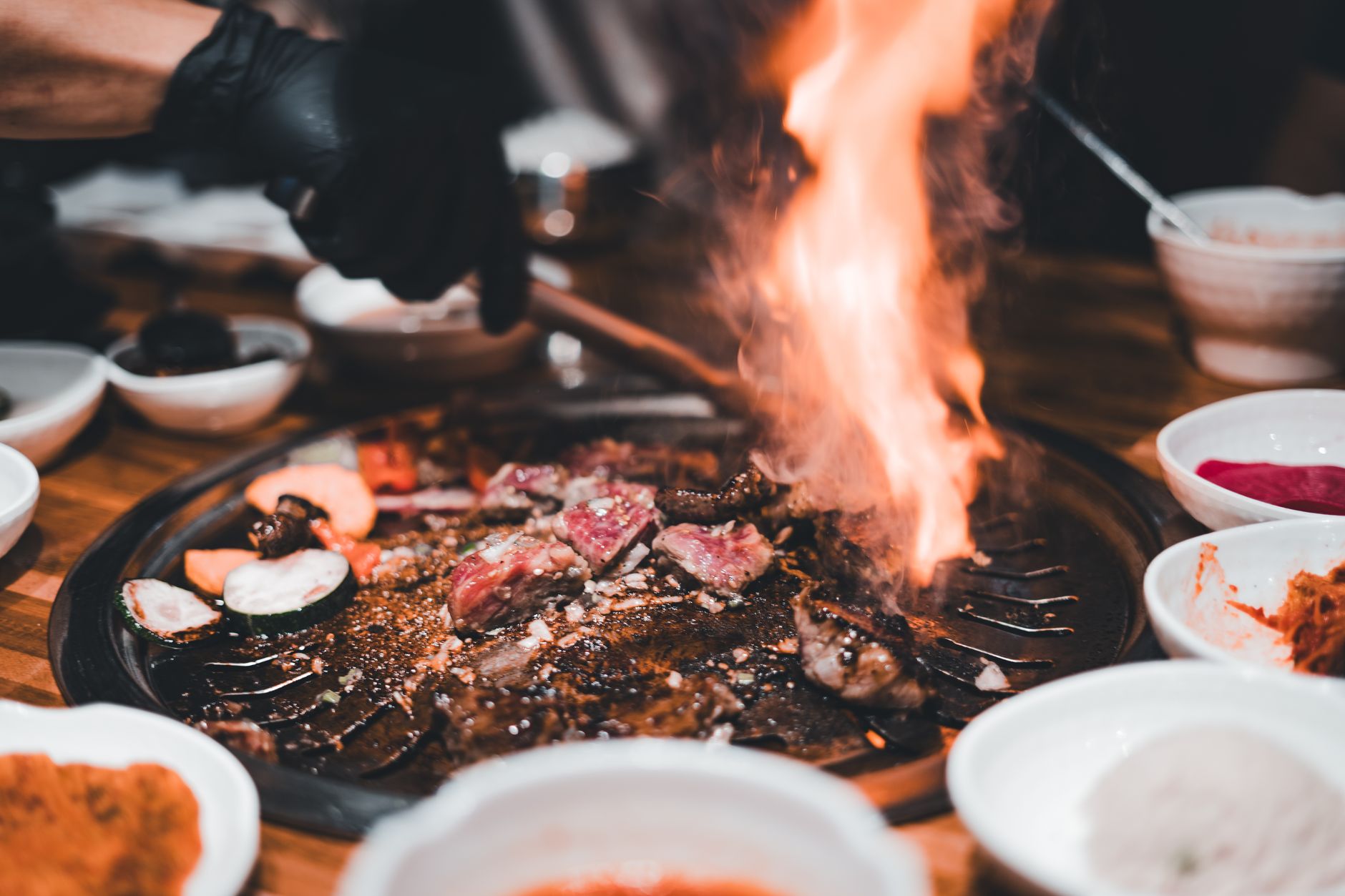
It's Friday night, and you're craving that sizzling, interactive Korean barbecue experience. The smell of marinated bulgogi hitting the grill, the array of banchan spread across the table, the lively chatter, and most importantly, the promise of all-you-can-eat deliciousness. You gather your friends, head to your favorite spot, perhaps a GEN Korean BBQ House, and settle in for a feast.
But as you glance at the menu, you notice the prices have edged up a bit, or maybe the portions feel slightly different. What’s going on? Is it just your imagination, or is your beloved BBQ joint subtly costing you more?
Today, we are pulling back the curtain on the corporate filings of GEN Restaurant Group, Inc., the parent company behind those popular GEN Korean BBQ House locations, to see how their recent financial performance might be affecting your wallet. We are translating the dense language of their 10-Q quarterly report, filed on August 10, 2026, into plain, kitchen-table talk. This isn't about obscure stock market movements; this is about understanding why your next plate of galbi might carry a higher price tag or why your dining experience feels a little different.
We will break down the company’s reported numbers, explain what they mean for you, and offer some smart strategies to keep enjoying your meals without breaking the bank. So, let's dig into the details and uncover the real story behind your BBQ bill.
GEN Restaurant Group, Inc. submitted its 10-Q quarterly report to the SEC on August 10, 2026, covering the period ending June 30, 2026. This document is a snapshot of the company's financial health and operational performance over the past three months. Think of it as a detailed report card that the company gives to its investors, but we can read between the lines to see what it means for customers like you.
The report shows that the company, which primarily operates full-service restaurants with a focus on Korean barbecue, experienced both growth and some challenges. On the revenue side, GEN Restaurant Group reported an increase in net revenue compared to the same period last year. This sounds good, right?
More money coming in means the business is doing well. However, we need to look closer at how that revenue was generated and what it cost the company to earn it.
One key metric for restaurants is comparable restaurant sales, sometimes called same-store sales. This number tells us how well existing restaurants are performing, excluding the impact of new store openings. The filing indicates a positive comparable restaurant sales growth, suggesting that more customers are visiting their established locations or spending more when they do. This is a positive sign for the company, showing continued customer demand for their unique dining concept.
However, the report also details increased costs. Food and beverage costs, which represent the raw ingredients like meat, vegetables, and drinks, showed an uptick. This means the actual cost for GEN to purchase the items it serves to you has gone up.
We are talking about the price of beef, pork, fresh produce, and even the cost of those delicious dipping sauces. When a company’s raw material costs rise, it often leads to higher prices for consumers.
Labor costs also saw an increase. This includes wages for kitchen staff, servers, hosts, and management. In today's economy, many businesses are facing pressures from rising minimum wages and a competitive job market, leading to higher payroll expenses. For a full-service restaurant like GEN Korean BBQ, labor is a significant operating cost, given the interactive nature of the dining experience and the need for ample staff.
Occupancy costs, which include rent, property taxes, and utilities for their restaurant locations, also went up. Whether it is a bustling urban center or a busy suburban strip mall, real estate and energy prices continue to be a factor for businesses. These fixed costs can eat into a company's profitability if not managed carefully.
The filing also touched upon the company's expansion plans, noting new restaurant openings and a pipeline for future growth. While expansion can be exciting for a brand, it also involves significant upfront investment and operational complexities. Opening new locations requires capital, training new staff, and establishing supply chains, all of which contribute to the company's overall expenses.
From an investor's perspective, the company's net income, which is its profit after all expenses, provides the bottom line. The report indicates a mixed picture, with some profitability, but potentially pressured margins due to the rising costs mentioned earlier. This pressure on profit margins means the company is working harder to earn each dollar, which can sometimes lead to operational adjustments that impact customers.
So, what do these corporate numbers mean for you, the everyday diner enjoying a night out at GEN Korean BBQ? It all boils down to your bill and your overall dining experience. When GEN Restaurant Group reports higher food and beverage costs, it is a strong indicator that the price you pay for your all-you-can-eat meal is likely to increase.
Imagine the cost of prime ribeye or a platter of fresh vegetables going up by 5 percent for the restaurant. That 5 percent on their end could translate into a $1 or $2 increase on your $30 meal, or it could mean slightly smaller portion sizes on certain items if the company tries to absorb some of the cost itself.
Let's break down "340 basis points" of cost increase, a common corporate term. A basis point is one-hundredth of a percentage point. So, 340 basis points is 3.4 percent.
If GEN's food costs rose by 3.4 percent, and the company wants to maintain its profit margins, it might pass that cost directly onto you. For a typical $25-30 all-you-can-eat Korean BBQ meal, a 3.4 percent increase means you could be paying roughly an additional $0.85 to $1.02 per person. It might seem small, but it adds up, especially when you are dining with a group.
Similarly, increased labor costs mean that the friendly server bringing your fresh plates of meat or refilling your banchan is costing the company more to employ. While fair wages are important, from a business perspective, these rising costs can influence menu pricing. The company might opt for higher prices, or it might look for ways to optimize staffing, which could subtly impact service speed or the number of staff available during peak hours. You might notice longer waits for refills or a slightly less attentive server, not because they are not working hard, but because the restaurant is trying to manage its labor budget.
Occupancy costs, like rent and utilities, are largely fixed. When these increase, the restaurant has fewer ways to cut back without impacting operations. The cost of keeping the lights on, the air conditioning running, and the building maintained ultimately gets factored into the prices on the menu. So, that comfortable, well-lit dining environment you enjoy does come at a price, and when that price goes up for the restaurant, it often means higher prices for you.
Another subtle impact could be on the variety or quality of offerings. If raw ingredient costs skyrocket, a restaurant might be forced to switch to a slightly less premium cut of meat, or offer a smaller selection of side dishes. While GEN Korean BBQ is known for its wide variety, economic pressures can sometimes lead companies to make difficult choices to protect their profitability. You might not even consciously notice it, but a small downgrade in quality or selection is a common way for restaurants to manage rising costs without a drastic price hike.
Finally, the company's expansion plans, while a sign of success, also carry financial implications. Opening new restaurants requires capital investment, which comes from the company's earnings or borrowed money. While customers in new markets benefit from more choices, the costs associated with rapid expansion can sometimes put pressure on the profitability of existing stores, leading to general price increases across the board to fund growth initiatives. In essence, your meal at an established location might be indirectly contributing to the opening of a new location a few states away.
GEN Restaurant Group's financial performance is not happening in a vacuum. It reflects broader trends currently sweeping across the entire food service industry. Understanding these larger forces helps explain why your favorite restaurants, not just GEN Korean BBQ, are making the pricing and operational decisions they are.
One of the most significant trends is persistent food inflation. While the headlines might suggest that overall inflation is cooling, certain categories, particularly fresh produce, meats, and dairy, continue to see elevated prices. Supply chain disruptions, adverse weather events impacting harvests, and even geopolitical events can all contribute to volatile commodity prices.
Restaurants are at the sharp end of this, as they purchase these ingredients in large quantities. A bad harvest of a key vegetable can mean significantly higher costs for a restaurant group, and these costs are almost always passed on, at least partially, to the consumer.
Labor shortages and rising wage demands are another pervasive issue. The restaurant industry, in particular, has struggled to find and retain staff since the pandemic. Many workers are demanding higher wages, better benefits, and more flexible schedules.
To attract and keep talent, restaurants must increase their compensation packages, which directly impacts their operating expenses. This is not just a passing phase; it represents a structural shift in the labor market that is unlikely to reverse quickly.
Rising occupancy costs, especially rent, are also a major factor. Commercial real estate markets in many areas remain tight, leading to higher lease renewals for established businesses and steeper rents for new locations. Utilities, particularly electricity and natural gas, have also seen significant fluctuations, adding another layer of unpredictable expense for restaurants that rely heavily on cooking equipment and climate control. These costs are largely non-negotiable for businesses, making them tough to absorb without affecting pricing.
Consumer behavior is also evolving. While people are still dining out, there is an increasing demand for value and transparency. Diners are more conscious of where their money is going and are less forgiving of perceived price gouging.
Restaurants are thus walking a tightrope: they need to raise prices to cover their costs, but they also risk alienating customers if those price hikes are too steep or not justified by the value offered. This leads to subtle adjustments in menu engineering, portion control, and ingredient sourcing that may not be immediately obvious but have a cumulative effect.
The "experience economy" is also at play. Restaurants like GEN Korean BBQ offer more than just food; they offer an interactive, social experience. This focus on experience allows them to command a premium, but it also means they need to invest in ambiance, service, and novelty to keep customers engaged. These investments, whether in new decor, better ventilation systems for the grills, or training for staff to enhance the interactive element, all contribute to the overall cost structure of the business and, subsequently, to your bill.
Finally, competition in the restaurant sector remains fierce. Even with unique concepts, restaurants must constantly innovate and differentiate themselves to attract and retain customers. This competition can sometimes keep price increases in check, as businesses are wary of losing customers to rivals. However, it can also lead to increased marketing expenses or investments in technology, which again, feed back into the overall cost of doing business.
Given these trends and the insights from GEN Restaurant Group's filing, how can you continue to enjoy dining out, especially at places like your favorite Korean BBQ spot, without feeling the pinch too much? Here are some smart moves to help you save money and make the most of your restaurant budget.
First, be strategic with your timing. Many restaurants, including all-you-can-eat concepts, offer lunch specials or early bird dinners that are significantly cheaper than peak-time dinner prices. A weekday lunch Korean BBQ might offer a smaller selection but at a much lower price point, allowing you to enjoy the experience for less. Check their websites or call ahead to inquire about these off-peak deals.
Look for loyalty programs or discounts. Many restaurant chains, including potentially GEN Korean BBQ, have loyalty programs where you can earn points for every dollar spent, leading to future discounts or free meals. Signing up for email newsletters can also alert you to special promotions, coupons, or limited-time offers that can save you a percentage off your bill or provide a free appetizer. These programs are designed to encourage repeat business, but they are also a great way for savvy diners to save.
Consider sharing. While all-you-can-eat concepts are designed for individual consumption, if you are dining at a Korean BBQ spot that also offers a la carte options, consider ordering a few dishes to share with your group. This can sometimes be more cost-effective than everyone opting for the unlimited option, especially if your appetites are not insatiable. This strategy works particularly well for places with large portion sizes.
Be mindful of your drink orders. Beverages, especially alcoholic ones, often have the highest markups in restaurants. Opting for water, or limiting yourself to one soda or a single alcoholic drink, can significantly reduce your bill. If you are dining with a group, consider ordering a pitcher of a non-alcoholic beverage to share, which can be more economical than individual drinks.
Evaluate the all-you-can-eat value proposition carefully. While it sounds like a great deal, consider how much you truly eat. If you are not a huge eater, sometimes ordering a la carte or choosing a smaller, set menu might actually be cheaper than paying for unlimited food you will not consume. Do a quick mental calculation of how much you typically eat versus the price of the all-you-can-eat option.
Take advantage of happy hour. Many restaurants offer happy hour deals on appetizers and drinks during specific, usually off-peak, hours. This can be a fantastic way to sample different dishes or enjoy a lighter meal at a fraction of the regular cost. It is a good opportunity to try out a new place or revisit an old favorite without committing to a full-price dinner.
Cook at home more often. This might seem obvious, but by consciously reducing the frequency of dining out, you can free up more of your budget for those special restaurant meals. When you do cook at home, consider making Korean-inspired dishes yourself. Many ingredients are readily available, and there are countless recipes online to guide you, allowing you to enjoy similar flavors for less.
Sources and methodology
Reported from the public datasets below.