Lab Grown Meat Enters Foodservice Market as Cost and Climate Pressures Mount
Cellular agriculture is moving from high-tech labs to restaurant kitchens, offering real meat without the environmental footprint of factory farming.
By Foodie Pundit Newsroom - Published - Section: Sustainability
Key points
- Cultured meat is produced by growing real animal stem cells inside bioreactors using nutrient baths, eliminating the need for traditional animal slaughter.
- Cellular agriculture can reduce land usage by up to 99 percent and lower greenhouse gas emissions compared to conventional cattle farming.
- Initial commercial availability focuses on premium dining establishments in regions with clear regulatory clearance, including Singapore and the United States.
- While production costs have dropped significantly over the past decade, achieving price parity with mass-market conventional meat remains a primary scaling challenge.
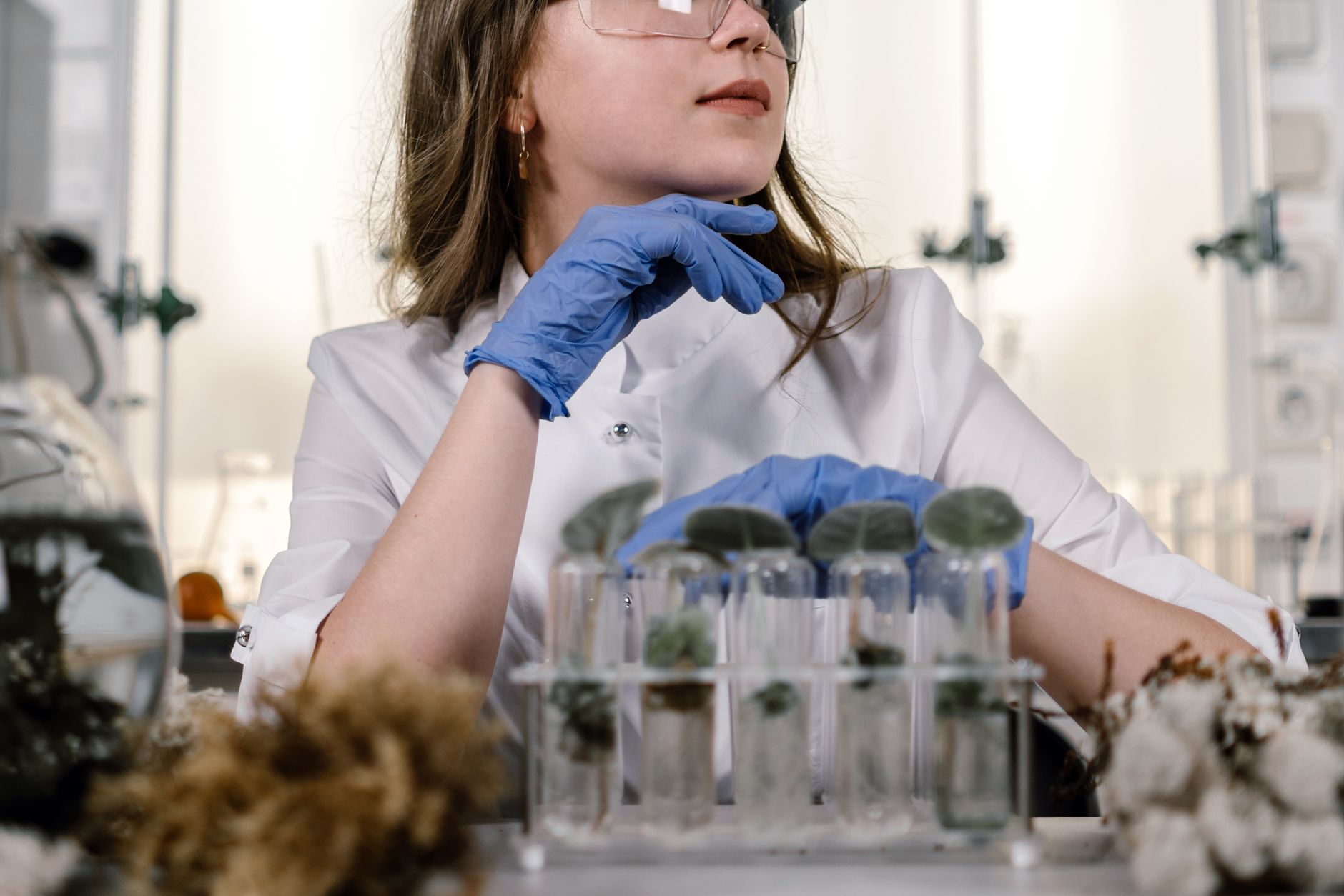
Cultured meat technology, long the domain of science fiction and experimental laboratories, is rapidly transitioning into a commercial reality capable of restructuring the global agricultural system. The process relies on taking small tissue samples from living animals, isolating stem cells, and feeding them a liquid broth of amino acids, sugars, and vitamins inside large stainless-steel bioreactors. Within weeks, these cells proliferate into muscle and fat tissue identical on a molecular level to traditional livestock meat. Recent analysis highlighted by Smithsonian Magazine underscores how this cellular agriculture model could dramatically reduce the environmental footprint associated with conventional animal husbandry.
Factory farming currently occupies vast swathes of arable land while consuming enormous amounts of fresh water and contributing significantly to global greenhouse gas emissions. Traditional cattle ranching is a primary driver of deforestation, soil degradation, and methane release. Cultured meat offers a alternative pathway, producing real protein with up to 96 percent fewer greenhouse gas emissions and 99 percent less land usage depending on the energy source powering the facility. As global demand for protein continues to surge alongside a growing world population, cellular agriculture presents a scalable strategy to meet nutritional needs without exhausting planetary resources.
ECONOMIC BREAKTHROUGHS AND SCALING CHALLENGES
The economics of cultivated protein have shifted dramatically over the past decade. The first lab-grown burger, unveiled in 2013, cost more than three hundred thousand dollars to produce. Today, advances in bioreactor design, serum-free growth media, and cell line optimization have driven production costs down by several orders of magnitude. Smaller startups and multinational food conglomerates alike are investing billions of dollars to build industrial-scale production facilities designed to churn out metric tons of cultured chicken, beef, and pork each year.
Despite these cost reductions, reaching price parity with conventional grocery store meat remains a formidable hurdle. Industrial livestock operations benefit from decades of agricultural subsidies, established supply chains, and optimized breeding practices. Cultured meat manufacturers must build their supply networks from scratch, securing clean energy, sterile equipment, and low-cost nutrient feeds. Industry analysts project that achieving full cost parity with high-end grass-fed beef may occur within a few years, but matching the low price point of mass-market ground beef will require sustained capital investment and unprecedented scaling.
REGULATORY APPROVALS AND MENU INTEGRATION
Regulatory agencies around the globe are establishing clear frameworks for the commercial sale of cultivated protein. Singapore became the first jurisdiction to approve lab-grown meat for public consumption in late 2020, followed closely by regulators in the United States who granted clearance to select producers in 2023. These approvals have cleared the way for initial commercial rollouts, which have strategically focused on high-end foodservice channels rather than direct-to-consumer retail shelves.
Celebrity chefs and Michelin-starred restaurants have served as the initial launching pad for cultivated protein menu items. By featuring lab-grown chicken and beef in premium culinary settings, producers aim to craft a luxury narrative and build consumer trust before targeting mass-market fast-food chains and grocery aisles. High-end culinary showcases allow chefs to highlight the sensory qualities of cultured meat, demonstrating that its texture, aroma, and flavor profile match those of traditionally farmed counterparts.
CONSUMER ACCEPTANCE AND PUBLIC PERCEPTION
Winning over the average diner requires overcoming psychological barriers alongside technical and financial ones. Consumer surveys indicate that while younger demographics and environmentally conscious shoppers express strong enthusiasm for lab-grown meat, skepticism persists among broader consumer segments. Concerns regarding processing methods, taste, and naturalness remain common friction points that cellular agriculture companies must address through clear labeling and transparent public education campaigns.
Industry advocates emphasize that cultured meat is not a plant-based imitation like soy or pea protein burgers, but genuine animal tissue produced without slaughter. This distinction is critical for meat consumers who enjoy the sensory experience of traditional meat but feel ethical or environmental conflict. As public awareness grows and more consumers have the opportunity to taste cultured protein in restaurant settings, market researchers anticipate a steady rise in consumer acceptance rates over the coming decade.
For restaurant operators and hospitality professionals, the rise of cultured meat represents both a strategic opportunity and a necessary point of adaptation. Fine dining establishments and forward-thinking casual concepts have a brief window to position themselves as early adopters, leveraging cultivated protein dishes to attract sustainability-minded guests and generate media buzz. Operators should begin following regulatory developments and establishing relationships with commercial suppliers who are expanding their distribution networks.
For everyday consumers and diners, lab-grown meat promises to expand menu choices without requiring a compromise on taste or ethics. In the near term, dining out will remain the primary avenue to experience cultivated protein, as initial supply limits keep products focused on restaurant menus rather than retail cases. Over the long term, as production scales and prices fall, cultured meat will offer a sustainable way to enjoy real beef, poultry, and pork while significantly reducing your personal carbon footprint.
Sources and methodology
Reported from the public datasets below.
More from the Foodie Pundit Newsroom
- Whole Foods Private Labels and Prepared Foods Drive Stealthy Revenue Growth
- Cellular Agriculture Prepares Commercial Push as Lab-Grown Protein Moves Beyond the Laboratory
- Cultivated Meat Technologies Enter Commercial Channels to Reshape Global Protein Economics
- Fermentation and Cellular Agriculture Offer Sustainable Meat Solution for Restaurant Supply Chains
- Fermented Beef Innovations Offer Sustainable Meat Production Without Ranching