London Fine Dining Reclaims Flavor Over Visual Spectacle
A shift toward flavor-first culinary techniques is reshaping fine dining priorities as top chefs move past visual gimmicks.
By Foodie Pundit Newsroom - Published - Section: Luxury Dining
Key points
- Top Michelin-starred kitchens are prioritizing deep flavor extraction over complex visual presentation.
- Streamlining final plating assembly improves kitchen labor efficiency and ensures better serving temperatures.
- Diner preferences are shifting away from visual gimmicks toward authentic technique and ingredient quality.
- Classic French sauce work is experiencing a major resurgence across modern high-end dining rooms.
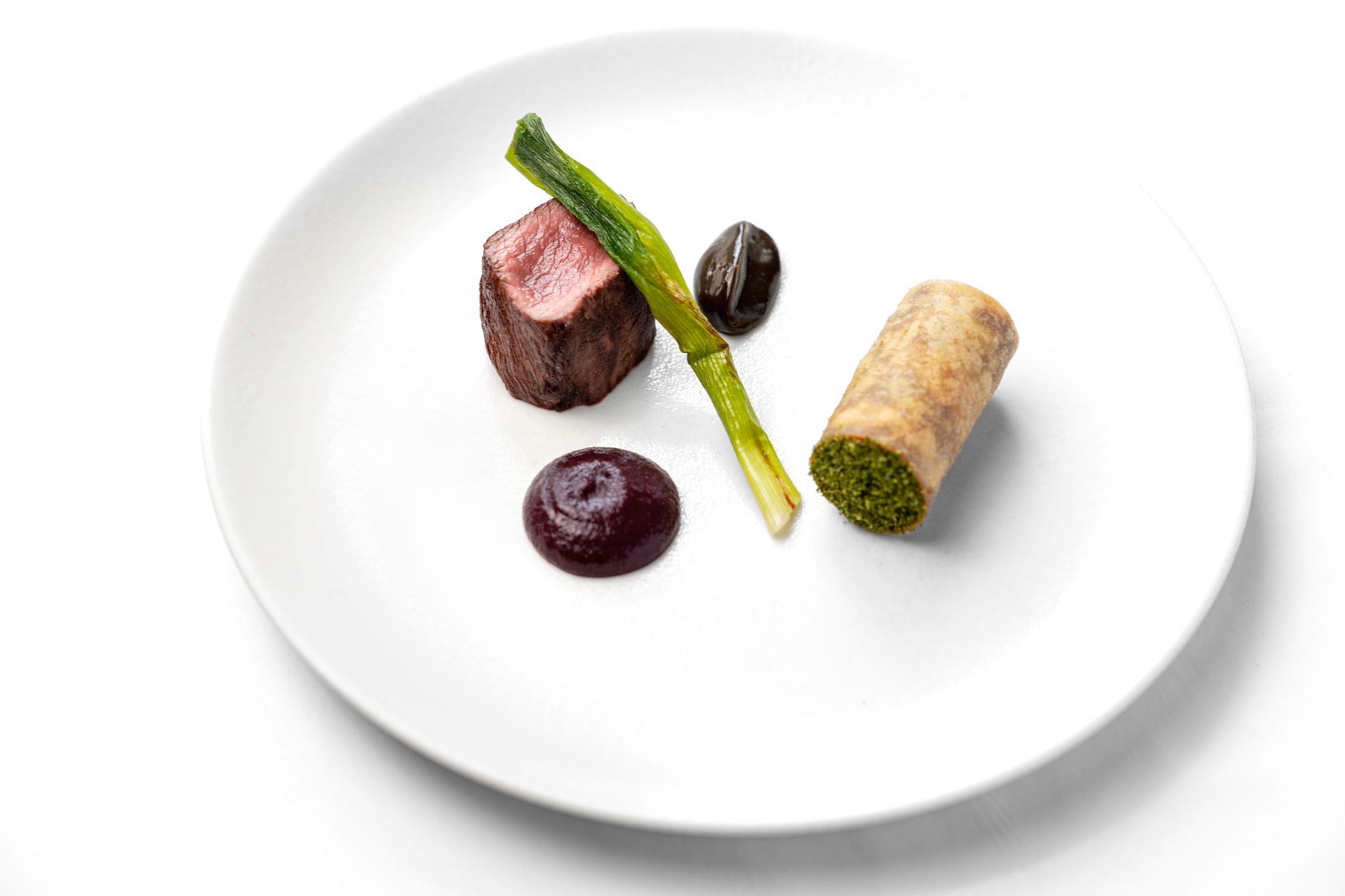
High-end dining rooms have long been associated with intricate visuals, delicate tweezers, and elaborate geometric presentation. Fine dining establishments across London and global culinary capitals frequently prioritize visual spectacle to justify high prix-fixe ticket prices. Recent reporting by Evening Standard highlights a distinct pivot occurring within top-tier kitchens, led by figures such as Chef Alex Dilling. This movement deprioritizes purely ornamental plating in favor of aggressive flavor density, deep stocks, and uncompromising taste profiles.
The evolution of modern gastronomy has reached an inflection point where visual aesthetics no longer guarantee critical acclaim or guest satisfaction. For over two decades, the rise of social media platforms amplified the importance of the visual aesthetic of a dish. Kitchens adapted by creating artful, highly photogenic plates that often required extensive preparation time at the pass. While these techniques produced striking imagery, industry observers note that intricate assembly can sometimes lower the temperature of hot food or dilute primary taste profiles.
Chef Alex Dilling, whose self-titled restaurant at Hotel Cafe Royal earned two Michelin stars within months of opening, represents a growing cohort of precise traditionalists. His culinary philosophy centers on classic French foundation techniques executed with contemporary rigor. By focusing resources on concentrated sauces, premium ingredient sourcing, and precise thermal control, kitchens can deliver immediate impact on the palate. The shift underscores a broader industry realization that long-term diner retention relies on memorable taste rather than superficial novelty.
THE ECONOMIC DRIVERS BEHIND FLAVOR EFFICIENCY
Restaurant economics present severe challenges in the current operating climate. Labor costs, ingredient inflation, and energy expenditures have squeezed margins across the hospitality sector. Complex plating assemblies require high labor ratios at the finishing station, which increases kitchen overhead. Concentrating culinary effort on flavor extraction and foundational components allows operational efficiency without sacrificing quality standards.
A classic French brigade system relies on extensive prep work to build deep flavor bases, such as classic glaces, clarify broths, and emulsify butter sauces. When a kitchen focuses its labor budget on these fundamental stages rather than labor-intensive final garnishing, the guest experiences a higher concentration of luxury ingredients. Kitchens reduce the time food spends sitting under heat lamps, ensuring that dishes arrive at the table at optimal temperatures and textures.
Industry analysts point out that high-end diners are increasingly discerning regarding value propositions. A dish that looks impressive but delivers muted flavors fails to generate repeat business. Conversely, clean and direct culinary presentations that deliver robust, memorable taste profiles foster strong customer loyalty. High customer retention is essential for fine dining venues seeking to offset rising overhead costs.
THE RETURN TO CLASSIC SAUCEWORK AND CORE INGREDIENTS
The technical focus of this movement relies heavily on classic sauce making, which remains the foundational pillar of high-level French cuisine. Modern sauce work combines traditional reduction methods with precise modern temperature control, resulting in sauces that carry immense depth without feeling overly heavy. By prioritizing these elements, chefs create a cohesive dining experience where every component serves a clear taste objective.
This approach requires rigorous ingredient selection, as simple presentation leaves no room to hide inferior produce, fish, or meat. Kitchens must build direct relationships with boutique suppliers and local farms to secure top-tier raw materials. When the intrinsic quality of a turbot, piece of squab, or seasonal truffle is exceptional, excessive manipulation only serves to mask the natural attributes of the product.
Furthermore, line cooks can execute service with greater speed and consistency when plating guidelines are streamlined. Reduced assembly times minimize room for error during high-volume service periods. This consistency is vital for maintaining high standards and securing favorable reviews from food critics and guide inspectors alike.
CONSUMER PREFERENCES IN A POST-VISUAL ERA
Diner expectations are shifting away from pure theater toward authenticity and comfort, even within the bounds of formal fine dining. While theatrical elements like dry ice, tableside pours, and complex edible structures enjoyed widespread popularity in the past decade, consumer fatigue has set in. Modern restaurant patrons increasingly view excessive tableside theatrics as an unnecessary distraction from the meal itself.
The contemporary consumer seeks rich culinary narratives rooted in craftsmanship rather than visual gimmickry. This trend aligns with a broader movement across the luxury sector, where understated quality takes precedence over loud branding. Guests paying premium prices expect exceptional flavor clarity, exact seasoning, and seamless service execution above all else.
This preference shift has forced culinary directors to re-evaluate their menu development processes. Dishes are now routinely tested for flavor impact before visual concepts are even drafted. If a proposed presentation compromise detracts from heat retention or sauce integration, the visual layout is modified to protect the integrity of the taste.
For everyday diners and food enthusiasts, this industry transition promises a substantial upgrade in overall meal quality when visiting top-tier establishments. You can expect hot food to arrive at your table significantly hotter, as chefs spend less time arranging delicate microgreens with tweezers at the pass. The focus on deep sauce reductions means sauces will carry more rich, satisfying flavor profiles that highlight the core ingredient.
From a financial standpoint, your fine dining spend is being redirected toward tangible quality rather than labor-intensive presentation. Kitchen budgets are increasingly spent on superior proteins, rare regional produce, and skilled sauce cooks rather than specialized decorative tools. When evaluating high-end restaurant reservations, look for menus that emphasize traditional saucing, clear ingredient origin, and classical technique over complex visual concepts.
Sources and methodology
Reported from the public datasets below.
More from the Foodie Pundit Newsroom
- Why Fine Dining Is Ditched Elaborate Plating for Pure Flavor
- New York Restaurants Experience Immediate Surge After Latest Michelin Guide Release
- Federal Antitrust Battle Over Kroger and Albertsons Merger Threatens to Reshape National Grocery Pricing
- Kroger and Albertsons Merger Faces Severe FTC Scrutiny in Landmark Legal Clash
- FTC Challenge Against Kroger and Albertsons Merger Signals Re-examination of Grocery Retail Competition