McDonald's Overhauls Big Mac Cooking Protocols to Elevate Core Menu Quality
The fast food giant is implementing subtle kitchen adjustments and ingredient updates across thousands of domestic locations to elevate its core burger offering
By Foodie Pundit Newsroom - Published - Section: Chain Watch
Key points
- Kitchen staff now place onions directly onto beef patties while grilling to enhance savory flavor.
- Buns have been updated to a softer, deeper toasted brioche style that resists sogginess during transport.
- American cheese slices are brought to room temperature prior to assembly to ensure proper melting.
- The operational adjustments aim to close the quality gap with fast casual burger competitors.
The world's largest fast food chain is making sweeping modifications to its core menu architecture. McDonald's has begun rolling out a series of operational and culinary adjustments to its most famous sandwich, the Big Mac, alongside its standard double cheeseburger, cheeseburger, and hamburger offerings. The strategy represents a calculated bid to elevate food quality perception across thousands of domestic locations without sacrificing the speed and margin profile that define quick service dining.
These changes are not a total overhaul of the recipe, but rather a collection of subtle operational tweaks designed to enhance sensory appeal. Kitchen staff are now instructed to cook smaller batches of beef patties simultaneously, ensuring a more consistent sear and better moisture retention. Additionally, onions are now placed directly onto the burger patties while they are still sizzling on the grill top, allowing the savory juices to infuse the meat during the final seconds of cooking.
Executing culinary refinements across a footprint of more than 13,000 domestic restaurants requires extraordinary supply chain and kitchen choreography. The company spent months testing these kitchen protocol adjustments in international markets, including Australia, Canada, and Belgium, before initiating a broader rollout in North America. By adjusting grill temperatures and timer sequences, the chain aims to deliver a hotter, juicier product without adding valuable seconds to drive-thru order times.
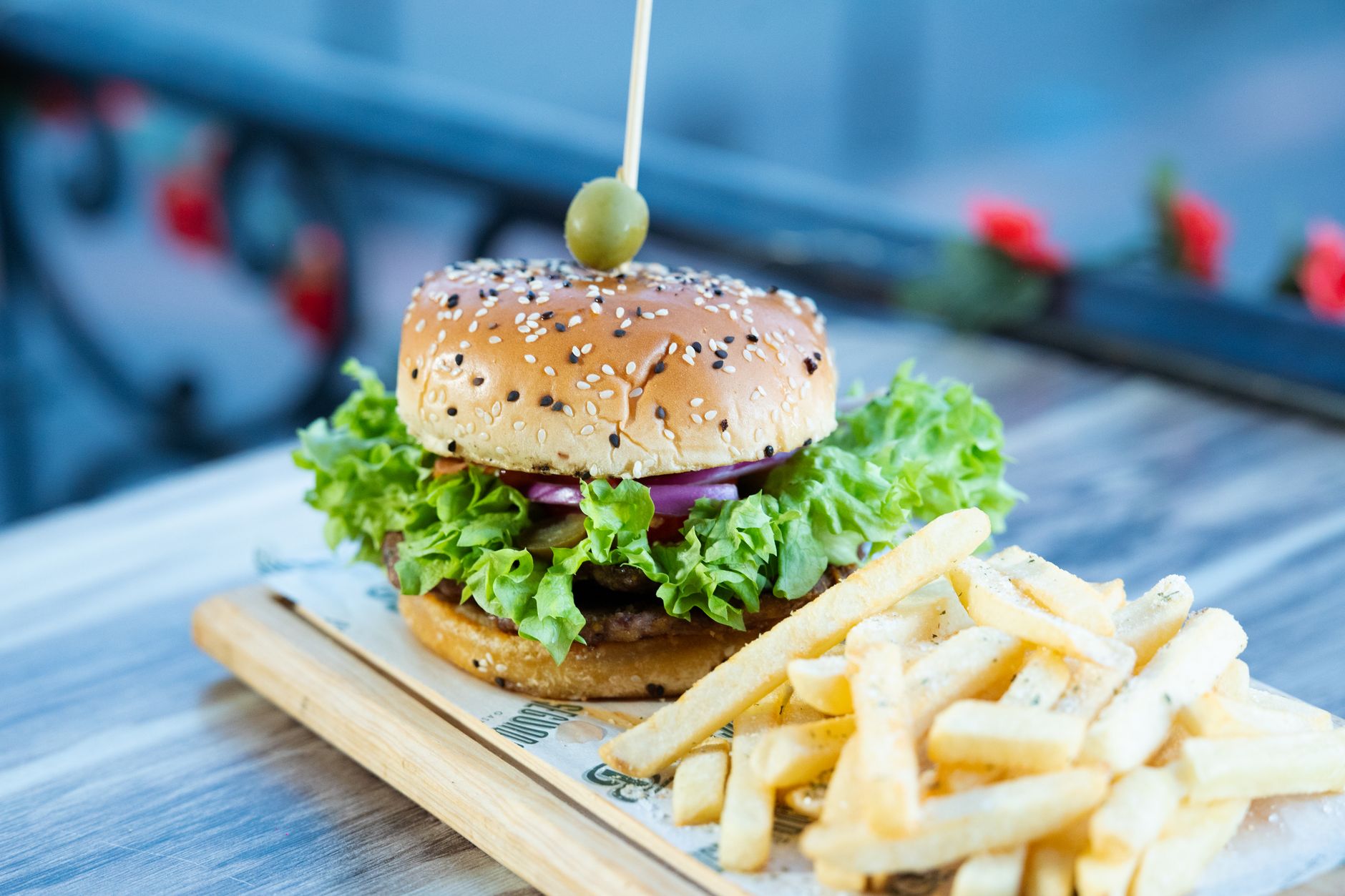
Bun formulations have also undergone a notable transformation. The chain has transitioned to softer, brioche-style sesame seed buns that are toasted to a deeper golden brown color. This structural change helps the bun withstand heat and moisture longer, preventing the sogginess that can occur when sandwiches spend time in delivery bags or drive-thru staging areas. The visual result is a shinier, thicker top bun that holds up better under the weight of sauces and toppings.
Dairy handling has received a similar operational update to address long-standing customer feedback regarding cold or unmelted cheese slices. Restaurant crews are now directed to bring American cheese slices to ambient room temperature before assembly, rather than pulling them directly from cold refrigeration units onto the line. This simple temperature shift allows the cheese to melt fully across the warm beef patties during packaging.
The signature Big Mac sauce, long considered the centerpiece of the double-decker sandwich, is also being applied more generously. Kitchen line instructions now call for an increased volume of sauce per sandwich, ensuring every bite contains a balanced ratio of tang, fat, and crunch. Meanwhile, lettuce crispness protocols have been tightened, with restaurants receiving stricter guidelines on storage temperatures and holding times to maintain maximum crunch against the warm beef.
Industry analysts view this menu refresh as a defensive maneuver against the rapid growth of premium fast casual burger concepts. Chains like Shake Shack, Five Guys, and regional powerhouses like In-N-Out have captured market share by emphasizing freshly seared beef, melted cheese, and grilled onions. By bringing similar techniques to its value-oriented platform, McDonald's seeks to narrow the quality perception gap while maintaining its superior price point and drive-thru convenience.
The financial stakes behind these subtle kitchen changes are enormous. Core menu items like the Big Mac account for a massive percentage of total systemwide sales, meaning even small increases in customer repeat visits can yield hundreds of millions of dollars in incremental revenue. Today reported that these culinary updates are rolling out regionally across the United States, with full nationwide availability expected as supply chains complete the transition to updated packaging and ingredients.
Upgrading ingredients and adding labor steps usually increases prime costs for restaurant operators. To offset potential margin compression, franchisees rely on sophisticated kitchen automation and inventory management software to minimize waste. Because the core ingredients remain largely identical to previous builds, the cost of goods sold increases only marginally, allowing local store operators to preserve cash flow while delivering an upgraded product.
Furthermore, the updated preparation methods align with the broader industry trend of hyper-focusing on core menu items rather than introducing complex limited-time offerings. By perfecting the preparation of high-volume legacy items, restaurant chains streamline kitchen operations and simplify staff training. This focus reduces order fulfillment errors and improves overall throughput during high-traffic lunch and dinner peak hours.
For the average diner, these systemwide kitchen updates mean a noticeably different eating experience without a dramatic shift in basic flavor profiles. You can expect a burger that arrives hotter, with visibly melted cheese and a softer, richer bun that retains its structural integrity. The addition of onions directly onto the grill surface adds a deeper caramelized flavor to the beef patties that was previously absent from standard builds.
While menu prices may continue to fluctuate due to broader macroeconomic inflation, these operational changes represent a clear effort to increase the overall value proposition of legacy menu items. Diners seeking high quality fast food no longer have to visit higher priced fast casual establishments to get properly melted dairy and grilled onion aromatics. As the rollout reaches completion across all domestic markets, consumers will encounter a more consistent, restaurant quality build regardless of which location they visit.
More from the Foodie Pundit Newsroom
- Fast Food Giant Revamps Classic Menu Items to Elevate Kitchen Quality
- New York Michelin Stars Trigger Reservation Frenzy And Operational Strains
- Luxury Ingredients Drive May Menu Updates Across Kuala Lumpur Restaurants
- Inside the Economics of Michelin Stars for New York Restaurants
- Michelin Guide Shakes Up New York Dining Scene as 30 Eateries Gain Top Honors