New York City Welcomes New Dining Concepts As Autumn Restaurant Openings Accelerate
A fresh wave of restaurant debuts highlights operational shifts and menu strategies across New York City commercial corridors.
By Foodie Pundit Newsroom - Published - Updated - Section: Restaurant Openings
Key points
- New restaurant openings across Manhattan and Brooklyn reflect a pivot toward hyper-focused menus to manage high inventory and labor costs.
- Outer-borough commercial spaces are leveraging hybrid service models to generate multiple revenue streams from single locations.
- Beverage programs and engineered small-plate menus remain central to maintaining profitability amid elevated operational expenses.
The autumn dining season in New York City is entering a high-stakes phase as operators launch ambitious new concepts to capture shifting consumer demand. Following months of construction delays and regulatory hurdles, a wave of new dining establishments is opening across Manhattan and Brooklyn this week. Industry observers note that these debuts reflect broader economic strategies aimed at maximizing seating turnover and catering to elevated diner expectations. According to local market reporting from AmNewYork, the latest slate of openings showcases a distinct pivot toward specialized culinary concepts.
Restaurants opening their doors this season face a drastically different financial environment than those that debuted even a year ago. Operating costs remain elevated, driven by persistent inflation in core ingredients and rising commercial rent prices across major borough corridors. To offset these expenditures, new establishments are leaning heavily into focused menus that reduce kitchen waste and streamline back-of-house labor requirements. By limiting the total number of menu items, operators can maintain tighter inventory controls while delivering higher quality dishes to patrons.
BROOKLYN EXPANSION AND NEIGHBORHOOD REAL ESTATE
Brooklyn continues to serve as a primary testing ground for scalable casual concepts and neighborhood bistros. Development patterns indicate that commercial landlords in neighborhoods like Williamsburg, Greenpoint, and Bushwick are offering flexible lease structures to attract established operators looking to expand their footprint beyond Manhattan. These outer-borough locations often provide larger footprint capacities, allowing restaurants to accommodate higher guest volumes during peak weekend dining hours.
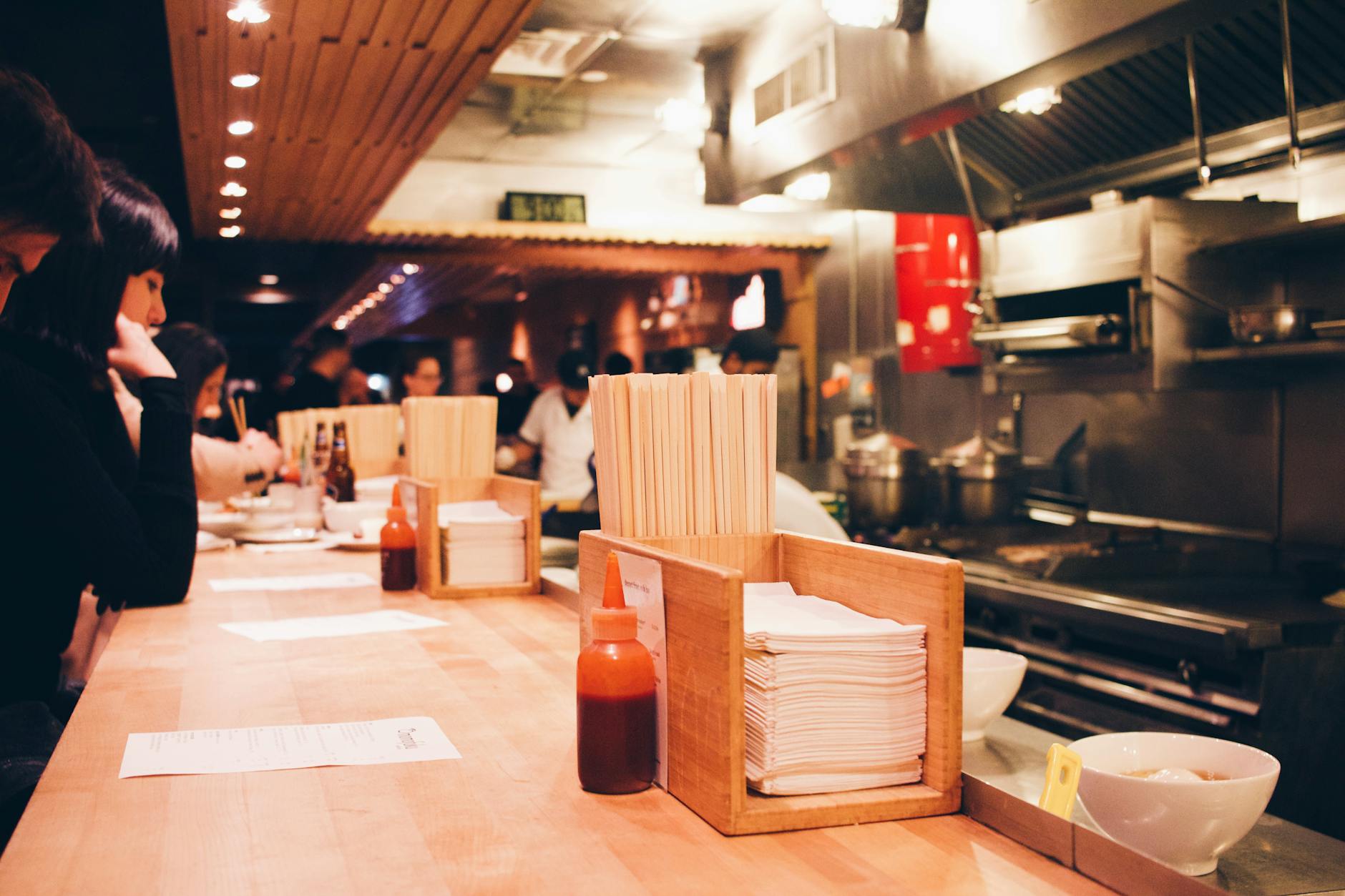
The real estate dynamics in these neighborhoods have forced operators to rethink front-of-house design and service models. Many of the new spots covered in recent AmNewYork reporting feature prominent bar seating and fast-casual takeaway counters integrated into traditional full-service footprints. This hybrid model generates multiple revenue streams from a single location, helping businesses mitigate the high overhead associated with prime retail leases. Furthermore, neighborhood-focused marketing strategies are helping these venues build immediate baseline traffic among local residents.
MANHATTAN MIDTOWN AND DOWNTOWN DINING DYNAMICS
Across East River bridges, Manhattan's dining scene is seeing a resurgence in high-volume lunch services and upscale evening concepts aimed at hybrid office workers. Prime commercial districts in Midtown and Flatiron are reporting increased weekday foot traffic as corporate attendance stabilizes. Developers and hospitality groups are capitalizing on this return by opening sophisticated dining rooms designed for business lunches and corporate events.
At the same time, Downtown neighborhoods such as SoHo, the Lower East Side, and the West Village continue to attract premium nightlife and destination dining operations. Space constraints in these historic districts require creative operational solutions, including shared kitchen facilities and subterranean prep areas. Despite these physical limitations, the high density of foot traffic and tourist activity allows new operators to command premium menu prices, which cushions profits against elevated local tax rates and labor expenses.
A defining characteristic of this week's batch of restaurant launches is the strategic pricing of beverage programs and small-plate offerings. Premium cocktails and curated wine lists continue to carry the highest profit margins for full-service dining establishments, often subsidizing lower-margin food operations. Modern operators are designing specialized drink programs that align closely with their culinary themes, encouraging diners to spend more per cover on high-margin items.
Food menus are similarly engineered to maximize financial returns without alienating cost-conscious consumers. By incorporating versatile ingredients that can be used across multiple dishes, kitchens minimize spoilage and negotiate better volume pricing from wholesale distributors. Diners visiting these new spots will notice an emphasis on artisanal pasta, specialty flatbreads, and regional street foods, all of which offer manageable food cost ratios for operators while delivering high perceived value to guests.
Finding and retaining skilled staff remains a critical operational challenge for the newest additions to the New York City dining ecosystem. Minimum wage adjustments, combined with competition from established hospitality groups, have created a tight labor market for front-of-house and back-of-house talent. To attract qualified workers, newly opened venues are increasingly adopting transparent tipping policies and offering competitive compensation packages.
Operational efficiency is also being driven by backend hardware and point-of-sale technologies that optimize order routing and table management. By utilizing advanced reservation systems and automated inventory tracking, new managers can operate with leaner staff rosters during off-peak hours. These digital integrations allow operators to maintain service standards without dramatically increasing their payroll burdens during the critical initial months of operation.
For local diners and visitors, the influx of new restaurant openings offers a broader range of culinary choices across various price points and neighborhoods. Consumers can expect to see more targeted menus and hybrid dining spaces that accommodate both quick meals and extended social gatherings. However, high underlying operating costs mean that menu prices will remain premium, particularly for beverage programs and signature entrees. Diners looking to experience these new venues should consider making advance reservations or visiting during weekday hours to avoid peak weekend crowds and long wait times.
Sources and methodology
Reported from the public datasets below.
More from the Foodie Pundit Newsroom
- Why Dietitians Are Praising the Health Benefits of Informal Grazing Plates
- Restaurant Operators Deploy Smart Staffing and Tech Tactics to Handle Expected Summer Rush
- Kroger and Home Chef Expand Ready-to-Eat Dinner Offerings to Capture Busy Weeknight Shoppers
- Kroger Expands Home Chef Ready-to-Eat Dinners to Beat Fast-Casual Chains
- Soil Regeneration Moves to Center Stage as Farmers Reengineer Crop Economics