Non-Alcoholic Beer Science and Margins Reshape Restaurant Beverage Economics
Advanced brewing technology and shifting consumer habits are fueling a lucrative boom in the non-alcoholic beer market.
By Foodie Pundit Newsroom - Published - Updated - Section: Wine Spirits
Key points
- Modern dealcoholization tech like vacuum distillation preserves hop aromas without high heat.
- Zero-proof beers escape federal excise taxes, giving brewers and bars higher profit margins.
- Hoppy IPAs and fruit sours mask the lack of alcohol far better than light lagers or stouts.
- Direct-to-consumer shipping rules allow non-alcoholic brands to bypass traditional three-tier distribution.
The global beverage landscape is experiencing a massive shift as non-alcoholic beer transitions from a niche fallback to a mainstream powerhouse. Consumers across demographic spectrums are rethinking their relationship with alcohol, driving double-digit annual sales growth for booze-free brews. Major domestic breweries and indie craft producers alike are pouring millions into research and development to refine their fermentation and dealcoholization techniques. According to reporting by NBC News, the result is a market saturated with high-end options that taste remarkably close to traditional craft ales and lagers.
For decades, the non-alcoholic beer category was dominated by a few legacy brands that relied on basic thermal evaporation. This legacy heating process removed the alcohol but also stripped away fragile hop aromatics and left behind a sickly sweet malt profile. Modern brewers have revolutionized the sector by utilizing advanced vacuum distillation and reverse osmosis systems.
Vacuum distillation lowers the boiling point of ethanol, allowing alcohol to evaporate at much lower temperatures to preserve delicate floral and citrus top notes. Reverse osmosis uses high-pressure filtration to separate alcohol and water from the concentrated flavor compounds of the beer.
Developing a high-quality non-alcoholic beer requires significant capital investment, often making the production process more expensive than standard brewing. Breweries must purchase specialized dealcoholization equipment that can cost hundreds of thousands of dollars. Alternatively, some producers deploy proprietary yeast strains that naturally stop fermenting before producing significant amounts of alcohol.
These precision yeasts require strict temperature control and immaculate sanitation protocols to prevent rogue fermentations. Despite these high operational overheads, margins on non-alcoholic beer remain robust due to favorable tax structures and premium consumer pricing.
In the United States, traditional beer is subject to federal excise taxes, state distribution taxes, and local municipal levies. Non-alcoholic beer, which must contain less than 0.5 percent alcohol by volume to meet federal criteria, avoids the vast majority of these specific sin taxes. Producers can charge premium craft prices while pocketing the difference that would normally go toward tax compliance.
Restaurants and bars also benefit immensely from this margin profile. On premise establishments can sell non-alcoholic drafts and cans for eight to ten dollars per glass, achieving beverage margins that mirror traditional cocktails without the associated liability costs.
TASTING TESTS AND CATEGORY DIVERSIFICATION
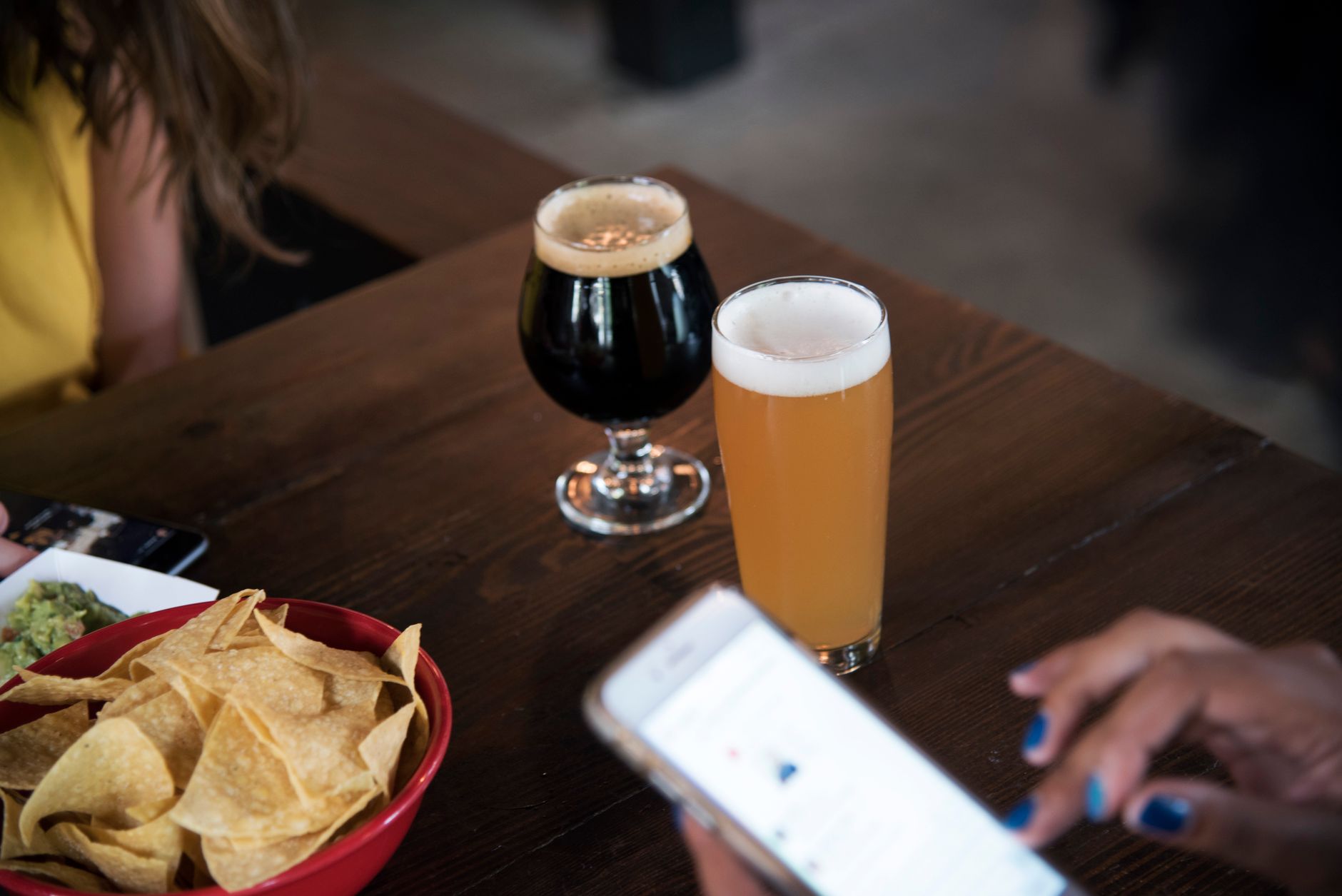
As detailed in taste evaluations conducted by NBC News, the sensory gap between alcoholic and non-alcoholic beer has narrowed dramatically across specific beer styles. India Pale Ales and sour beers have proven uniquely suited to non-alcoholic formulations. Heavy hop bills rich in alpha acids and terpenes effectively mask the lack of ethanol body, providing a sharp bitter finish that mimics traditional full-strength IPAs. Sour beers rely on lactic acid and fruit additions for their primary flavor balance, meaning the absence of alcohol goes largely unnoticed by the palate.
Conversely, light lagers and stouts present ongoing engineering challenges for non-alcoholic brewmasters. Traditional pilsners rely on ethanol to convey crispness and carry subtle grain flavors, leaving booze-free light lagers at risk of tasting watery or metallic. Stouts typically rely on alcohol to balance rich, heavy malts like roasted barley and chocolate malt.
Without alcohol, non-alcoholic stouts often taste overly sweet, resembling unfermented wort rather than a finished dark ale. Despite these hurdles, ongoing blending experiments with natural gums and non-fermentable sugars are helping brewers rebuild the lost mouthfeel.
RETAIL DISTRIBUTION AND CONSUMER DEMOGRAPHICS
The demographic driving this beverage revolution extends far beyond individuals in long-term recovery. Gen Z and millennial consumers are leading the dry movement, prioritizing wellness, mental clarity, and improved sleep quality. Many consumers identify as flexi-drinkers, choosing to alternate between alcoholic and non-alcoholic options during a single night out.
Retailers have taken notice, expanding shelf space for craft non-alcoholic offerings in grocery stores, specialty bottle shops, and big-box retailers. Because non-alcoholic beer can be shipped directly to consumers across state lines, brands bypass traditional three-tier distribution laws to build lucrative direct to consumer online businesses.
Supermarkets and convenience chains are capitalizing on this direct commerce freedom by creating dedicated zero-proof sections in prime retail real estate. Placement near organic produces and wellness items has rebranded non-alcoholic beer as a functional lifestyle beverage rather than a compromise. Mainstream sports stadiums, music venues, and upscale dining rooms now list named craft non-alcoholic options on their primary menus. This widespread availability removes the social stigma historically associated with ordering a non-alcoholic beverage in public settings.
For hospitality operators and food service professionals, the rise of non-alcoholic beer presents an immediate opportunity to capture high-margin revenue from non-drinking patrons. Diners who previously settled for tap water or cheap sodas are now eager to spend premium dollars on sophisticated fermented beverages that complement their meals. Restructuring beverage programs to highlight zero-proof pairings can raise average check sizes while reducing overall liability risk.
For everyday consumers, navigating the non-alcoholic aisle requires a basic understanding of beer styles and processing methods. If you prefer bold, hoppy flavors, modern non-alcoholic IPAs offer an nearly indistinguishable alternative to standard craft beers. If you prefer light pilsners or heavy stouts, sample different brands to find producers that utilize mouthfeel additives like oats or lactose. As technology improves and production scales, consumers can expect even higher quality products, broader distribution, and more competitive pricing at both retail stores and local restaurants.
More from the Foodie Pundit Newsroom
- Rising Craft Quality and Sober Curiosity Propel Non-Alcoholic Beer Market
- Fast Casual Restaurants Face Squeezed Margins as Inflation and Shifting Consumer Habits Hit the Industry
- The Zero-Proof Brew Renaissance: How Technology and Consumer Demand Reconstructed Non-Alcoholic Beer
- Non-Alcoholic Beer Crafting Epoch Redefines Dining Industry Economics
- Sober Curious Movement Drives Boom in Premium Nonalcoholic Craft Beers