Omakase Sushi Arrival Signals Growing Market for Experiential Dining in Glasgow
The arrival of a dedicated Japanese counter service venue reflects broader shifts toward high end experiential dining across Scotland.
By Foodie Pundit Newsroom - Published - Section: Luxury Dining
Key points
- Glasgow is expanding its premium culinary scene with a new dedicated omakase sushi bar focused on chef led tasting menus.
- Omakase models rely on tight seating capacity and fixed menus to minimize inventory waste and hedge against volatile seafood costs.
- Experiential dining concepts continue to outperform traditional casual chains as consumer preferences favor unique culinary events.
- Advance ticketing systems and deposit requirements are increasingly essential for protecting margins in small footprint venues.
GLASGOW SUSHI MARKET EXPANDS INTO HIGH END DINING
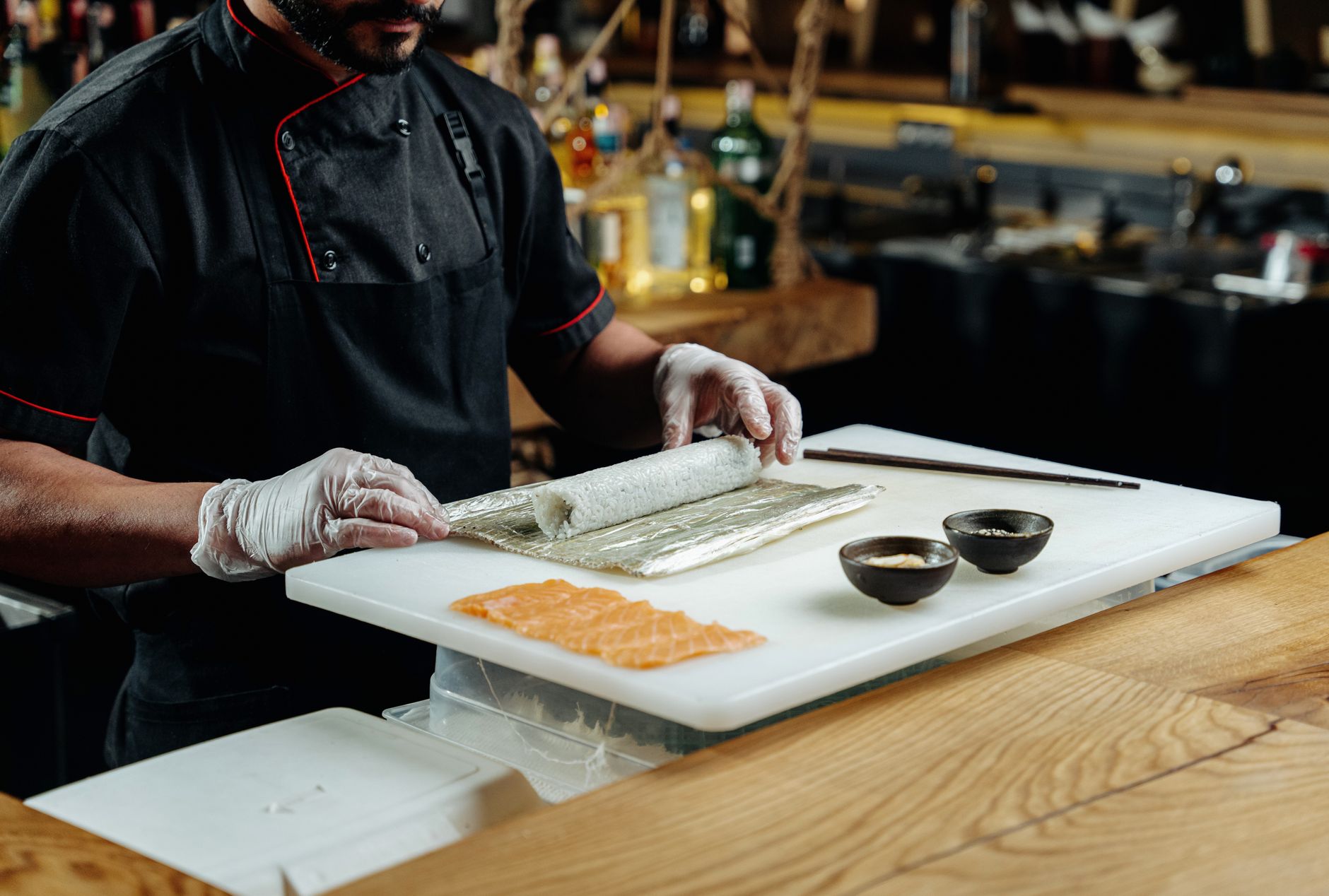
The hospitality sector in West Scotland is witnessing a distinct shift toward intimate, chef led dining concepts, driven by changing consumer preferences in major urban centers. Reporting from Glasgow Live highlights the arrival of a new dedicated omakase sushi bar, marking a notable evolution in the city local restaurant ecosystem. Omakase, a Japanese dining practice where guests entrust the entire menu selection to the head chef, relies on seasonal availability, precise knife skills, and high grade seafood imports. This format departs significantly from traditional casual dining by offering fixed seatings, limited cover counts, and direct interaction between the culinary team and patrons.
Industry analysts point out that the expansion of high end niche concepts reflects broader economic trends across the United Kingdom dining landscape. While casual dining chains continue to struggle with rising overheads, specialized experiential venues are attracting consistent consumer spend. Diners in metropolitan areas are increasingly willing to pay a premium for curated, multi course meals that offer entertainment alongside sustenance. The arrival of this specialized sushi bar demonstrates that regional UK cities outside of London are becoming viable markets for hyper focused culinary traditions that were once restricted to major global capitals.
THE ECONOMICS OF LIMITED COVER RESTAURANTS
Operating an omakase counter presents a vastly different financial model compared to a standard full service restaurant. By limiting capacity to a handful of seats per session, operators can precisely calculate raw ingredient needs and drastically reduce kitchen waste. Premium seafood, particularly sushi grade tuna, sea urchin, and fresh shellfish, carries a high baseline product cost that fluctuates based on international market pricing. A set menu structure allows the kitchen to control portioning and ingredient utilization down to the gram, protecting margins against volatile supplier rates.
However, the financial success of a small scale omakase operation depends heavily on maintaining high occupancy rates across all scheduled seatings. Because total daily covers are strictly capped, missing even a few reservations can significantly impact nightly revenue. To mitigate this risk, many high end sushi bars utilize non refundable deposit systems or full advance ticketing through modern reservation platforms. This approach secures cash flow, minimizes no shows, and allows management to order delicate raw materials with high confidence in daily sales volume.
LABOR COSTS AND SPECIALIZED SKILL REQUIREMENTS
Beyond raw material management, the labor structure of an omakase restaurant is distinctly specialized. Traditional kitchen staff roles are replaced by skilled sushi artisans who must possess years of training in fish butchery, rice acidification, and counter service etiquette. In an open kitchen environment, the chef acts as both cook and host, creating an intimate atmosphere that justifies higher ticket prices. Finding and retaining staff with these specialized skills requires competitive wages, adding to the fixed labor costs of the operation.
The physical design of these venues also requires targeted capital investment. Omakase counters rely on custom woodwork, high specification refrigeration units for dry aging fish, and precise lighting designed to showcase the preparation process. Despite these upfront capital demands, the smaller spatial footprint of a counter setup often results in lower commercial real estate leases. By maximizing revenue per square foot, efficient operators can build highly profitable businesses even within constrained footprint environments.
The opening of new culinary concepts in Glasgow aligns with an evolving demographic profile among Scottish urban diners. Younger professionals and food enthusiasts are prioritizing experiential spending over material purchases, shifting market demand toward unique gastronomic events. Social media visibility plays a crucial role in driving initial interest for these visually striking meals, where each course is presented individually to the guest. Local reporting confirms that interest in authentic East Asian flavor profiles has grown steadily across the region over the past decade.
This shift has encouraged independent restaurateurs to take greater creative risks, moving away from generalized menus toward specific regional styles. Where Scottish diners once viewed sushi primarily as a quick lunch option or a delivery staple, there is now a growing appreciation for the craftsmanship behind high grade nigiri and sashimi. The success of specialized venues in Glasgow suggests that consumer education around international cuisines has reached a maturity level capable of supporting premium price points.
For local consumers, the expansion of high end sushi concepts brings greater diversity to the regional dining scene, eliminating the need to travel to larger international hubs for specialized food experiences. While these multi course meals carry a higher price tag than typical weeknight dinners, they offer a distinct value proposition focused on quality ingredients and direct access to skilled culinary talent. Guests planning to visit should expect mandatory advance bookings and strict timing policies designed to preserve the flow of the tasting menu.
For the broader restaurant industry, the rise of counter service models provides a practical blueprint for navigating current economic pressures. By combining tight inventory controls with premium pricing and limited seating, independent operators can build resilient business models that weather rising supply chain costs. As consumer preference continues to favor unique, high touch experiences, regional dining hubs like Glasgow will likely see further investment in focused, single concept eateries.
Sources and methodology
Reported from the public datasets below.
More from the Foodie Pundit Newsroom
- Glasgow Omakase Boom Signals Shift Toward Ultra Specialized Luxury Dining
- Glasgow Trades Conveyor Belts for Premium Omakase as New Sushi Counter Opens
- Glasgow Dining Scene Embraces Premium Omakase Trend As Specialty Seafood Concepts Expand
- Fast Food Breakfast Wars Heat Up as Chains Swap Donuts for Premium Cinnamon Rolls
- Caffeine Defies Inflation as Consumers Protect Their Daily Coffee Habit