Pickle Coffee Explodes on Social Media as Beverage Operators Assess the Savory Drink Craze
Social media creators are mixing dill brine with iced coffee, sparking a debate over food chemistry, acidity, and the commercial limits of savory drink trends.
By Foodie Pundit Newsroom - Published - Section: Coffee Cafes
Key points
- Viral social media videos are driving consumers to mix dill pickle brine with iced espresso and cold brew drinks.
- Food chemists note that sodium in pickle brine can suppress coffee bitterness, while acetic acid creates a sharp tartness.
- Commercial cafe operators are hesitant to adopt the trend due to cross-contamination risks and low repeat purchase potential.
- The viral phenomenon reflects a broader industry shift toward savory, less sugary beverage profiles.
The specialty coffee industry has seen its share of unusual beverage trends over the past decade. Milk alternatives, nitrogen-infused cold brews, and botanical syrups have all moved from niche hipster cafes into mainstream menus. However, a new viral phenomenon is testing the absolute limits of consumer taste buds. Social media platforms are currently flooded with videos of home baristas and adventurous consumers pouring dill pickle juice directly into their morning iced coffee.
What initially appeared to be an obvious online prank has quickly transformed into a legitimate topic of debate among beverage developers and culinary experts. According to original reporting by Tasting Table, the combination is attracting millions of views across video platforms, prompting both curiosity and intense disgust from coffee purists. While high-concept flavor pairings are standard practice in fine dining, bringing extreme acidity and sodium into espresso-based drinks represents a radical departure from traditional beverage architecture.
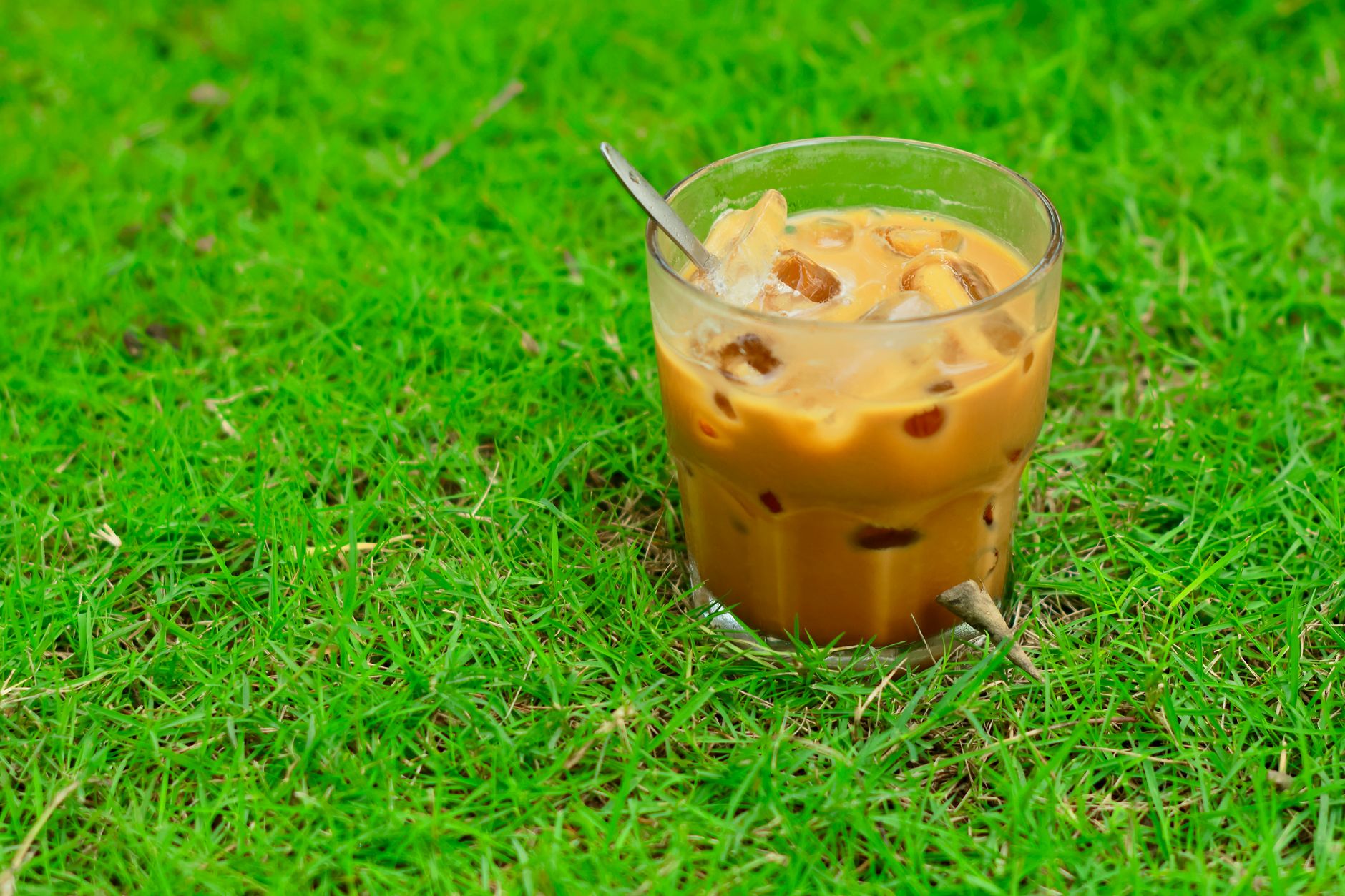
The basic construction of pickle coffee is remarkably straightforward. Most online tutorials instruct creators to prepare a standard iced Americano or cold brew, add a splash of commercial dill pickle brine, and occasionally garnish the glass with a whole pickle spear. Some variations incorporate sweet pickle relish or spicy jalapeno brine, but the core formula relies on the contrast between dark roasted coffee beans and sharp, garlic-infused vinegar.
The mechanics of social media algorithms heavily favor visually striking or deeply polarizing content. Food trends that evoke strong emotional reactions, whether delight or horror, perform exceptionally well because they generate massive engagement in the comment sections. Pickle coffee fits this viral template perfectly. It forces viewers to stop scrolling, re-watch the preparation, and debate whether the creator is genuinely enjoying the drink or merely performing for digital influence.
FLAVOR PROFILE AND THE CHEMISTRY OF ACIDITY
To understand why anyone would willingly mix fermented vegetable brine with roasted coffee beans, one must look at basic food chemistry. Coffee itself is inherently acidic, containing complex organic compounds like chlorogenic, citric, and malic acids. High-end specialty coffee roasters often seek out beans with bright, fruit-like acidity, particularly those grown at high altitudes in East Africa.
Pickle brine introduces acetic acid, sodium chloride, and aromatic herbs like dill and mustard seed. In theory, sodium can act as a powerful flavor suppressor for bitter notes. Adding a pinch of salt to bitter coffee is an old culinary trick used worldwide to smooth out harsh brews. Proponents of pickle coffee argue that the salt in the brine neutralizes the natural bitterness of low-grade beans, while the sharp acetic acid mimics the vibrant fruit acidity found in light-roast specialty coffees.
For commercial coffee shop owners and menu developers, tracking viral consumer behavior is a vital business discipline. When trends like whipped dalgona coffee or dirty sodas go viral online, quick-service operators often pivot their inventory to capture fleeting consumer demand. However, commercial beverage directors are approaching the pickle coffee craze with extreme caution.
Introducing high-acid, highly aromatic ingredients into a standard coffee bar environment presents significant operational challenges. Pickle juice contains strong essential oils and garlic compounds that can easily contaminate plastic syrups bottles, ice scoops, and commercial espresso machinery. Cross-contamination is a major operational risk. Furthermore, while consumers may order a novelty drink once for a social media video, repeat purchase intent for pickle coffee remains exceptionally low compared to seasonal staples like mocha or vanilla lattes.
While pickle coffee may seem like an isolated Internet oddity, it reflects a broader macro-trend across the global food and beverage industry. Consumer preferences are gradually shifting away from overly sweet, sugar-laden syrups toward savory, complex, and functional flavor profiles. Energy drink brands, cocktail mixologists, and RTD beverage manufacturers are increasingly experimenting with Umami notes, botanical herbs, and fermented ingredients.
In the bar industry, savory cocktails like the Dirty Martini and pickleback shots have been staples for decades. The coffee sector is now experiencing its own savory evolution. Specialty cafes in major metropolitan markets have recently reported success with olive oil-infused lattes, black pepper espresso syrups, and sea salt cream cold brews. The pickle coffee phenomenon represents the extreme, unregulated outer boundary of this larger market transition toward adventurous, non-sweet drink profiles.
If you are an adventurous coffee drinker curious about trying this trend at home, exercise restraint with your proportions. Start by brewing a smooth, low-acid cold brew concentrate, as hot coffee can intensify the harsh vinegar aroma of the brine. Add no more than half a teaspoon of dill pickle juice to a full glass of iced coffee to test your tolerance for the salty and sour notes.
For restaurant and cafe patrons, do not expect to see pickle lattes on your local coffee shop chalkboard anytime soon. Independent cafes are unlikely to risk gear contamination or waste expensive inventory on a trend with doubtful long-term commercial viability. However, you should anticipate seeing a wider variety of subtle savory ingredients, such as sea salts, herbal extracts, and citrus zests, making their way into mainstream coffee menus as brands attempt to capitalize on the public appetite for complex, less sugary morning drinks.
Sources and methodology
Reported from the public datasets below.
More from the Foodie Pundit Newsroom
- Pickle Coffee Goes Viral As Savory Beverage Trends Reshape Coffee Shop Economics
- Pickle Brine In Cold Brew Marks Latest Wave Of Savory Beverage Trends
- Pickle Juice in Coffee Is the Latest Viral Beverage Trend Confusion
- The Pickle Coffee Trend Highlights How Viral Culture Shapes Cafe Economics
- Brine in the Brew: How Pickle Coffee Became the Latest Internet Obsession