Ready to Drink Cocktails Transform Beverage Retail as Convenience Outpaces Craft Mixology
Consumer demand for high quality convenience accelerates a massive shift toward pre-mixed canned beverages across retail and dining sectors.
By Foodie Pundit Newsroom - Published - Section: Wine Spirits
Key points
- Ready to drink cocktails are outperforming traditional beer and wine growth rates, driven by consumer demand for portability and quality.
- Spirit-based formulations using real tequila, bourbon, and vodka are rapidly replacing malt-based seltzers as the dominant product style.
- Hospitality venues are deploying canned cocktails to combat high labor costs and increase service speed during high-volume hours.
- Tax regulations and differential pricing remain key challenges for spirit-based cans compared to malt-based options.
THE CANNED REVOLUTION TAKES OVER RETAIL SHELVES
The beverage landscape is experiencing a seismic realignment as pre-mixed, canned cocktails gain unprecedented market share across North America and Europe. Consumers who once sought out elaborate craft cocktail lounges are increasingly opting for portable, premium spirits packaged in aluminum cans. This shift reflects broader changes in lifestyle, entertaining habits, and disposable income allocation. Retail data shows that ready to drink formulations are no longer viewed as cheap substitutes, but rather as convenient expressions of modern mixology.
According to research highlighted by Beverage Industry Magazine, the ready to drink segment has outperformed traditional beer and wine growth rates for three consecutive years. Industry analysts attribute this surge to improvements in flavor preservation technology and the entry of legacy spirit brands into the space. What began as a niche offering centered around malt-based hard seltzers has rapidly evolved into a sophisticated category dominated by real spirits like tequila, bourbon, and premium vodka.
The speed of this transformation has forced traditional beverage companies to reallocate capital quickly. Production lines previously dedicated to carbonated soft drinks or standard lagers are being reconfigured to handle complex spirit formulations and delicate botanical extracts. Distributors report that shelf space dedicated to canned cocktails has expanded by more than forty percent in major grocery chains over the past eighteen months alone.
CHANGING CONSUMER BEHAVIOR AND CONVENIENCE
The primary engine driving this boom is a fundamental change in consumer expectations regarding convenience and quality. Preparing a high-quality cocktail at home traditionally required purchasing multiple spirits, fresh citrus, specialized syrups, and specific bar tools. The canned format eliminates these financial and logistical barriers, allowing individuals to enjoy balanced craft drinks without cluttering their kitchens or wasting ingredients.
Portability plays an equally critical role in the category success. Ready to drink options allow consumers to bring sophisticated spirit-based beverages to outdoor events, beaches, music festivals, and informal gatherings where glass bottles and cocktail shakers are impractical or prohibited. The single-serve nature of cans also caters to households with diverse taste preferences, allowing each person to select a different beverage style without committing to a full bottle of liquor.
Health considerations and portion control have also influenced purchasing patterns. Canned cocktails typically feature clearly labeled caloric counts and ABV percentages, providing transparency that standard bar pours lack. Many modern brands focus on low sugar recipes, natural flavorings, and controlled alcohol volumes, appealing to wellness-minded drinkers who still wish to consume premium spirits in moderation.
As the market saturates, brand differentiation has shifted toward premiumization and authentic ingredient sourcing. Early entries into the convenience category relied heavily on artificial flavors and neutral grain spirits. Today, leading market players emphasize small-batch distilleries, real fruit juices, organic agave nectar, and complex bitters to match the quality of high-end bars.
Beverage Industry Magazine notes that spirit-based offerings are growing significantly faster than malt-based alternatives. Consumers are demonstrating a clear willingness to pay higher prices for products containing authentic tequila Blanco or aged whiskey rather than flavored malt beverages. This willingness to spend has elevated the average price point per pack, boosting profitability for retailers and producers who invest in high quality raw materials.
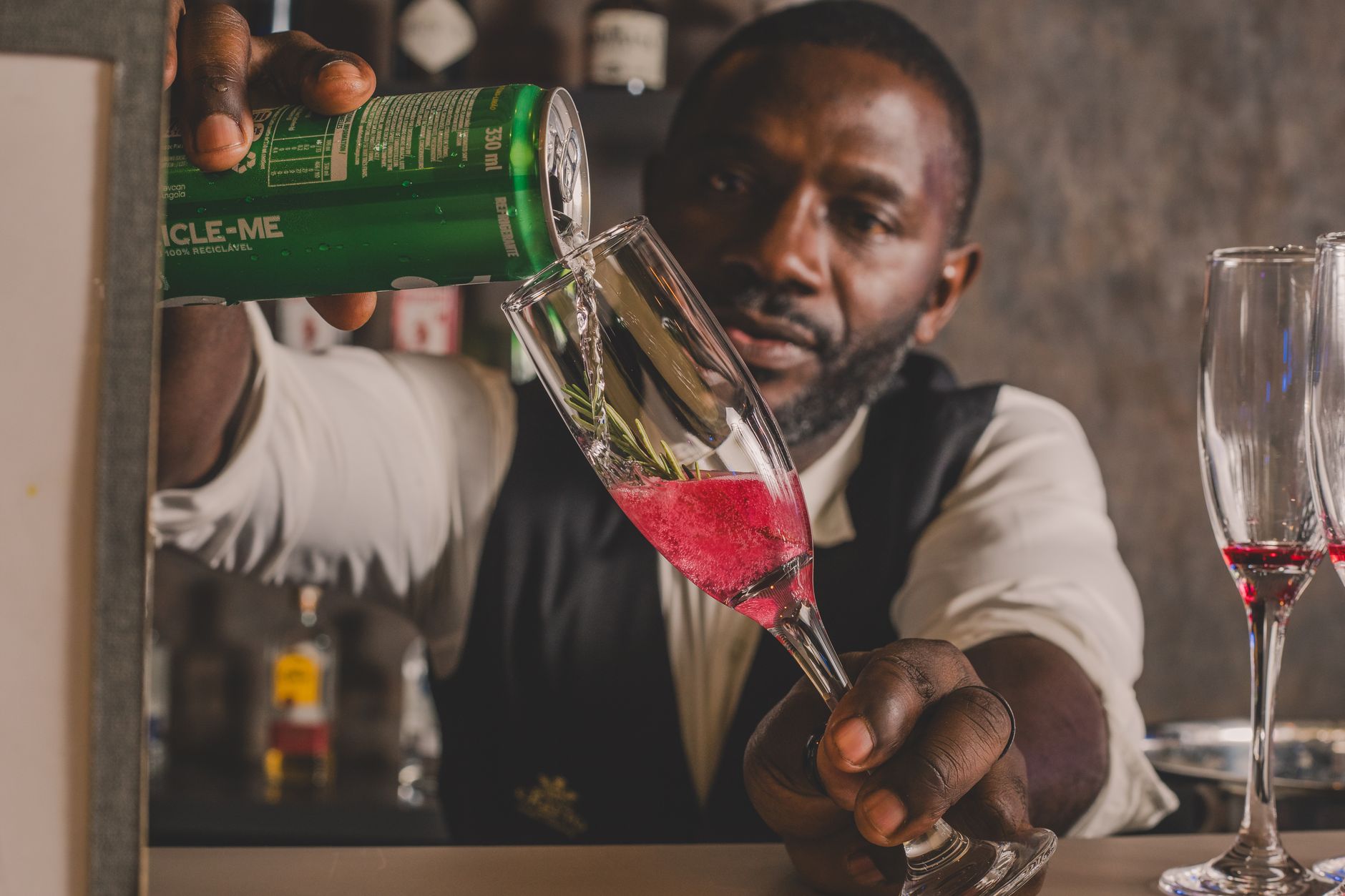
Packaging technology has advanced alongside ingredient sourcing. Modern canning techniques utilize specialized inner linings that prevent acidic ingredients, such as lime juice or tonic, from interacting with the metal walls. Furthermore, nitrogen dosing technology allows manufacturers to replicate the creamy texture of shaken drinks or the delicate effervescence of champagne cocktails, elevating the sensory experience directly from the can.
CHALLENGES facing TRADITIONAL BARS AND DISTILLERIES
The rapid rise of ready to drink products presents both opportunities and challenges for traditional hospitality venues. On-premise locations, including restaurants and sports stadiums, are adopting canned cocktails to speed up service and reduce labor costs. By serving pre-mixed drinks, venues can maintain high volume output during peak hours without needing to employ large teams of experienced mixologists.
However, neighborhood bars and craft cocktail establishments face heightened competition for consumer spending. As consumers realize they can purchase bar quality drinks at a fraction of the price from local retailers, casual evening outings may decline. Distilleries are adapting by releasing their own proprietary canned lines, using their brand equity to secure shelf space and offset potential drops in bottle sales or tasting room visits.
Regulatory frameworks remain a significant hurdle for the sector. Tax structures in many jurisdictions still classify spirit-based canned drinks at higher rates than malt-based seltzers, leading to uneven pricing and retail distribution limits. Industry advocacy groups are actively lobbying state and federal governments to equalize tax rates, arguing that tax policy should reflect alcohol content by volume rather than the base agricultural product used in distillation.
For the everyday consumer, the expansion of the ready to drink category means unprecedented access to high quality, diverse beverages without the elevated price tag of a cocktail lounge. You can expect to see wider selections at local grocery stores, sports venues, and outdoor entertainment events, making entertaining at home or on the go far simpler and more affordable.
As competition intensifies among major beverage corporations, prices for premium canned cocktails are likely to remain competitive while drink quality continues to improve. Expect more options tailored to specific dietary preferences, including low calorie, zero sugar, and non-alcoholic craft alternatives on store shelves in the coming months.
Sources and methodology
Reported from the public datasets below.
More from the Foodie Pundit Newsroom
- TikTok Lobster Tan Trend Leaves Viewers Red and Doctors Pushing Back
- How Viral Grazing Culture Is Reshaping Restaurant Margins and Retail Menus
- Why the Viral Watermelon and Mustard Trend Captivated Consumers and What It Means for Food Retailers
- Social Media Lobster Tan Craze Highlights Persistent Sun Damage Risks
- Rising Lobster Tan Trend Prompts Urgent Health Warnings Amid Social Media Craze