Why You Should Buy Your Next Ribeye At A Restaurant Supply Warehouse
Discover why savvy shoppers are beating inflation by skipping supermarkets and buying groceries at open-to-the-public restaurant supply warehouses.
By Foodie Pundit Newsroom - Published - Updated - Section: Grocery Cpg
Key points
- Restaurant supply stores like US Foods CHEF'Store and Gordon Food Service are open to the public with no membership required, offering wholesale margins instead of retail markups.
- The biggest savings come from buying sub-primal cuts of meat and breaking them down into steaks or chops yourself, skipping the supermarket butchery premium.
- Spices, heavy cream, and pantry staples like rice and flour can be purchased in commercial quantities for a fraction of the cost per ounce.
- Successfully utilizing this model requires upfront infrastructure investments, specifically a deep freezer and heavy-duty pantry storage bins.
- Produce should be approached with caution to avoid waste, focusing mainly on root vegetables or items you are prepared to preserve immediately.
The grocery store has become a place of quiet anxiety for the American household. You walk in with a short list and walk out eighty dollars lighter, staring at a single bag of items and wondering where the money went. The traditional avenues for finding value have slowly closed their doors.
Supermarket sales are often just regular prices dressed up in bright yellow tags, and the coupons of yesterday have been replaced by confusing digital apps that require you to trade your personal data for fifty cents off a box of cereal. Even the mighty warehouse club stores, long the champions of middle-class bulk buying, have subtly shifted their models to prioritize premium impulse buys over pure savings on staples.
But a quiet revolution is happening in the industrial parks and suburban commercial zones across the country. Savvy home cooks are skipping the automatic sliding doors of their local supermarket and instead pulling their carts into the loading docks of restaurant supply stores. Places like US Foods CHEF'Store, Gordon Food Service, and Restaurant Depot are increasingly opening their doors to the general public, offering no-membership-required access to the exact same supply chains that feed your favorite local diners and steakhouses.
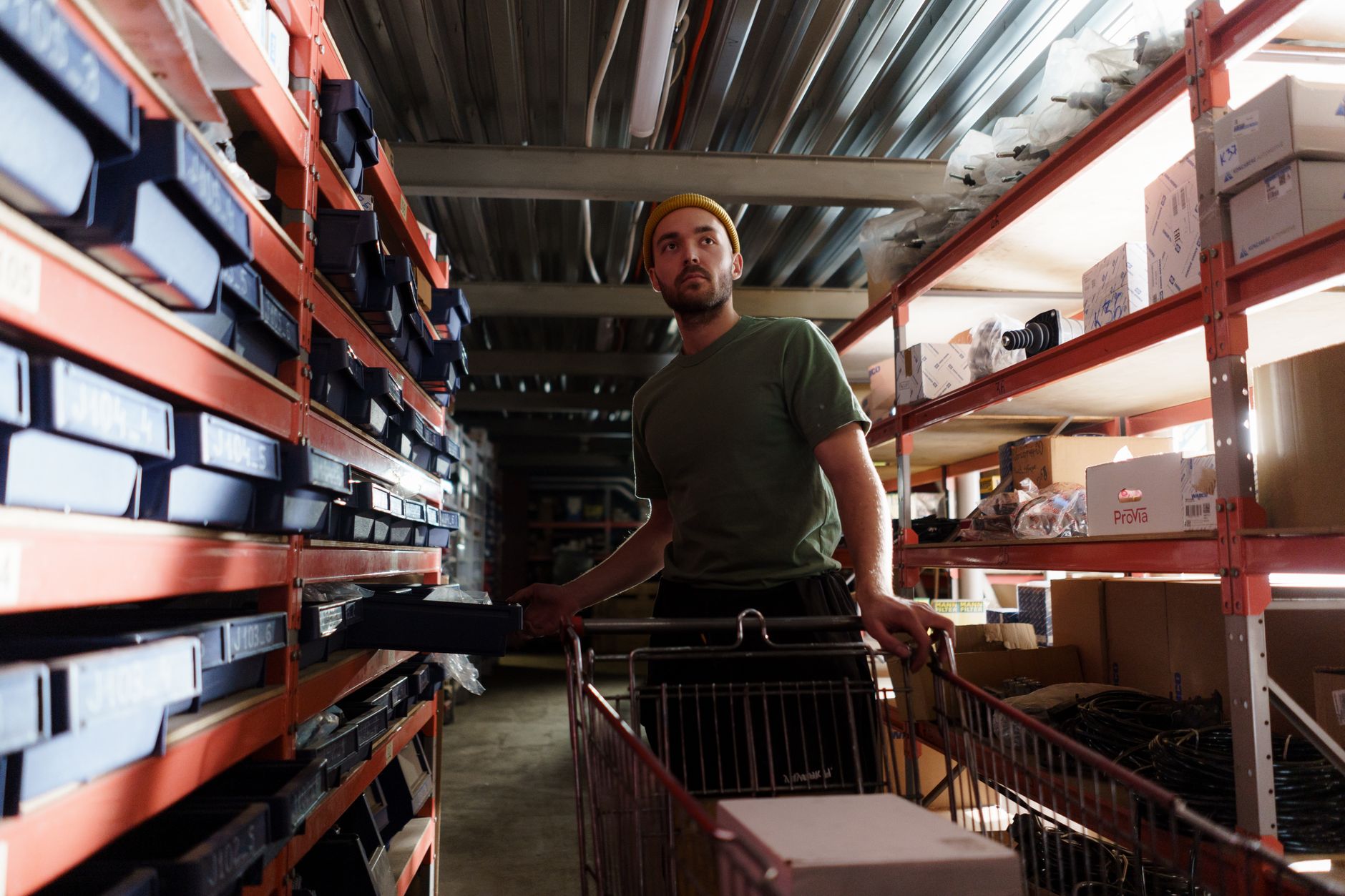
This is not a shopping trip for the faint of heart. There is no curated treasure hunt here, no samples of organic granola, and no seasonal apparel section to distract you. You will find concrete floors, industrial steel shelving, and walk-in refrigerators so massive they require a winter jacket in July. But what you will also find is the last remaining bastion of true grocery value, a place where the math of feeding a family actually works in your favor if you are willing to learn a few basic culinary skills.
For decades, the standard advice for families trying to save money on groceries was to buy a membership to a warehouse club. The conventional wisdom held that buying in bulk was the only way to beat the retail markup of a traditional grocery store. And for a long time, that wisdom was sound. But the landscape of the warehouse club has evolved significantly over the last ten years.
Today, those massive stores are less about raw savings on basic ingredients and more about lifestyle curation. They want you to buy the bulk pack of premium organic snacks, the massive television, and the branded outdoor furniture. The actual commodity groceries are often priced competitively, but they are packaged in ways that encourage overconsumption rather than true savings. You might save ten percent per ounce on chicken breasts, but you are also highly likely to buy a fifty-dollar tray of pre-made sushi and a premium bottle of wine that you never intended to purchase.
Restaurant supply stores operate on a fundamentally different psychological model. They are built for business owners who are tracking food costs down to the penny. The layout is strictly utilitarian, designed for speed and efficiency rather than discovery and distraction.
There is no ambient music playing to keep you lingering in the aisles. The goal is to get the product off the shelf, into the kitchen, and onto a plate. This lack of retail polish is exactly what keeps the overhead low and the prices attached to reality.
The most significant savings at a restaurant supply warehouse are found in the meat department, but accessing those savings requires a paradigm shift in how you think about buying protein. At a standard grocery store, you are paying a massive premium for butchery and packaging. A butcher has taken a large piece of meat, trimmed the fat, cut it into individual portions, placed it on a foam tray, and wrapped it in plastic. Every single one of those steps adds to the final price per pound.
At a restaurant supply store, you bypass this entire process by purchasing sub-primal cuts. These are the large, vacuum-sealed pieces of meat exactly as they arrive from the packing plant. Instead of buying three individually wrapped ribeye steaks, you buy an entire fifteen-pound ribeye roll.
The upfront cost might be a hundred and fifty dollars, which causes immediate sticker shock for a home cook. But when you do the math, the price per pound is often half of what you would pay at the supermarket.
The tradeoff is your own labor. You must take that fifteen-pound piece of meat home, place it on a large cutting board, and slice it into steaks yourself. It requires a sharp knife, a little bit of confidence, and about twenty minutes of your time.
You can cut the steaks exactly as thick as you like them, trim the fat to your own preference, and vacuum seal the portions for your freezer. You are essentially paying yourself fifty dollars an hour in savings just to do the basic butchery that the supermarket used to do for you.
This same logic applies across the entire protein spectrum. You can buy whole pork loins for a few dollars a pound, slicing them into dozens of thick-cut pork chops. You can buy chicken thighs in forty-pound cases, dividing them up into meal-sized bags. You can even find massive briskets, whole salmon fillets, and entire wheels of cheese at prices that make the local supermarket look like an absolute extortion racket.
Produce is where the restaurant supply model requires the most strategic thinking. The value is undeniably present, but the volume can be overwhelming for a single household. When a restaurant buys onions, they buy them in fifty-pound sacks. When they buy spinach, it comes in massive boxes intended to be wilted down for a weekend brunch rush.
If you purchase a massive case of highly perishable produce and allow half of it to rot in your crisper drawer, you have completely defeated the purpose of the value hunt. The key to navigating the produce section of a restaurant supplier is understanding the shelf life of the items you are buying and having a plan for preservation.
Root vegetables are the easiest entry point. A fifty-pound bag of potatoes, stored in a cool, dark place, will last for months. The same is true for onions and carrots. If you have the storage space, these staple ingredients can be purchased for literal pennies on the dollar compared to retail pricing. You will never again hesitate to make a massive batch of potato soup or a huge tray of roasted root vegetables.
For more perishable items, preservation is the name of the game. If you buy a massive flat of bell peppers because the price is simply too good to pass up, you must be prepared to process them. Roasting them, freezing them, or pickling them ensures that your initial investment translates into long-term value. The restaurant supply store forces you to become a more deliberate, intentional cook, planning your meals around what needs to be utilized rather than what you simply feel like eating on a random Tuesday.
The dry goods aisles of a restaurant supply store offer a different kind of value, one that is less about massive upfront capital expenditure and more about steady, reliable savings on the items you use every day. Consider the simple act of buying rice. At the supermarket, a two-pound bag of jasmine rice might cost five dollars.
At the supply store, a twenty-five-pound bag of the exact same rice might cost twenty dollars. The rice does not go bad, it requires no special storage beyond a sealed container, and it dramatically lowers the cost of every single meal you build around it.
Flour, sugar, cooking oil, and dried beans follow the exact same economic rules. If you are someone who bakes frequently, buying flour in fifty-pound sacks is a revelation. It transforms baking from an occasional hobby into an incredibly cheap way to feed your family. A loaf of homemade bread drops from a two-dollar expense to a twenty-cent expense.
Then there is the dairy cooler, which holds one of the best-kept secrets in the value hunting world. Heavy cream is a notoriously expensive ingredient at the retail level, often sold in tiny half-pint cartons for exorbitant prices. At the restaurant supply store, you can buy heavy cream by the half-gallon for the price of two tiny retail cartons.
This suddenly makes homemade ice cream, rich cream sauces, and decadent soups incredibly affordable. The same goes for butter, which is sold in solid one-pound blocks rather than individual sticks, and massive logs of goat cheese that cost less than a tiny crumbled tub at the grocery store.
If there is one aisle in the traditional supermarket that represents the absolute pinnacle of retail markup, it is the spice aisle. You are paying a premium for tiny glass jars, elaborate labels, and the convenience of buying an ounce of cumin at a time. The markup on spices is so astronomical that it practically borders on financial absurdity.
Walk down the spice aisle of a restaurant supply store and you will feel a mixture of joy and profound irritation at how much money you have wasted over the years. Here, spices are sold in utilitarian plastic jugs, usually holding sixteen to thirty-two ounces. A massive jug of high-quality black peppercorns might cost ten dollars. That same amount of pepper, purchased in tiny retail grinders, would cost you fifty dollars or more.
Paprika, garlic powder, oregano, and cinnamon are all available in these industrial quantities. The common objection is that spices lose their potency over time, and a home cook could never use thirty-two ounces of oregano before it turns to flavorless dust. But even if you use only half the jug and eventually throw the rest away, you have still saved a significant amount of money compared to the tiny glass jars.
More importantly, having massive quantities of spices encourages you to cook more boldly. You stop measuring paprika by the careful teaspoon and start using it by the generous handful, improving your food and your confidence in the kitchen.
To truly unlock the value of the restaurant supply store, you must make a secondary investment. You cannot buy forty pounds of chicken thighs and a fifteen-pound ribeye roll if you are trying to stuff them into the tiny freezer compartment above your refrigerator. The dedicated chest freezer is the engine that makes this entire economic model function.
Purchasing a deep freezer is a capital expenditure. It will cost you a few hundred dollars upfront, and it will draw a small amount of electricity every month. But this appliance pays for itself within the first three months of serious value hunting. It allows you to buy in genuine bulk, breaking down large cuts of meat and storing them safely for months at a time.
It also changes your relationship with the grocery store. When you have a chest freezer full of protein, you are no longer at the mercy of weekly supermarket pricing. If beef prices spike suddenly, you simply eat chicken or pork from your freezer reserves until the market stabilizes. You become your own supply chain manager, insulating your household budget from the erratic swings of inflation and seasonal pricing.
NAVIGATING THE AISLES LIKE A PROFESSIONAL
Shopping at a restaurant supply warehouse requires a different set of rules than a Sunday morning trip to the local supermarket. First, you must bring your own infrastructure. These stores do not offer flimsy plastic bags at the checkout.
They expect you to load massive cardboard boxes directly into your vehicle. Smart shoppers bring heavy-duty reusable bags or their own collapsible crates to keep items organized in the trunk.
Second, you must understand the pricing labels. Because these stores cater to businesses, the prices displayed on the shelves rarely include sales tax, as restaurants typically purchase food tax-exempt for resale. You must factor your local grocery tax back into the equation when calculating your final bill.
Third, you must dress for the occasion. The walk-in coolers and freezers in these facilities are not the glass-doored display cases you are used to. They are massive, heavily refrigerated rooms where the produce and dairy are stored.
You will be pushing a heavy metal cart through spaces kept at thirty-five degrees Fahrenheit. If you show up in shorts and a t-shirt, you will be miserable before you even reach the butter section.
Finally, you must be prepared for the sheer scale of the operation. The carts are larger, the aisles are wider to accommodate pallet jacks, and the quantities are staggering. It is easy to get swept up in the novelty of seeing a five-gallon bucket of mayonnaise, but you must remain disciplined. The goal is value, not novelty.
The greatest threat to the restaurant supply shopping model is not the upfront cost, but the back-end waste. Buying fifty pounds of flour is only a good deal if you actually bake. Buying a massive block of cheddar cheese is only a good deal if you portion it, freeze the excess, and consume it before it molds.
Value hunting at this scale requires a serious commitment to inventory management. You must label and date your freezer packages clearly. You must rotate your pantry stock, pulling older items to the front and placing newer purchases in the back. You must plan your weekly meals around the ingredients you already own, rather than deciding what sounds good and running to the store to buy it.
This is a return to a very old way of cooking and managing a household. It requires discipline, planning, and a willingness to do a little bit of manual labor in your own kitchen. But the reward is a grocery budget that suddenly makes sense again. You stop feeling like a victim of retail inflation and start feeling like a strategic operator, navigating the food system with intention and skill.
More from the Foodie Pundit Newsroom
- TikTok Pasta Is Officially a Foodie GOAT
- The Internet Has Spoken: Why a Viral Pasta Recipe is the New Fine Dining
- A new Missouri SNAP experiment tells us nothing about what hits the cart
- Japan's food safety files meet Brazil's prices at the American table
- Miami And Coral Gables Brace For A New Wave Of Dining