San Antonio Lounge Launch Demonstrates Rising Value of Experiential Hospitality Design
San Antonio welcomes a new high-concept cocktail venue, highlighting the rising importance of immersive interior design and social sharing in modern bar economi
By Foodie Pundit Newsroom - Published - Updated - Section: Wine Spirits
Key points
- High-concept bar interior designs drive premium pricing power and organic social media marketing.
- Visual beverage presentation allows operators to maximize craft cocktail profit margins.
- Regional markets like San Antonio are increasingly adopting major metro nightlife trends.
- Long-term profitability for aesthetic lounges requires combining visual appeal with operational discipline.
The hospitality industry in Texas is witnessing a pronounced shift toward high-concept visual design as operators prioritize immersive environments to attract night-life consumer spending. In San Antonio, local food and beverage developments continue to reflect this trend, with operators leaning heavily into specialized aesthetic themes, signature lighting schemes, and targeted cocktail programming. A report by MySanAntonio highlights the debut of The Pink Room, a lavish cocktail lounge designed to capture consumer demand for visually striking, experiential nightlife venues.
The introduction of dedicated experiential concepts reflects a broader strategy across urban dining districts. As competition intensifies among bar operators, venue design has moved from a secondary consideration to a primary engine for guest acquisition and customer retention. Operators are increasingly designing spaces tailored to digital photo sharing, recognizing that organic social media promotion serves as a powerful revenue driver in modern food and beverage economics.
DESIGN INVESTMENT AND ATMOSPHERIC STRATEGY
The Pink Room exemplifies the modern approach to interior design in the beverage sector. The venue relies on a focused color palette, specialized ambient lighting, dynamic interior textures, and plush seating arrangements intended to create a distinctive atmosphere. Every visual detail within the space is curated to establish a cohesive brand identity that sets it apart from traditional neighborhood bars and standard cocktail lounges.
Industry analysts note that high-concept interiors require significant upfront capital expenditure compared to traditional tavern builds. Lighting systems, custom furniture, textured wall treatments, and specialized bar fixtures increase initial development budgets substantially. However, operators view these capital investments as essential for driving premium pricing power, allowing venues to command higher average check totals on artisanal cocktails and specialized beverage packages.
BEVERAGE PROGRAMMING AND MARGIN OPTIMIZATION
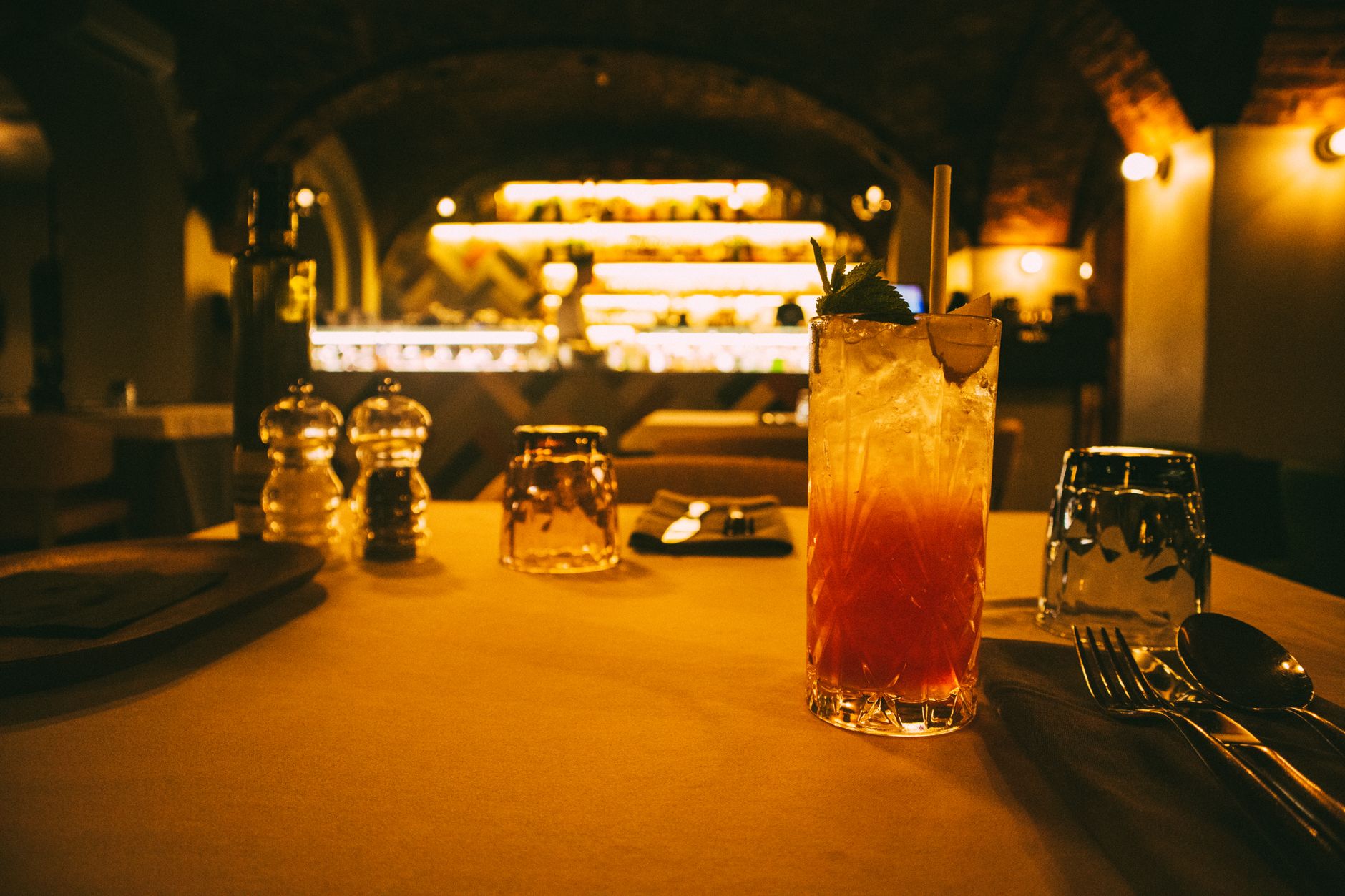
Beyond the physical architecture, experiential lounges like The Pink Room place heavy emphasis on signature mixology programs. Visual presentation extends directly into the beverage menu, where cocktails are crafted using colorful ingredients, unique glassware, elaborate garnishes, and dramatic serving methods. These visually complex drinks are designed to complement the interior environment, creating a unified sensory experience for guests.
From a margin perspective, high-end cocktail menus offer strong profit potential for hospitality groups. Craft cocktails typically carry higher gross margins than beer or wine, provided that labor efficiency and portion control are strictly managed. By pairing high-margin visual cocktails with an environment designed for social sharing, venues maximize revenue per seat while establishing a recognizable identity in a crowded metropolitan market.
The rise of photo-driven lounges highlights changing consumer behavior, particularly among younger demographics who prioritize shareable experiences over traditional dining outings. Hospitality operators report that guests increasingly view an evening out as a form of entertainment where the venue environment is just as important as the quality of the food and drink. This shift has forced bar owners to rethink space allocation, lighting design, and floor layouts to ensure maximum visual appeal.
Furthermore, social media discovery has fundamentally altered marketing budgets for new venue launches. Traditional advertising campaigns are often bypassed in favor of organic social sharing generated by early patrons. When guests publish photos and short videos of an aesthetically distinct space, they create a secondary marketing loop that drives sustained foot traffic without ongoing ad spend. Venues built around strong design cues are uniquely positioned to leverage this consumer behavior pattern.
San Antonio has experienced steady growth in its hospitality sector, fueled by population increases, urban redevelopment initiatives, and a rising profile as a culinary destination. As the local market matures, consumers have developed higher expectations for bar concepts, prompting operators to differentiate through specialized themes and elevated service standards. MySanAntonio notes that venues emphasizing unique visual identities are carving out a distinct niche within the city established nightlife corridors.
The emergence of venues like The Pink Room signals that mid-sized markets are increasingly adopting trends previously concentrated in major metropolitan centers such as Los Angeles, Miami, or New York. Local operators are demonstrating that consumers in regional hubs demand sophisticated, highly designed spaces for socializing, prompting continuous investment across urban food and beverage districts.
OPERATIONAL CHALLENGES AND LONG-TERM SUSTAINABILITY
While aesthetic-focused lounges generate substantial immediate interest, maintaining long-term profitability requires strong operational fundamentals. Trends in interior decor and social media appeal can evolve rapidly, placing pressure on operators to maintain fresh programming, consistent service quality, and evolving menu offerings. Venues that rely solely on visual novelty risk high customer turnover once the initial hype subsides.
Successful operators manage this challenge by pairing visual design with rigorous business operations. This includes tight inventory management, competitive pricing strategies, regular staff training, and scheduled menu refreshes. By anchoring a striking visual design with high service standards, operators ensure that one-time visitors transition into repeat patrons who drive predictable, recurring revenue over the long term.
For consumers, the opening of concepts like The Pink Room expands options for experiential nightlife, providing distinct spaces tailored for celebrations and social gatherings. You can expect to pay premium prices for craft cocktails, reflecting the elevated design and labor investment of the venue.
For operators and industry professionals, the continued success of visually driven concepts underlines the importance of integrating interior design into overall business planning. Investing in strong aesthetics can dramatically reduce initial marketing costs, but maintaining long-term profitability ultimately hinges on cocktail margins, operational discipline, and consistent guest service.
Sources and methodology
Reported from the public datasets below.
More from the Foodie Pundit Newsroom
- UK Food Prices Remain Firm as Inflation Holds Steady Across Grocery Aisle
- UK Food Inflation Holds Steady as High Grocery Bills Become the New Normal
- National Casual Dining Chain Liquidates Assets and Closes All Locations Following Bankruptcy Filing
- Nationwide Casual Dining Operator Liquidates Asset Portfolio and Shuts All Locations
- Casual Dining Squeeze Triggers Massive Shutdown as Chain Cuts 28 Locations