Why Your 'Fresh' Seafood Might Take a Detour Through Nebraska
Discover why your fresh seafood might be routed through inland hubs like Nebraska, thanks to a logistics revolution focused on safety, technology, and shelf lif
By Foodie Pundit Newsroom - Published - Updated - Section: Chain Watch
Key points
- The American seafood supply chain is shifting from coastal hubs to centralized inland facilities in states like Nebraska for enhanced safety testing.
- Advanced technologies like super-chilling and PCR pathogen detection are extending seafood shelf life, redefining the concept of 'freshness'.
- This new model reduces foodborne illness risk and retail spoilage but raises questions about supply chain transparency and regulatory oversight.
- Consumers benefit from safer products and longer at-home shelf life, though the journey from ocean to plate is now longer and more complex.
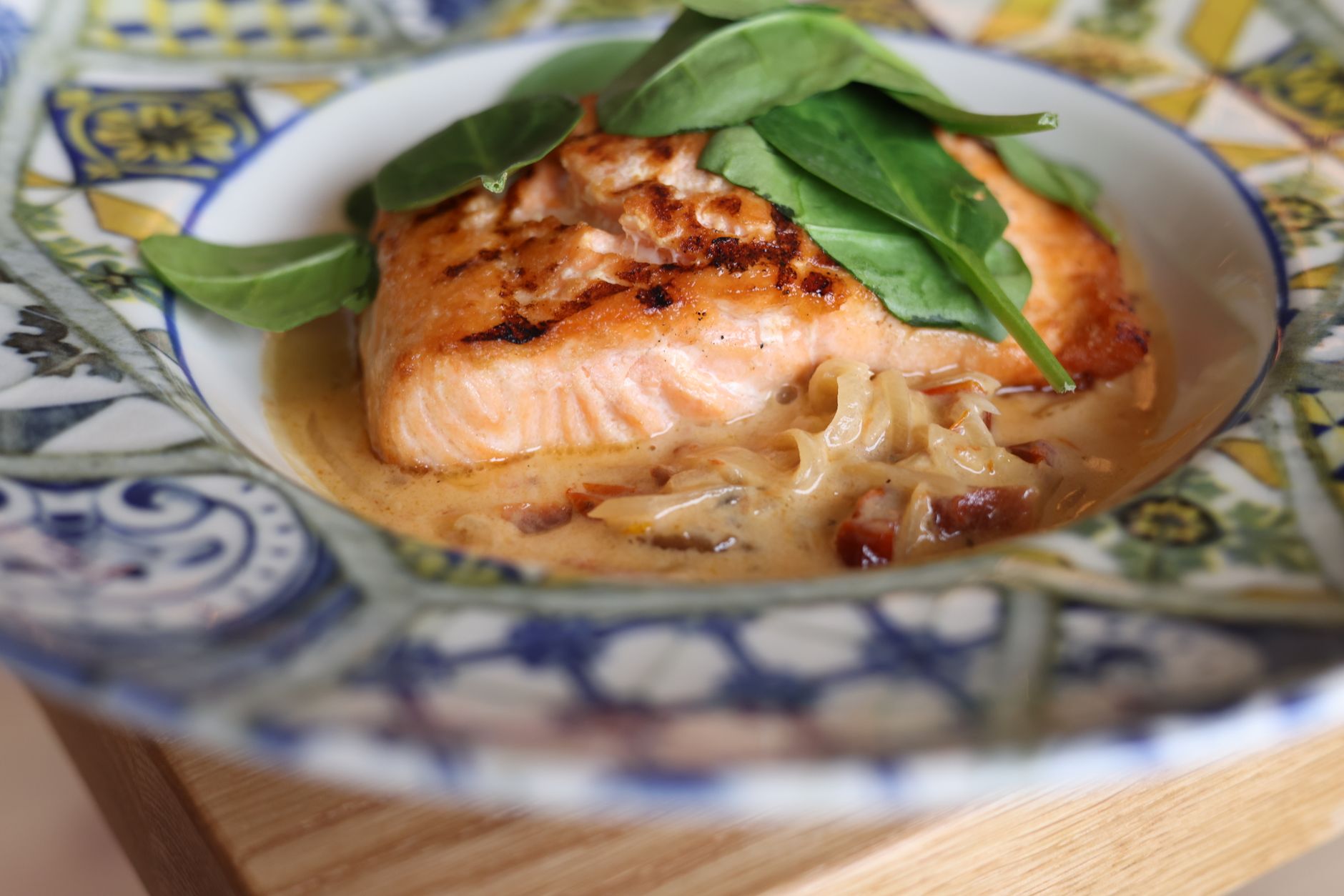
A fillet of wild-caught Alaskan salmon, glistening under the lights of a seafood counter in Phoenix, Arizona, likely traveled a more complex path than its journey from the river to the net. Before arriving in the desert, that fish might have taken a significant detour, spending time in a hyper-chilled, ultra-monitored facility in Omaha, Nebraska. This is the new reality of the American seafood supply chain, a system undergoing a quiet but radical transformation driven by data, logistics, and a relentless push to extend the shelf life of a notoriously perishable product.
For decades, the journey of fresh fish was a race against time, a direct line from coastal ports to regional hubs and, finally, to retailers. The industry operated on a simple, if unforgiving, principle: sell it fast or lose it. But a confluence of factors, including advancements in cold chain technology, sophisticated pathogen detection, and the rise of e-commerce, has turned this linear model on its head. Today, seafood is increasingly funneled through inland consolidation centers in places like Nebraska, Kansas, and Indiana, where it is tested, graded, and rerouted with startling efficiency.
This shift is not merely a geographical curiosity. It represents a fundamental change in how the industry manages risk, quality, and freshness. By centralizing the inspection and distribution processes, major logistics firms can implement safety protocols that are often more stringent than what smaller, coastal operations could afford. These inland hubs are fortresses of food safety, equipped with state-of-the-art labs that can screen for Listeria, Salmonella, and Vibrio vulnificus with unprecedented speed and accuracy.
Paradoxically, this quest for safety and longevity introduces new complexities. While a fish may be "safer" in terms of its microbial load after passing through a Nebraskan facility, is it still "fresh" in the way a consumer understands the term? The lines are blurring, and the industry is betting that a demonstrably safer product with a few extra days of shelf life is a trade-off consumers are willing to make, whether they know it or not.
The rise of these inland seafood hubs is a direct response to the inherent vulnerabilities of the traditional supply chain. Historically, seafood has been one of the most common sources of foodborne illness outbreaks. The Centers for Disease Control and Prevention (CDC) consistently identifies fish and shellfish as significant vectors for pathogens, with millions of dollars lost annually to recalls, healthcare costs, and damaged consumer confidence.
In this high-risk environment, a new breed of food logistics company has emerged, offering a data-driven solution. These are not your old-school fishmongers. They are tech companies that happen to specialize in cold-chain logistics.
Their facilities are marvels of engineering, where temperature, humidity, and atmospheric composition are controlled to the decimal point. Every pallet of fish is tracked with RFID tags, its temperature history logged in a blockchain-style ledger that is immutable and transparent to stakeholders.
Inside these centers, the process is systematic. A shipment of tuna from the Gulf of Mexico arrives and is immediately quarantined. Samples are whisked away to an on-site lab, where technicians use Polymerase Chain Reaction (PCR) testing to rapidly amplify and detect microbial DNA.
PCR tests can deliver results in a matter of hours, a dramatic improvement over traditional culture-based methods that could take days. If a shipment tests positive for a dangerous pathogen, it can be isolated and destroyed before it ever enters the wider distribution network.
This proactive approach is a game-changer. It shifts the industry from a reactive model of recalling tainted products to a preventative one that stops contamination at the source. One leading logistics firm reported a 99.8 percent success rate in identifying and containing potential contaminants before they reached a single retailer in the past fiscal year. This level of control was unimaginable just a decade ago.
This centralization also allows for more efficient distribution. Instead of multiple fishing fleets sending smaller, disparate shipments directly to dozens of cities, they now send consolidated truckloads to a few key inland hubs. From there, sophisticated algorithms determine the most efficient routing for outbound deliveries, optimizing for fuel costs, delivery times, and the specific inventory needs of thousands of individual grocery stores and restaurants. A single truck leaving Omaha might contain salmon for Phoenix, shrimp for Denver, and scallops for Salt Lake City, all packed in precisely temperature-controlled containers.
The success of the inland hub model hinges on its ability to redefine "freshness" itself. Consumers have long been conditioned to believe that fresh fish means fish that was recently caught and quickly transported. The industry is now subtly educating the public that "safe and high-quality" is a better metric. This is achieved through a combination of advanced preservation techniques and marketing.
One of the key technologies is super-chilling, also known as deep-chilling. This involves storing fish at temperatures just below freezing, typically between -1 and -2 degrees Celsius. At these temperatures, the fish does not freeze solid, which would damage its cellular structure and lead to a mushy texture upon thawing. Instead, a portion of the water in the fish crystallizes into a fine slush, dramatically slowing down microbial growth and enzymatic decay without the negative effects of a hard freeze.
A super-chilled fillet can retain its "just-caught" texture and flavor for up to two weeks, far longer than the few days afforded by traditional icing methods. This extended window is what makes the inland hub model viable. It allows a piece of fish to be caught off the coast of Maine, transported to Kansas for processing and testing, and then shipped to a supermarket in Southern California, all while maintaining a quality level that consumers find acceptable.
Of course, this process adds time to the journey from ocean to plate. A fish that once might have reached a local market in 48 hours now might take five to seven days. The industry argues that this is a worthwhile trade-off.
The fish that arrives is safer, its quality has been preserved through technology, and its shelf life at the retail level is longer, which reduces waste for both the store and the consumer. Food waste is a significant cost in the grocery industry, and seafood, with its high perishability and cost, is a major contributor. Retailers report that spoilage rates for seafood from these centralized distributors can be as much as 50 percent lower than with traditional suppliers.
While the industry touts the safety benefits of this new model, it also raises new questions for regulators and consumers. The FDA, which oversees seafood safety, has had to adapt its oversight approach to this increasingly complex and geographically dispersed supply chain. Inspectors who once focused their efforts on coastal processing plants now must also audit these technologically advanced inland facilities.
The challenge is ensuring that the technology is being used correctly and that the data being generated is accurate. A misplaced sensor, a miscalibrated thermometer, or a falsified log entry could undermine the entire system. Regulators are increasingly looking to "audit the algorithm," ensuring that the software managing the cold chain is sound and that the data it produces can be trusted.
There is also the question of transparency. When a consumer buys a piece of salmon, they have little to no information about its journey. Was it super-chilled?
Did it spend three days in Nebraska? Current labeling laws do not require this level of detail. While some companies are voluntarily adding QR codes to their packaging that allow consumers to trace their fish back to the boat, this is not yet a widespread practice.
This lack of transparency can create a perception gap. A consumer might believe they are buying "fresh" fish that was flown in directly from the coast, when in fact they are buying a technologically preserved product that has taken a much more circuitous route. This is not necessarily a deception, the industry argues.
The product is, by all scientific measures, high-quality and safe. But it does highlight the need for a more nuanced conversation about what "fresh" really means in the 21st century.
The system is not foolproof. Outbreaks, though less frequent from these controlled environments, can still occur. A 2021 multi-state recall of salmon was traced back to a cross-contamination event at a third-party logistics facility, a reminder that human error and unforeseen circumstances can still breach even the most advanced defenses. The incident prompted a reevaluation of sanitation protocols and the physical separation of raw and processed products within consolidation centers.
For the average consumer, this evolution of the seafood supply chain has several practical implications. The fish you buy at your local supermarket, even in landlocked states, is likely safer than it has ever been. The rigorous testing and temperature control protocols significantly reduce the risk of encountering harmful pathogens that once plagued the industry. This is a clear public health victory, reducing the incidence of foodborne illnesses and the associated costs and anxieties.
You may also notice that "fresh" seafood seems to have a longer shelf life in your refrigerator. A fillet that once had to be cooked the day it was purchased might now last for several days. This is a direct result of the super-chilling and controlled-atmosphere technologies used during its extended journey. This added longevity can help reduce household food waste and provides more flexibility in meal planning, a tangible benefit for busy families.
However, it is also important to recognize that the term "fresh" has become more complex. The fish you are eating is a product of a sophisticated, technology-driven system designed to deliver safety and quality over vast distances. While it may not fit the romantic notion of a fisherman handing his catch directly to a chef, it represents a modern solution to a timeless problem. As a discerning shopper, understanding this new reality allows you to appreciate the hidden journey of your food and the advanced systems that ensure it arrives on your plate safely.
Finally, this shift underscores the growing importance of data and logistics in the modern food system. The same forces reshaping the journey of seafood are also at play in the distribution of fresh produce, meats, and dairy. The future of food safety and quality lies not just in the fields and oceans, but in the algorithms and climate-controlled warehouses that connect them to your kitchen. Your dinner from Phoenix, made with salmon from Alaska, is a testament to the unseen, complex, and ever-evolving network that feeds America.
More from the Foodie Pundit Newsroom
- How Changing GLP-1 Cravings Are Reshaping the Restaurant and Grocery Landscape
- Bay Area Culinary Gem Files for Bankruptcy Amid Mounting Economic Pressures
- Ozempic and Wegovy Recalibrate Consumer Taste Buds as Food Cravings Shift
- Paris Baguette Is Finally Coming to Fredericksburg
- Beyond the Hype: How GLP-1 Weight Loss Drugs Are Permanently Rewiring Food Product Development