Specialty Coffee Surges as Commercial Consumers Shift to Premium Beans
As consumers swap commodity brews for single-origin micro-lots, the global coffee market undergoes a major structural shift toward precision sourcing and proces
By Foodie Pundit Newsroom - Published - Updated - Section: Coffee Cafes
Key points
- Specialty coffee scoring above eighty points is capturing a growing market share, displacing traditional commercial blends.
- Advanced post-harvest processing methods like anaerobic fermentation are generating premium pricing for growers and roasters.
- Commercial operators are investing in high-precision espresso machinery and automated pour-over tech to maintain extraction consistency.
- Consumer demand for origin transparency and affordable luxury is lifting margins across both retail and direct-to-consumer channels.
The global coffee sector is undergoing a profound structural shift as commercial consumers migrate away from traditional commodity brews in favor of high-grade specialty beans. According to recent market analysis from Food Engineering Magazine, the premium coffee segment is capturing a growing share of overall beverage spending, driven by heightened consumer focus on origin transparency, micro-lot processing, and complex flavor profiles. This evolution is reshaping supply chains from South American farming cooperatives to metropolitan retail counters, compelling major roasters and independent operators alike to recalibrate their sourcing strategies.
For decades, the bulk coffee market relied heavily on standardized Arabica and Robusta blends evaluated primarily on yield efficiency and price stability. Today, the metric of success is shifting toward precise sensory scoring, with beans rated above eighty points on the Specialty Coffee Association scale commanding unprecedented demand. This transition reflects a broader consumer appetite for artisanal food experiences, where single-origin traceability and detailed processing notes are no longer niche features, but essential marketing tools.
To meet this surging demand, coffee producers are deploying advanced post-harvest processing methods that directly influence the ultimate flavor profile in the cup. Beyond the conventional washed and natural processing techniques, modern estates are adopting experimental anaerobic fermentation and thermal shock methods. Food Engineering Magazine reports that these controlled biological processes allow growers to cultivate distinct floral, fruity, and wine-like characteristics that were previously unattainable through standard drying techniques.
These processing innovations require significant capital investment at the farm level, including temperature-controlled fermentation tanks and precise moisture monitoring equipment. However, the financial returns for producers who successfully execute these methods are substantial, as specialty lots often sell at premiums significantly above the prevailing Intercontinental Exchange C-contract price. Consequently, capital flow within the agricultural side of the industry is increasingly directed toward infrastructure that supports micro-lot isolation and controlled fermentation.
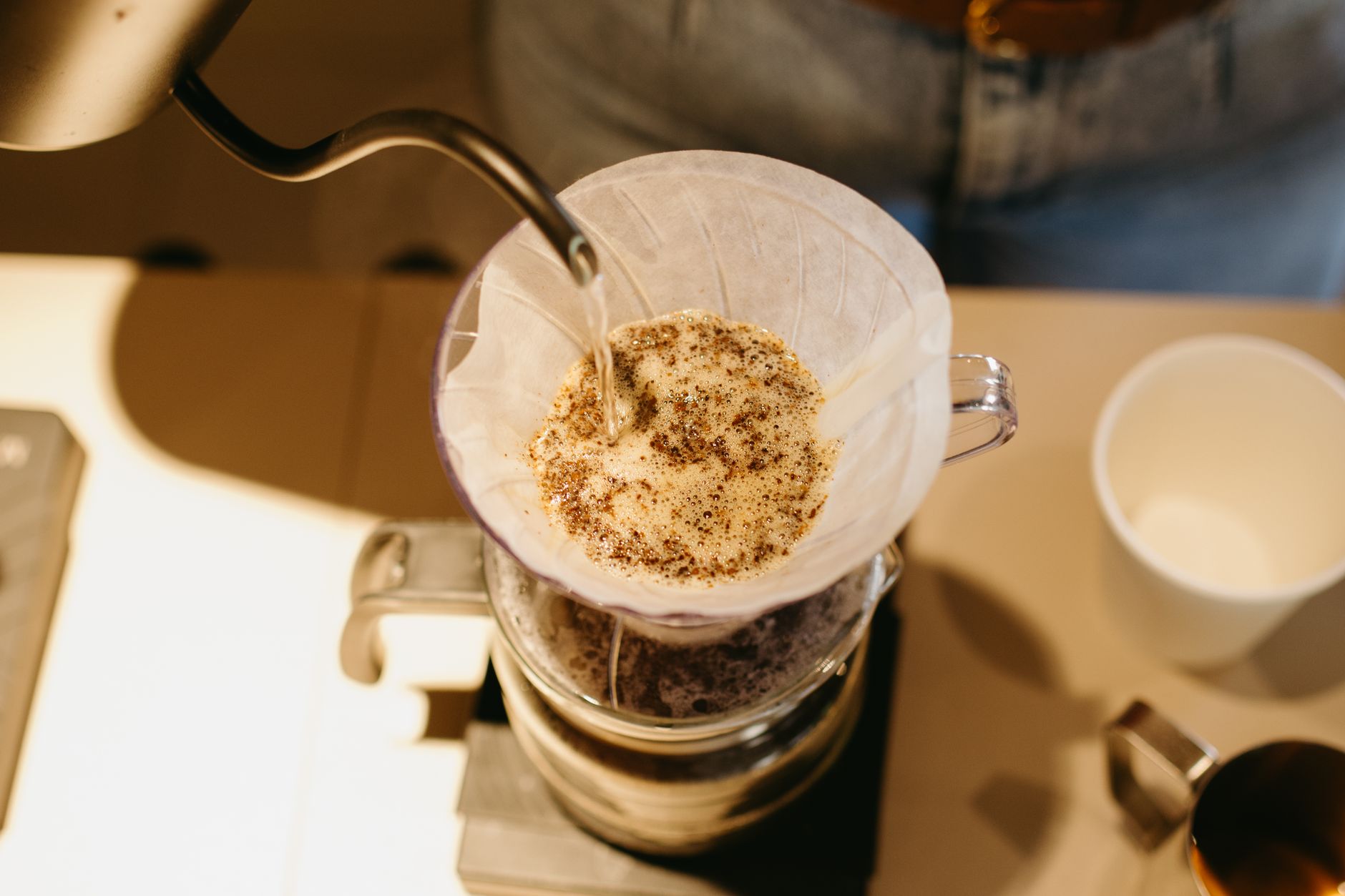
At the retail level, the boom in specialty coffee is driving rapid technological adoption across commercial espresso machinery and manual brewing apparatus. Modern cafes are investing in gravimetric espresso machines that adjust water flow based on real-time extraction weights, ensuring consistency across hundreds of daily orders. Simultaneously, automated pour-over stations are allowing high-volume venues to offer single-origin hand brews without sacrificing speed of service or labor efficiency.
This technological evolution extends to water chemistry and grinding precision, which operators now recognize as critical variables in flavor extraction. Commercial roasters are deploying specialized water filtration systems that tune mineral content to complement specific roast profiles, while flat-burr grinders with micro-metric adjustments minimize heat generation during high-volume periods. Retail operators report that these technical refinements are vital for justifying the higher price point of specialty beverages to an increasingly sophisticated clientele.
CONSUMER DEMOGRAPHICS AND VALUE PROPOSITION
The demographic driving this movement consists primarily of younger, high-income urban consumers who view daily coffee consumption as a affordable luxury and lifestyle marker. Market data indicates that these buyers are markedly less price-sensitive when purchasing specialty single-origins compared to standard grocery store roasts. They are willing to pay a premium for beans that carry verified direct-trade credentials, organic certifications, or distinct regional terroir claims.
This shift in consumer behavior is creating a halo effect across the broader food service landscape, prompting non-specialty venues such as upscale hotels and fine-dining restaurants to upgrade their beverage programs. Establishments that previously relied on basic commercial drip systems are now partnering with boutique roasters to curate custom coffee menus. In many cases, these curated coffee offerings serve as the final touchpoint of an expensive meal, reinforcing the establishment's commitment to culinary quality.
For commercial roasters, navigating the specialty shift presents both significant margin opportunities and complex inventory management challenges. Sourcing high-scoring micro-lots requires roasters to build direct relationships with producers, often committing to green coffee purchases months before harvest. This direct-trade model can lock up operating capital and expose roasters to agricultural risks, such as yield reductions caused by unseasonal rainfall or plant diseases like coffee leaf rust.
Despite these operational risks, the economics of specialty roasting remain compelling due to higher retail markups and stronger brand loyalty. Roasters who successfully communicate the unique story and flavor metrics of their beans can command retail prices exceeding thirty dollars per pound. Furthermore, the growth of subscription-based direct-to-consumer models provides roasters with predictable recurring revenue, smoothing out the seasonal cash flow volatility historically associated with the coffee trade.
As a consumer or business operator, the rise of specialty coffee signals a permanent shift in how caffeinated beverages are valued, priced, and consumed. Individual coffee drinkers can expect broader access to high-scoring single-origin beans, accompanied by greater transparency regarding where their coffee was grown and how it was processed. This means your daily cup is increasingly treated like fine wine, where origin, harvest year, and processing technique directly dictate the sensory experience.
For restaurant and cafe owners, integrating specialty coffee into your operational model is fast becoming a competitive necessity rather than an optional upgrade. Investing in proper staff training, precise grinding equipment, and high-quality beans allows operators to capture higher profit margins while raising the perceived value of their overall service. In an industry where guest expectations are constantly rising, offering a superior coffee experience provides a cost-effective strategy for building long-term customer loyalty.
Sources and methodology
Reported from the public datasets below.
More from the Foodie Pundit Newsroom
- Artisan Bakery Chains Restructure Footprints as Operating Costs Surge
- Lamination Thermodynamics Demystified as Pastry Experts Reveal the Mechanics of Perfect Croissants
- Viral Two-Ingredient Dessert Trend Highlights Consumer Demand for Low-Cost Indulgence
- Raleigh Embraces All-Day Hospitality Model With New Central Gathering Spot
- Target and Walmart Are Rewiring App Grocery Deals to Snag Gen Z