Lamination Thermodynamics Demystified as Pastry Experts Reveal the Mechanics of Perfect Croissants
Professional pastry chefs reveal the precise thermal management and gluten control strategies needed to achieve commercial-grade laminated pastries at home.
By Foodie Pundit Newsroom - Published - Updated - Section: Desserts Snacks
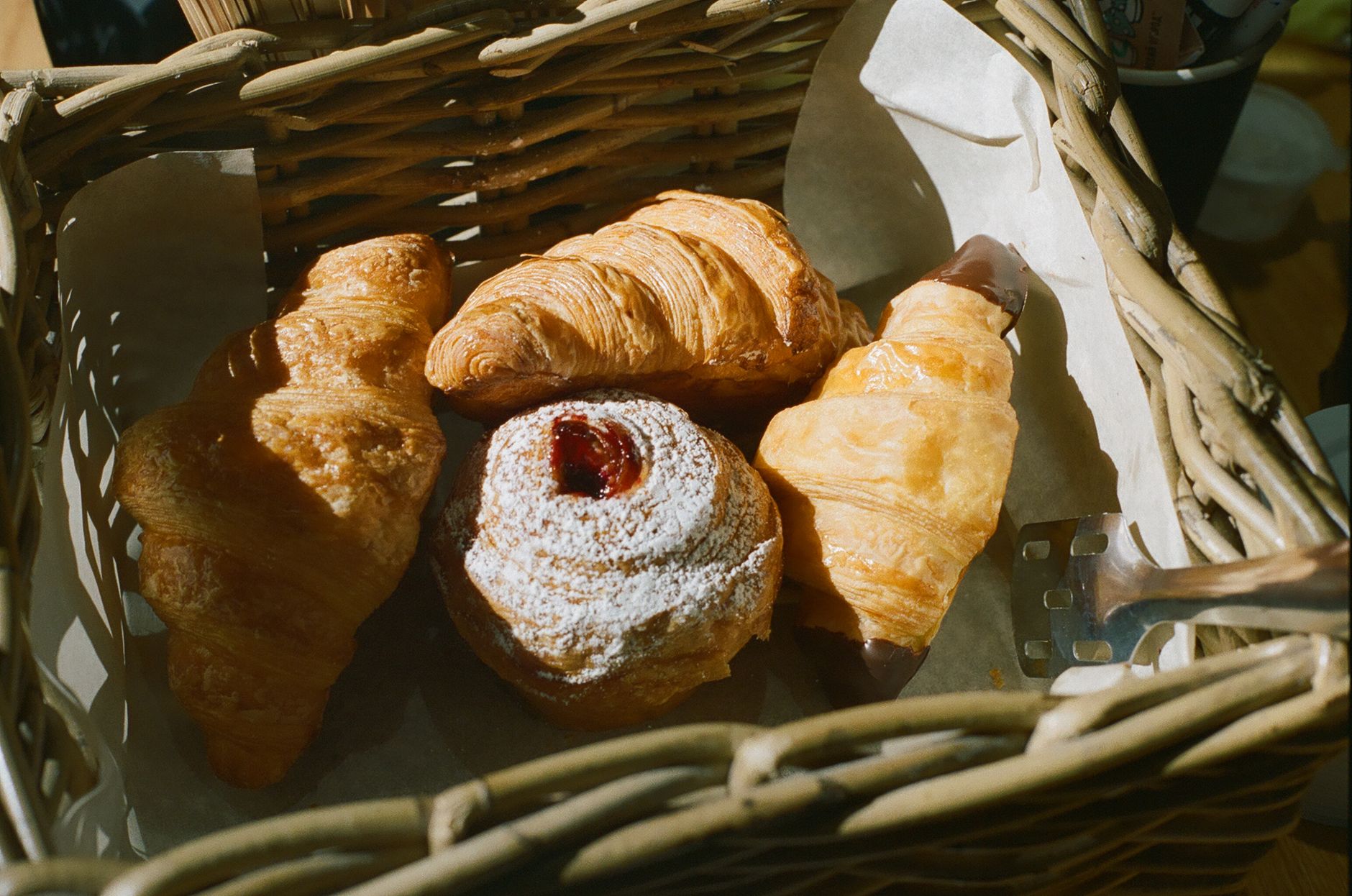
Key points
- High-butterfat European style butter is mandatory to prevent structural tears during folding.
- Precision temperature management prevents butter from melting into the flour matrix prior to baking.
- Digital weighing of ingredients ensures consistent hydration rates necessary for proper gluten elasticity.
- Simulated home proofing chambers can match commercial climate controls using simple warm water setups.
The pursuit of the ultimate homemade croissant has shifted from a niche hobby into a mainstream culinary ambition. Commercial bakeries have long guarded the precise thermodynamics and mechanical processes required to create thousands of microscopic layers of dough and fat. However, recent insights shared by professional pastry chefs, highlighted in reporting by the Evening Standard, are demystifying the complex physics behind lamination for home kitchens.
Understanding the mechanics of lamination allows home cooks to replicate professional results without expensive industrial equipment. The traditional croissant relies on a laminated yeast dough where butter and flour layers are systematically folded to create a delicate web. When heated, the moisture within the butter evaporates, producing steam that expands the surrounding dough layers while the fat cooks the pastry from within.
TEMPERATURE CONTROL AND THE SCIENCE OF FAT
The primary obstacle for non-professional bakers is maintaining strict temperature boundaries throughout the rolling and folding process. Industry professionals emphasize that European-style butter, which typically contains a higher butterfat content of at least eighty-two percent, is essential for structural integrity. Lower-fat commodity domestic butter contains excess water, which leads to premature melting and torn dough during the lamination phase.
The ambient room temperature plays a crucial role in preventing fat leakage or dough absorption. Professional kitchens often utilize refrigerated marble surfaces to keep the dough below sixty-five degrees Fahrenheit during handling. Home bakers can achieve similar thermal stability by chilling their rolling pins, using ice packs beneath work surfaces, or extending rest periods in domestic refrigerators between structural folds.
Gluten network development requires careful calibration during the preliminary mixing phase before any fat is incorporated. Over-kneading the base dough creates a matrix that is too elastic, causing the dough to snap back during rolling and tearing the butter block. Conversely, under-developed gluten lacks the mechanical strength required to trap expanding steam, resulting in dense, bread-like interiors rather than open honeycomb structures.
Hydration levels must be precisely measured using weight rather than volumetric cups to ensure consistency across variable domestic kitchen conditions. Flour absorbs moisture differently based on ambient humidity and storage length, making digital kitchen scales non-negotiable for serious bakers. Professional formulations typically target a dough hydration level between forty-eight and fifty-two percent to balance pliability with structural strength.
PROOFING ENVIRONMENT AND OVEN THERMODYNAMICS
The proofing stage represents the final vulnerable window before the pastry enters the heat of the oven. Over-proofing causes the yeast to exhaust its sugar supply, leading to a collapsed structural dome and flat layers. Under-proofing results in a tight crumb and excessive butter leakage onto the baking tray, as the fat melts faster than the yeast can expand the surrounding pockets.
Optimal proofing occurs at seventy-eight degrees Fahrenheit with seventy percent relative humidity, conditions that prevent the surface from drying out while keeping the internal butter layers solid. Home bakers can simulate these commercial proofing cabinets by placing the shaped croissants inside a turned-off oven alongside a bowl of steaming hot water. This creates an isolated microclimate that maintains moisture without melting the embedded butter layers.
Oven calibration is equally critical during the final baking transformation to ensure proper spring and coloration. Radiant heat must hit the exterior quickly to vaporize the moisture in the butter layers before the fat fully liquefies and runs off. A hot initial burst of heat sets the external structure, while a subsequent reduction in temperature allows the internal layers to cook thoroughly without burning the delicate exterior glaze.
The labor intensity and failure rates associated with laminated pastries explain why artisanal bakeries price single croissants at premium rates. Each unit represents up to three days of temperature monitoring, active folding labor, and high-cost ingredients like specialized cultured butter. As consumers gain first-hand experience with these technical challenges at home, respect for commercial bakery pricing structures tends to increase significantly.
Retail bakery margins rely on high volume to offset the overhead costs of specialized deck ovens, sheeters, and climate-controlled rooms. When domestic bakers attempt the process, they quickly realize that the retail cost of a premium croissant reflects not just raw ingredients, but hours of precise thermal management. This structural appreciation is driving stronger consumer loyalty toward independent neighborhood bakeries that maintain traditional production methods.
Home bakers seeking professional results must shift their mindset from general cooking to precision food science. Investing in a digital gram scale and a reliable oven thermometer yields far greater improvements in pastry quality than purchasing expensive pans or specialized flours. By controlling ambient kitchen temperatures and allowing extended chill times between folds, you can eliminate the frustration of greasy or flat pastries.
For everyday consumers, understanding the intricate multi-day process required for proper lamination provides valuable context on restaurant menu pricing. Choosing to buy from bakeries that utilize high-butterfat regional ingredients directly supports traditional craft preservation in an increasingly automated food supply chain. Whether you choose to master the technique at home or support local artisans, respecting the underlying thermodynamics elevates the entire dining experience.
Sources and methodology
Reported from the public datasets below.
More from the Foodie Pundit Newsroom
- Viral Two-Ingredient Dessert Trend Highlights Consumer Demand for Low-Cost Indulgence
- Raleigh Embraces All-Day Hospitality Model With New Central Gathering Spot
- Target and Walmart Are Rewiring App Grocery Deals to Snag Gen Z
- Whole Foods Private Label Brands and Prepared Meals Drive Strong Growth as Shopper Habits Shift
- Beyond Whole Paycheck How Store Brands and Prepared Meals Are Reshaping Whole Foods